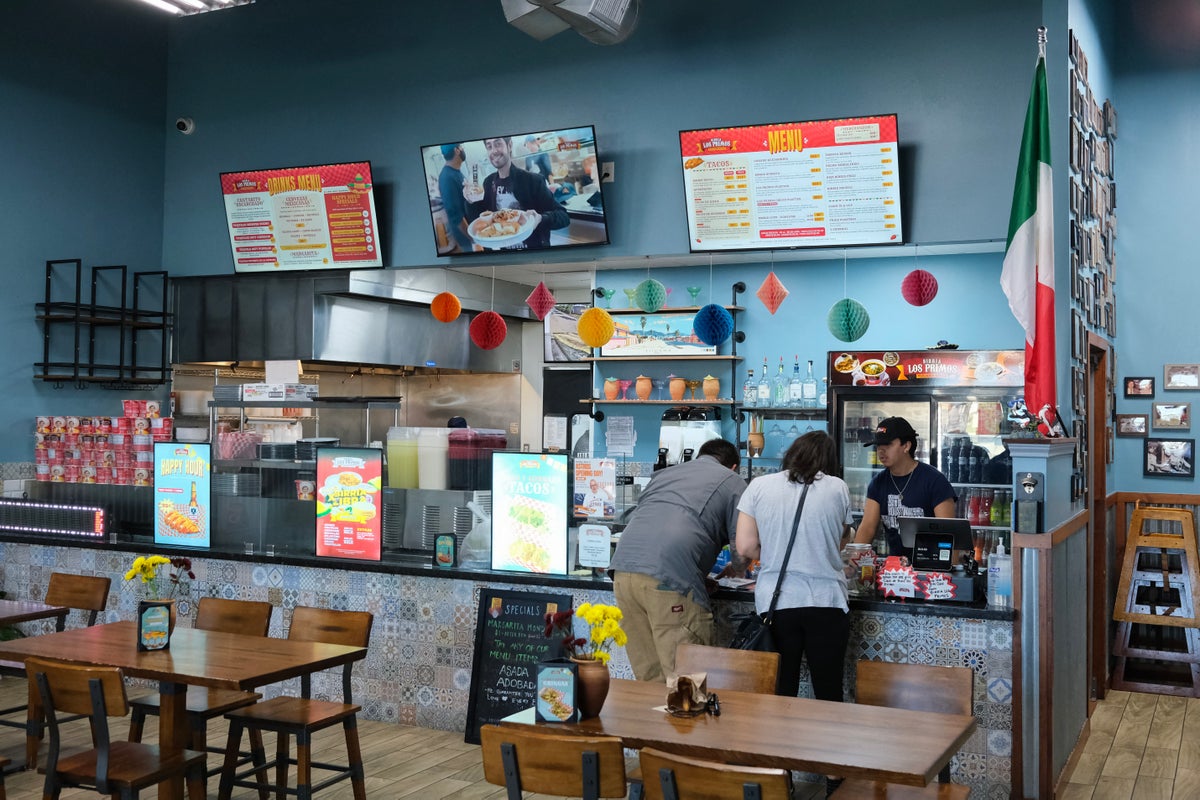
American restaurants are screaming for help because their back-of-house staff is vanishing into a legal vacuum. For years, the industry relied on a quiet status quo that kept the lights on and the plates full. Now, a massive surge in deportations and stricter enforcement is ripping that foundation apart. It isn’t just about politics anymore. It’s about whether your favorite neighborhood bistro can stay open past 8:00 PM.
Owners are tired of the silence from Washington. They're begging lawmakers to step in because the math simply doesn't work. When you lose a line cook who’s been with you for a decade, you don't just lose an employee. You lose the person who knows the prep schedule, the secret to the house sauce, and the rhythm of a Friday night rush. Replacing that expertise is nearly impossible in a labor market that’s already bone-dry.
Why the Current Crackdown Hits Your Local Diner First
The hospitality sector has always been the primary entry point for immigrant labor. Whether documented or not, these workers do the heavy lifting that keeps the American economy moving. But the shift in enforcement isn't just targeting high-profile cases. It’s hitting the dishwashers in Ohio, the prep cooks in Texas, and the servers in Florida.
Data from the National Restaurant Association shows that the industry is still short hundreds of thousands of workers compared to pre-pandemic levels. When you add aggressive deportation cycles to this shortage, you get a recipe for total collapse. Smaller mom-and-pop shops are the hardest hit. They don't have the legal teams or the HR departments to navigate complex visa sponsorship programs. They just have a "Closed" sign they're forced to hang on the door because nobody showed up to prep the morning delivery.
Most people don't realize how precarious the margins are in food service. A typical restaurant might make five cents of profit on every dollar. If labor costs spike because they have to bid against every other business for a tiny pool of available workers, that profit vanishes. Or, worse, the quality drops so far that customers stop coming. We're seeing it happen in real-time.
The Myth of the Replaced American Worker
There's this common argument that if you just pay enough, local workers will fill these roles. It's a nice theory. In reality, it's a fantasy. Even with wages rising significantly over the last few years, the interest in grueling, hot, fast-paced kitchen work remains low among the native-born population.
I’ve talked to owners who offered $25 an hour for dishwashing positions and still couldn't get a single local applicant to stay past the first week. It’s physical work. It’s demanding. The immigrant workforce has historically been the backbone of this labor pool because they are often the only ones willing to do the job with the consistency required to keep a business alive.
When workers are deported, they aren't replaced by eager teenagers or career changers. The station just stays empty. This forces the remaining staff to work double shifts. Burnout sets in. Then the remaining staff quits. It’s a domino effect that ends with a boarded-up storefront in your downtown district.
The Visa Bottleneck is Killing Growth
The H-2B visa program is supposed to help, but it’s a bureaucratic nightmare. There’s a cap on how many people can come in, and that cap is usually hit within days of opening. Restaurants are competing for these spots against construction companies and landscaping firms. It’s a lottery where the prize is the right to pay taxes and work hard.
Lawmakers have been sitting on their hands for decades regarding immigration reform. They use it as a campaign talking point while the people actually running the economy suffer the consequences. Restaurant groups are now demanding a specific "W" visa or a similar category for essential service workers. They want a legal way to keep the people who are already here and working.
The Economic Ripples Beyond the Kitchen
Think about the supply chain. If restaurants close, the local farmers lose their biggest buyers. The linen companies lose their contracts. The delivery drivers have fewer stops. This isn't just a "restaurant problem." It’s an economic contagion.
We see the impact in cities where enforcement is highest. Prices on menus aren't just going up because of inflation; they're going up because of the sheer cost of instability. If a chef doesn't know if their team will be there tomorrow morning, they can't plan a menu. They can't invest in new equipment. They just survive.
- Labor Scarcity: Restaurants are operating at 80% capacity because they lack staff.
- Wage Pressure: Smaller establishments are being priced out by corporate chains.
- Loss of Knowledge: Decades of culinary tradition are being lost as experienced workers are removed.
- Economic Leakage: Taxes that were being paid into the system are disappearing.
Practical Steps for Restaurant Survival
If you’re an owner or a manager, you can’t wait for a miracle in the Senate. You have to act now to protect your business and your people.
First, get your paperwork in order. Audit your I-9s and ensure you’re as compliant as possible. If an audit happens, you don't want to be caught off guard. Look into the "Fair Workweek" ordinances in your city, as these can provide some protections for your scheduling.
Second, join an advocacy group. The National Restaurant Association and various state-level organizations are the only ones with the lobbying power to make lawmakers listen. They need your data. They need your stories. Tell them exactly how much revenue you lost last month because you didn't have enough staff.
Third, rethink your business model. If the labor isn't coming back, you have to find ways to do more with less. This might mean smaller menus, counter service instead of table service, or investing in tech that handles the mundane tasks. It’s not ideal, but it’s better than closing.
Stop assuming the "way things were" will return. The political climate has shifted, and the labor pool has shrunk permanently. Your only choice is to adapt or get out of the way. If you want to keep your doors open, start by being vocal. Call your representatives. Support legal pathways for your workers. Don't wait until your head chef is gone to care about immigration policy. The bill is already on the table, and it's time to pay up.