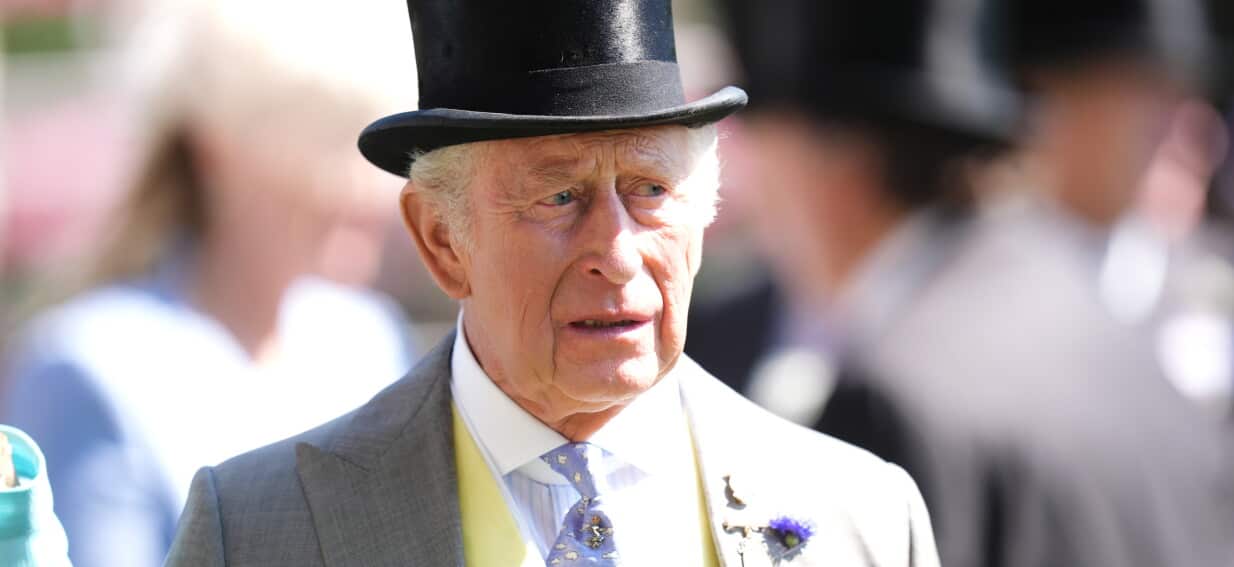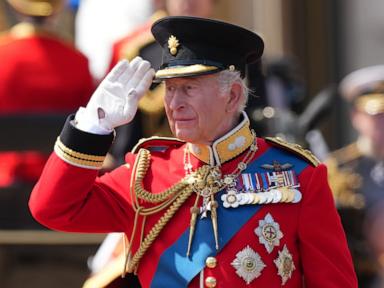
Buckingham Palace wants credit for a revolution that hasn't actually happened. Yesterday's announcement that King Charles III disclosed his personal tax bill marks the first time a reigning British monarch has handed over hard numbers regarding their private contributions to the public purse. He paid £12.9 million in income and capital gains tax for the 2024-25 financial year, following an £11.7 million payment the year before. His son, Prince William, chipped in £7.76 million.
It looks like a masterclass in modern corporate transparency. Don't be fooled.
When you peer beneath the surface of these multi-million-pound figures, the transparency starts to look more like a strategic curtain drop. The palace released the raw tax figures but completely omitted the actual income, deductions, and asset valuations behind them. This isn't full disclosure. It is financial storytelling.
The Illusion of Royal Financial Openness
The timing of this financial drop isn't accidental. The royal family has spent months dodging uncomfortable questions about property portfolios and family expenses. Critics have grown louder, and public support among younger Britons is wavering. Disclosing a massive £12.9 million tax bill shifts the narrative immediately. It makes the monarch look like a civic-minded participant in the state rather than a subsidized figurehead.
But there is a massive catch.
British monarchs are completely exempt from tax by law under the ancient Crown Exemption rule. Every penny King Charles III pays is entirely voluntary. Queen Victoria started the trend of volunteering some tax payments back in 1842, and Queen Elizabeth II formalized the arrangement for private income in 1993 following intense public anger over the costs of repairing a fire-ravaged Windsor Castle.
By continuing this tradition with public numbers, Charles is trying to show he pays into the system. What the public doesn't get to see is the math. Without knowing the exact total income or what deductions were claimed for "official expenses," independent accountants can't verify whether that £12.9 million represents a fair share or a massive discount.
What the Numbers Actually Hide
The money Charles pays tax on comes primarily from the Duchy of Lancaster. This massive portfolio of land, commercial property, and agricultural holdings across England and Wales exists solely to provide the sovereign with an independent income stream, historically known as the Privy Purse. The Duchy brought in £25.2 million in profits recently.
The king pays tax only on the surplus that remains after deducting official expenses. What constitutes an official expense? That is decided behind closed palace doors. Millions of pounds spent funding non-working royals or maintaining private staff can easily slide into that tax-exempt column, entirely hidden from public view.
Furthermore, the king's vast personal wealth, which independent audits estimate at roughly £1.8 billion, remains completely private. His investment portfolios, private savings, and inherited treasures like rare stamp collections and historic artworks do not face the same public accounting standards as a typical UK business.
The Sovereign Grant Side Show
While the headlines focus on the king's voluntary multi-million-pound tax payment, the amount of money flowing in the opposite direction is skyrocketing. The taxpayer-funded Sovereign Grant, which covers official royal duties and palace upkeep, is scheduled to jump significantly. Core funding will hit £99.9 million for the 2027-28 period, up drastically from £51.8 million in recent years.
This funding surge is tied to a formula based on the profits of the Crown Estate, a multi-billion-pound property empire that recently struck gold with lucrative offshore wind farm deals. Palace officials argue that the temporary spike is necessary to finish the massive £369 million, ten-year renovation of Buckingham Palace. Ironically, reports also revealed that the King and Queen do not even plan to make Buckingham Palace their personal residence once the taxpayer-funded refit is complete, preferring to use it purely as a ceremonial hub and workspace.
This massive influx of public money makes the voluntary tax payment look tiny by comparison. Activists and critical lawmakers have rightly pointed out that shouting about a £12.9 million tax bill works brilliantly as a diversion from the hundreds of millions flowing out of public coffers to support the broader royal infrastructure.
Real Transparency Needs Real Data
True accountability requires a level of disclosure that matches the modern financial world. If the palace genuinely wants to clear the fog surrounding royal finances, they need to stop treating tax disclosures like a PR exercise.
A voluntary lump-sum figure doesn't cut it anymore. A modern institution should publish fully audited accounts for its private estates, just like any major corporation or high-net-worth individual under standard regulatory scrutiny. Until the public can see the gross income, detailed deduction breakdowns, and concrete asset valuations, these historic announcements remain nothing more than well-managed publicity.
If you want to track where the money actually goes, keep your eyes on the rising Sovereign Grant allocations and the opaque boundaries of the Duchy estates, not the single-line tax figures meant to keep critics at bay.