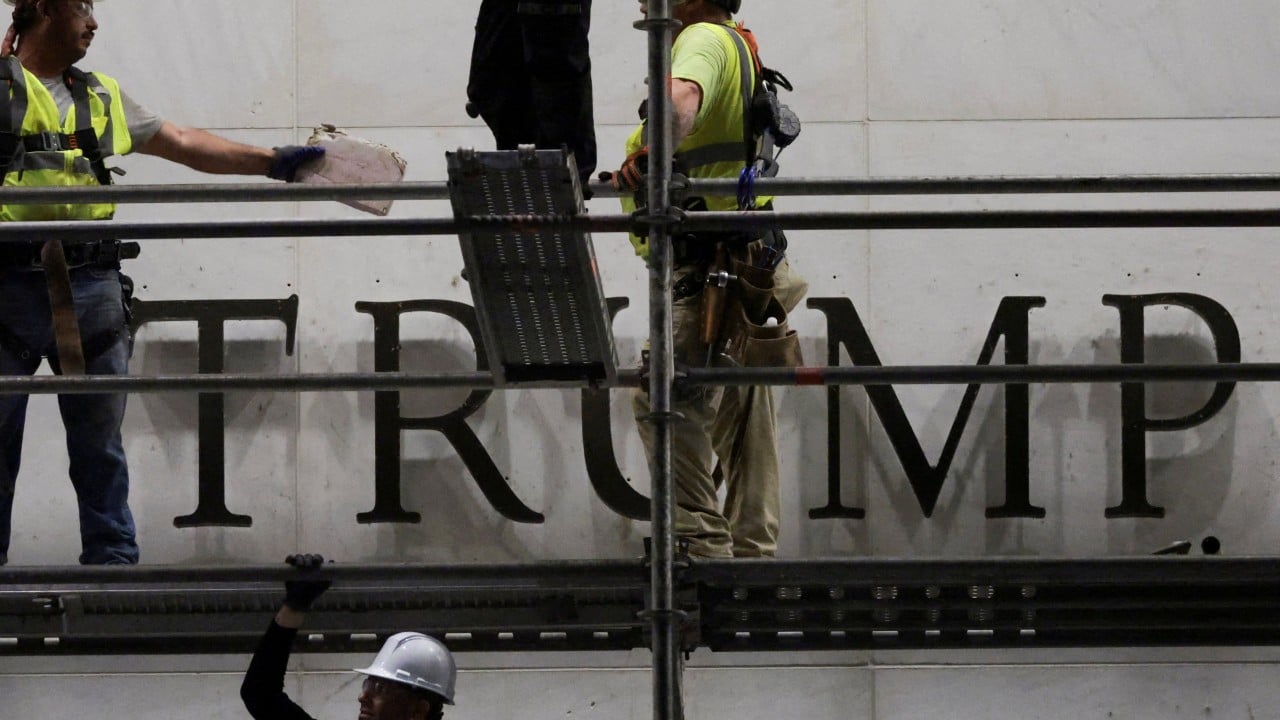
The ongoing clash over the John F. Kennedy Center for the Performing Arts has taken another sharp turn. When federal courts step in to block administrative overhauls, the fallout usually extends far beyond the courtroom walls. In this case, a high-stakes feud involving presidential naming rights, board control, and building closures has put one of America's premier cultural institutions right in the middle of a constitutional tug-of-war.
The Legal Limits of Presidential Renaming
Federal law established the Kennedy Center explicitly as a memorial to President John F. Kennedy. Because that designation is written into federal statute, lower-level boards do not possess the unilateral authority to alter it. When a Trump-aligned board voted to rebrand the venue and incorporate Donald Trump's name into the official title, legal challenges materialized almost immediately.
U.S. District Judge Christopher Cooper ruled squarely against the board's maneuvers, making it clear that altering a congressionally mandated memorial requires actual action from Congress.
- The Statute Barrier: The original legislation names the center for JFK alone.
- The Board Resolution: Trump-appointed trustees attempted to push through a renaming resolution.
- The Judicial Response: Courts repeatedly blocked the change, citing a clear lack of statutory authority.
Behind the Closure Threats
Following judicial blocks on the name change, the conflict escalated when the board voted to shut down operations at the facility. Proponents of the closure pointed to severe structural wear and the necessity of extensive renovations. Critics and legal challengers, however, argued that the sudden shutdown vote was a retaliatory move or a pressure tactic tied directly to the stalled rebranding efforts.
Artists and performers have watched the chaos unfold with mounting frustration. Several high-profile acts canceled scheduled appearances, and ticket sales took a noticeable hit amid the negative publicity. Cultural institutions rely heavily on public trust and steady attendance; turning a national arts center into a partisan battleground creates an environment where audiences and performers simply stay away.
What Happens to the Building Now
Administrators and legal teams are trapped in a loop of appeals and injunctions. While routine maintenance and safety upgrades remain permissible under judicial oversight, politically charged alterations and sweeping shutdowns face strict judicial roadblocks. Congress holds the ultimate key to whether any dual-naming or structural compromise will ever legally take shape. Until lawmakers take up the issue, the name on the facade stays put, and the legal battles will keep moving through the federal appellate system.
Kennedy Center board votes to close after judge again blocks efforts to add Trump name to it
This video details the board's vote to close the facility and the surrounding legal conflict over the blocked name change.


