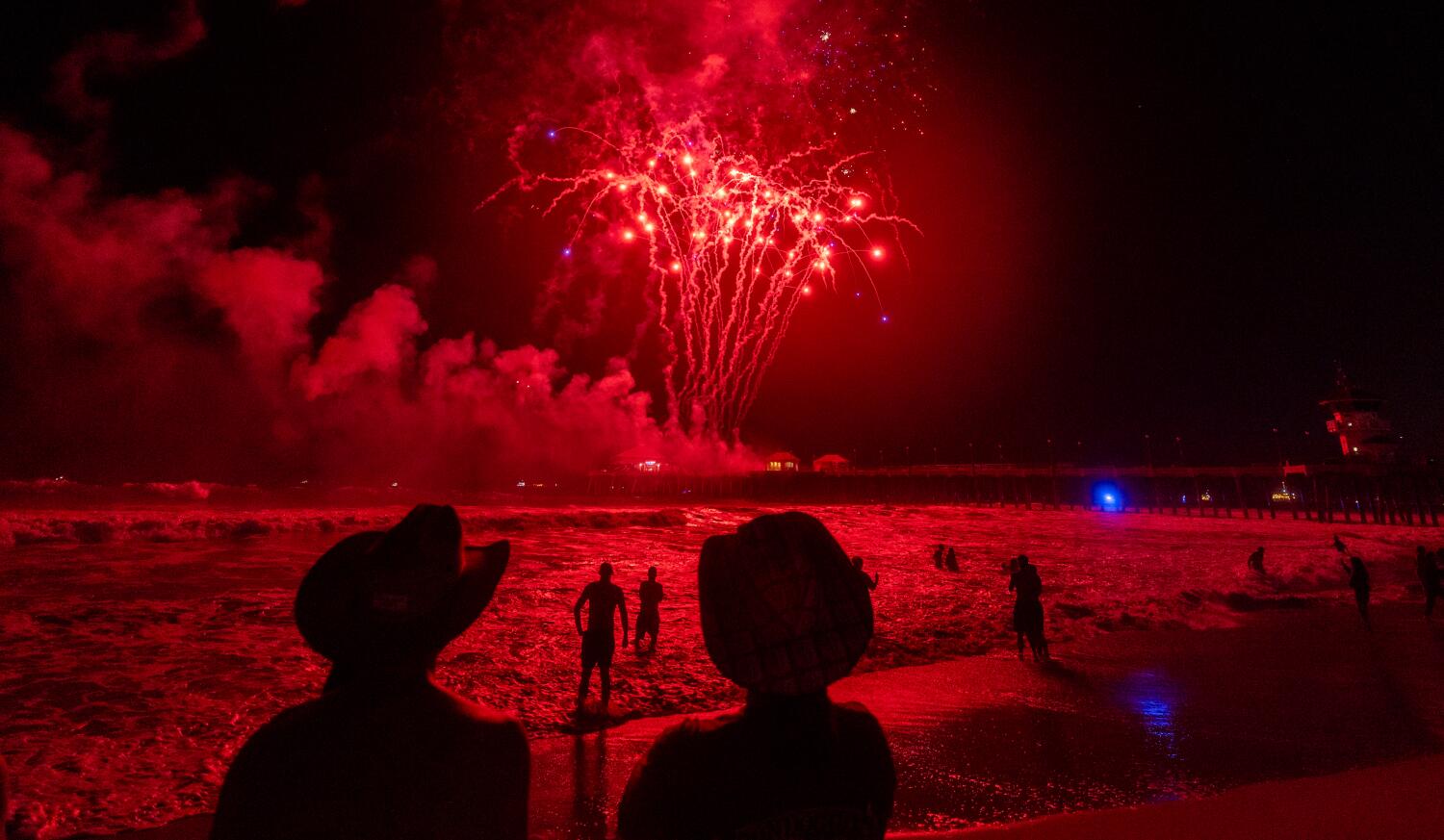
You step outside on the night of Independence Day, expecting the smell of summer barbecue. Instead, your throat stings. A thick, metallic haze hangs over the neighborhood, trapping the streetlights in a surreal glow. This isn't just campfire smoke. It's a concentrated blanket of fine particulate matter, heavy metals, and toxic gases.
Every single summer, July Fourth fireworks trigger some of the worst air pollution spikes of the year across Southern California. The South Coast Air Quality Management District regularly issues severe air quality advisories during this holiday, warning residents that the air they breathe can plunge into the "hazardous" category within hours. If you think this only affects people with asthma, you're mistaken. The tiny particles floating in that festive smoke can bypass your body's natural filters, entering your bloodstream and impacting your heart and lungs.
Understanding the real cost of this annual tradition helps you protect your family. You don't have to lock yourself in a windowless room all weekend, but you absolutely need a game plan to navigate the heavy pollution coming your way.
The harsh truth about July Fourth fireworks and your lungs
When a firework explodes, it doesn't just vanish into the night sky. It transforms into millions of microscopic particles known as PM2.5. These particles are smaller than 2.5 micrometers in diameter. That is roughly thirty times smaller than a human hair. Because they're so incredibly small, they don't get trapped in your nose or throat. They travel deep into your lungs, lodging themselves in the tiny air sacs where oxygen enters your blood.
The smoke from these displays isn't just carbon. To create those brilliant blues, vibrant greens, and flashing red sparks, manufacturers pack fireworks with heavy metals and chemical compounds.
- Strontium creates the deep reds.
- Barium produces the bright greens.
- Copper compounds make the vibrant blues.
- Potassium perchlorate acts as the oxidizer to lift the shell.
When these burn, they release a toxic cocktail into the air. Data from historical air monitoring stations in the Los Angeles basin shows that PM2.5 levels can skyrocket to several times above federal health standards on the night of July 4th and the morning of July 5th. In some neighborhoods, the air quality index reaches levels usually reserved for active, major wildfires.
Why Southern California traps fireworks smoke so perfectly
Southern California has a geographic problem that makes fireworks pollution significantly worse than in other parts of the country. The region sits in a massive basin, ringed by mountains on three sides with the Pacific Ocean on the other. This creates a natural trap for air pollution.
During the summer, an atmospheric phenomenon called an inversion layer settles over the coast and inland valleys. Normally, warm air near the ground rises into the cooler upper atmosphere, carrying pollutants away with it. An inversion layer flips this dynamic. A layer of warm air sits on top of cooler, marine air trapped near the ground. It acts exactly like a giant lid on a pot.
When thousands of professional displays and millions of illegal backyard fireworks go off simultaneously, that smoke has nowhere to go. The inversion layer presses it down against the ground. The gentle nighttime sea breezes usually die down after sunset, meaning the stagnant, toxic air just sits there. It lingers over neighborhoods from Long Beach to San Bernardino for hours, often bleeding well into July 5th.
The immediate health risks you cannot ignore
Breathing this air isn't just unpleasant. It actively strains your cardiovascular and respiratory systems. For individuals with pre-existing conditions like chronic obstructive pulmonary disease or asthma, the night can turn dangerous quickly. Emergency room visits for respiratory issues consistently spike across Los Angeles, Orange, and Riverside counties following the holiday.
Healthy adults aren't immune either. Short-term exposure to high levels of PM2.5 causes immediate symptoms that many people mistake for simple fatigue or summer allergies. You might experience a scratchy throat, persistent coughing, stinging eyes, and shortness of breath. Your body works harder to pump oxygen, which elevates your heart rate and raises blood pressure.
Children and the elderly face the highest risk. Kids breathe faster than adults relative to their body weight, meaning they inhale a larger dose of pollutants per minute. Older adults often have underlying, undetected cardiovascular vulnerabilities that can be aggravated by a sudden drop in air quality.
How to protect your family without missing the summer fun
You can still enjoy the holiday weekend without sacrificing your lung health. It just requires some strategic adjustments to your routine.
First, check the localized air quality forecasting tools before the sun goes down. The South Coast AQMD provides real-time maps that show exactly how the air is shifting in your specific zip code. If the map starts turning purple or maroon, it's time to head indoors.
Keep your windows and doors firmly shut starting in the late afternoon. Run your air conditioning unit on the "recirculate" setting rather than pulling in fresh, smoky air from the outside. If you own a standalone air purifier with a high-efficiency particulate air filter, move it into the main living space during the evening, then shift it into your bedroom before you go to sleep.
If you plan to watch a professional show in person, consider wearing a well-fitted respirator mask, such as an N95 or a KN95. Standard cloth masks or surgical masks do almost nothing to block the tiny PM2.5 particles found in fireworks smoke. The respirator provides a physical barrier that keeps the heavy metals out of your respiratory tract.
Better ways to celebrate the holiday in Southern California
We are seeing a major shift in how cities approach summer celebrations. Drone light shows are rapidly gaining popularity as a clean, spectacular alternative to traditional pyrotechnics. Dozens of communities across California now use synchronized, LED-equipped drones to create massive, moving art installations in the sky. They offer incredible visuals without a single ounce of smoke or toxic metal fallout.
Laser light shows represent another excellent alternative that preserves the communal gathering aspect of the holiday without ruining the air quality for the next 24 hours. Supporting these modern alternatives helps push local municipalities toward cleaner traditions that protect public health.
If you do choose to celebrate at home, ditch the illegal personal fireworks. Beyond the massive fire hazard they pose to our dry hillsides, they explode right at ground level, directly in your face and your neighbors' yards. Stick to organized public events where the smoke is generated higher in the atmosphere, or better yet, opt for light-based technology that keeps the air clear for everyone.
Take action before the first match is struck. Seal your home, set up your air filtration systems early, and stay informed about the air moving through your neighborhood. Your lungs will thank you on July 5th.