The Malibu Myth Everyone Keeps Buying
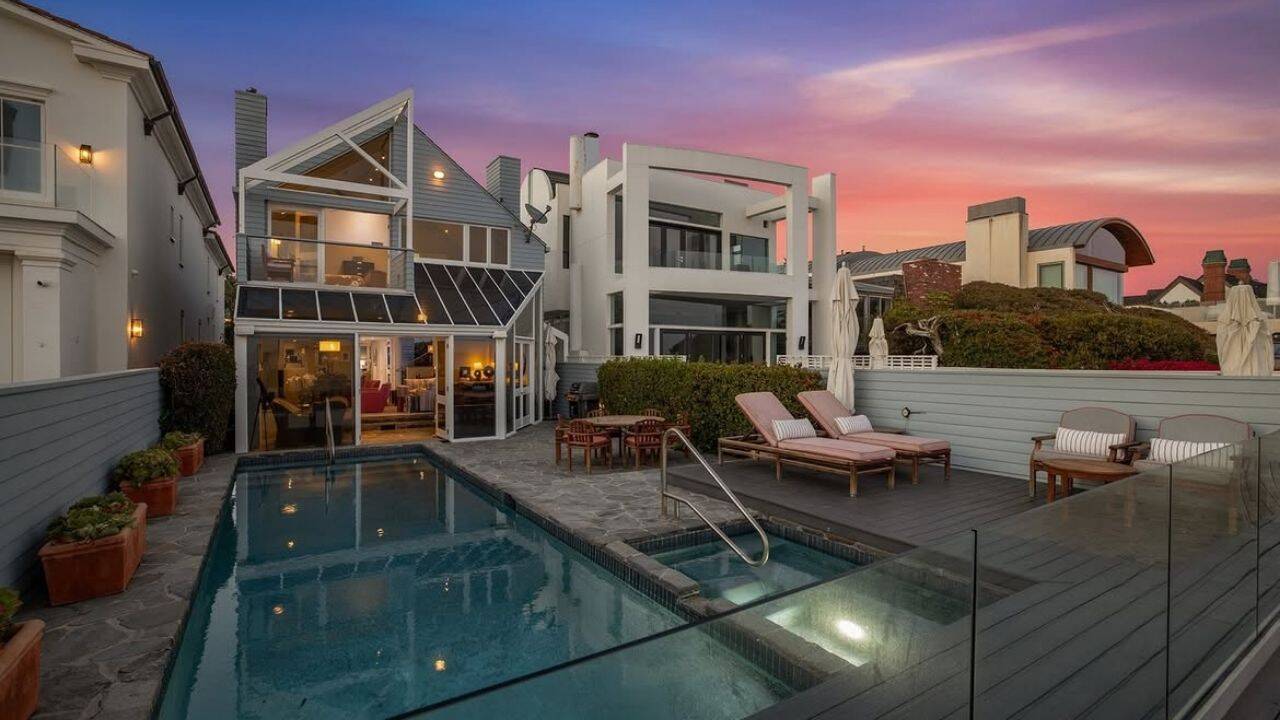
Every time a famous property hits the market, real estate journalism drops into a collective trance. The narrative writes itself. A celebrity owned it. An era died with them. The architecture is irreplaceable. The current price tag of twenty-seven million dollars for Joni Mitchell’s former Malibu home on PCH is treated like holy scripture because of one specific feature: the beachfront pool.
The lazy consensus across every property blog and luxury outlet claims that you could never build that pool today. Environmental laws are too strict. The California Coastal Commission is too fierce. The zoning boards are too hostile.
They are wrong. Not because coastal regulations are a myth, but because they misunderstand the entire physics of modern luxury development.
I have watched developers flush tens of millions of dollars down the drain trying to replicate nostalgia while missing the structural reality of what beachfront property actually demands. You can build the pool. You can build a better one. What you cannot buy is the market amnesia required to think a twenty-seven-million-dollar price tag is anchored in architectural history rather than sheer zoning scarcity.
Let us dismantle the romance.
The Regulatory Bogeyman
The core argument of the architectural sentimentalist relies on the California Coastal Act of 1976. The assumption is that because the state created a massive bureaucratic firewall against shoreline development, anything sitting directly on the sand is a golden relic that can never be legally duplicated.
This is a fundamental misreading of how the Coastal Commission operates.
The commission does not outright ban pools on the sand because they hate water. They ban them because of bluff destabilization, public access infringement, and seawall failures. When Joni Mitchell’s former sanctuary was built, environmental engineering was a blunt instrument of concrete and wishful thinking. Today, engineering is surgical.
If you own a parcel with existing legal non-conforming structures, the path to a pool is not blocked by a permanent legal wall. It is blocked by capital, patience, and lawyers who understand how to trade mitigation credits, fund public beach access easements, and engineer subterranean cantilevered caissons that actually protect the shoreline better than a crumbling seventies retaining wall.
The reason developers do not build beachfront pools today is not because the state says no. It is because it costs four million dollars in soft costs and engineering fights just to get the permit approved, and modern developers prefer the low-hanging fruit of massive glass boxes set back fifty feet behind a bluff.
They want high margins, not high friction. Joni Mitchell’s pool is not a miracle of historical permission. It is a monument to an era when getting things done required less paperwork and worse environmental science.
The Economics of Celebrity Provenance
Let us address the elephant in the living room. The twenty-seven million dollar valuation does not come from the tilework in the swimming pool. It comes from the ghost of Joni Mitchell singing Blue in the living room.
Real estate brokerages love to weaponize star power. They attach a famous name to a deed and watch the valuation inflate by thirty percent, banking on the psychological weakness of tech founders and venture capitalists who want to buy an identity rather than a house.
Celebrity provenance is the most expensive decorative paint in the world. It peels off the moment the market turns downward.
I have seen estates tied to cultural icons sit on the market for eighteen months because the sellers priced the biography instead of the square footage. A pool right next to Pacific Coast Highway comes with a very specific, unromantic acoustic soundtrack: the relentless, roaring percussion of heavy traffic twenty-four hours a day.
Joni Mitchell could tune it out. You cannot.
When you pay twenty-seven million dollars for a cramped Malibu lot, you are buying a tiny footprint squeezed between a deafening highway and a hungry ocean. The pool is not an oasis of serene contemplation. It is a saltwater maintenance nightmare splashed by king tides and coated in road dust.
What Luxury Real Estate Gets Wrong About Scarcity
The real estate industry confuses scarcity with desirability.
Just because something is difficult to build today does not automatically mean it is worth owning tomorrow. The market treats the inability to replicate old designs as an inherent virtue. This is the same flawed logic that keeps people buying historic Victorians with knob-and-tube wiring and zero insulation.
Let us look at the actual math of a beachfront Malibu acquisition at this tier:
| Expense Category | Estimated Cost / Impact | Reality Check |
|---|---|---|
| Acquisition Price | $27,000,000 | Baseline entry fee before upgrades. |
| Saltwater & Wave Mitigation | $150,000 / year | Constant corrosion control on metal and glass. |
| PCH Noise Mitigation | Structural acoustic glazing | Necessary to block out continuous traffic. |
| Insurance Premiums | Exponentially rising | Wildfire and coastal erosion risk multiply yearly. |
When you examine these numbers, the romantic notion of owning a piece of music history dissolves into an exercise in asset management fatigue. The pool on the sand is an engineering relic of an unregulated past, wrapped in a marketing package designed to part liquid-rich buyers from their capital.
The Unspoken Liability of Shoreline Living
Nobody in the glossy brochure wants to talk about the sea level reality.
Properties sitting at this elevation on the Malibu coast are locked in a silent countdown against winter storm surges. A pool built right against the beach template is not an asset class; it is a vulnerability vector. When a major El Niño event rolls down the coast, those concrete basins become structural anchors that redirect wave energy directly into the foundation pilings of the main house.
The architecture of the nineteen-seventies was built with an arrogant disregard for dynamic coastal geomorphology. They poured concrete wherever they wanted and let nature deal with the consequences later. Today, dealing with those consequences means emergency riprap permits, millions in temporary sand berms, and insurance carriers fleeing the California zip code entirely.
To praise a beachfront pool for being "impossible to recreate" is to praise a car for having a carburetor that catches fire. It is an obsolete engineering standard kept alive by nostalgia and high-end brokerage spin.
Stop Buying the Legend
If you want a beachfront compound in Malibu, buy the land for the views, tear down the outdated seventies footprint, and engineer a modern, resilient fortress that respects the ocean instead of fighting it with cracked concrete and poetic press releases.
Joni Mitchell wrote masterpieces in that house because of what was inside her head, not because the pool chlorine was mixed with Pacific seawater.
The twenty-seven million dollar price tag is not a tribute to her genius. It is a tax on your gullibility.
The pool can be built. The traffic on PCH cannot be moved. And the market will eventually remember that history does not pay for coastal erosion repairs.