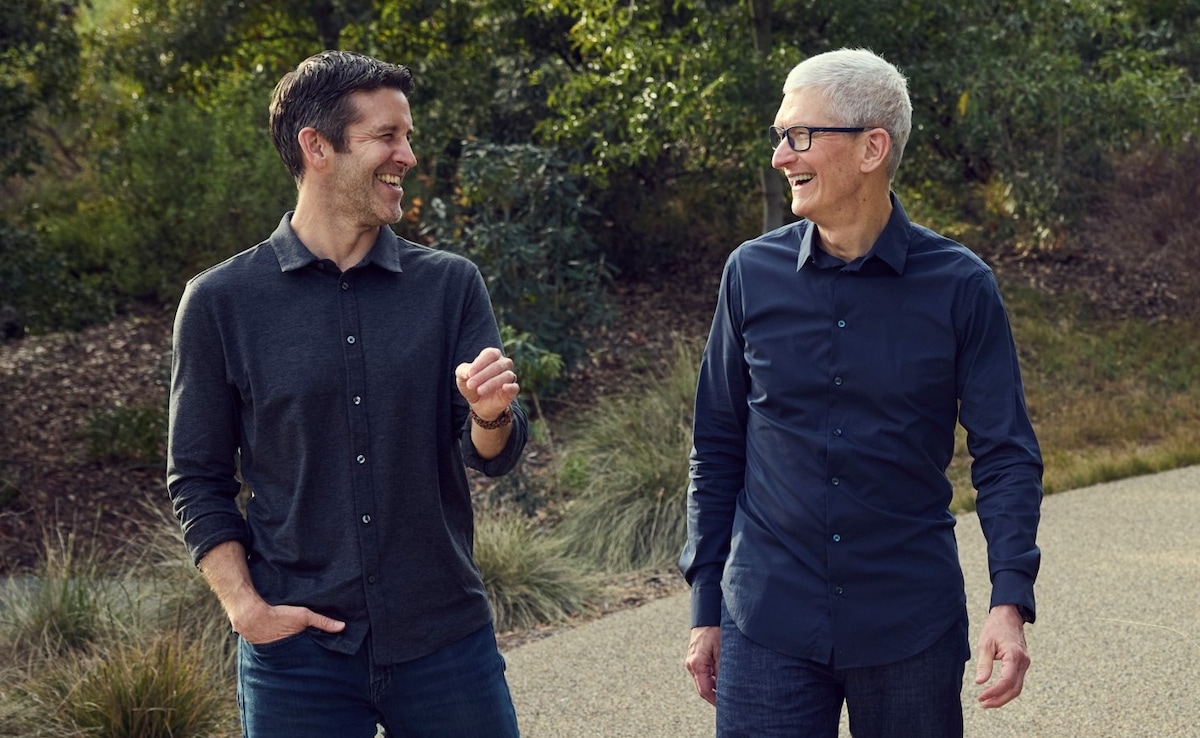
Tim Cook is finally stepping aside on September 1, 2026. After fifteen years of turning Apple into a $4 trillion logistical powerhouse, the man who mastered the supply chain is handing the keys to a 51-year-old mechanical engineer. If you’ve been following the rumors, John Ternus isn't just another suit. He’s the guy who has been quietly running the hardware side of things for years, and now he’s tasked with fixing the one thing Apple can’t seem to get right: AI.
The pressure is real. Google and Microsoft aren't just ahead; they're laps ahead. Apple Intelligence hasn’t exactly set the world on fire yet, and the "new Siri" has been delayed so many times it’s becoming a running joke in Silicon Valley. But Ternus isn't a marketer like Steve Jobs or an operations guru like Cook. He’s a product guy through and through. That might be exactly what Apple needs to bridge the gap between "cool tech demo" and "stuff people actually use."
The Hardware King Meets the Software Monster
John Ternus has spent 25 years at Apple. He didn't just show up for the meetings; he led the teams that built the iPad, the AirPods, and the transition to Apple Silicon. That last part is the most important bit of his resume. When Apple ditched Intel to make its own chips, Ternus was the one making sure the hardware didn't melt.
AI today isn't just about code. It’s about thermal limits, memory bandwidth, and on-device processing power. You can’t run a massive language model on a phone if the battery dies in twenty minutes. Ternus understands the physical limitations of these machines better than anyone else in the C-suite.
Why his engineering background actually matters
- Systemic Problem Solving: Insiders say Ternus doesn't hunt for scapegoats when a product fails. He looks at the system. In a company as siloed as Apple, that’s a massive shift.
- Silicon Integration: Since he worked closely with Johny Srouji on the M-series and A-series chips, he knows how to bake AI features directly into the silicon.
- Design and Function: He recently took over the design teams. Under Jony Ive, design was king, sometimes at the expense of reality. Ternus is bringing design back into the engineering fold. It’s about making things work, not just making them pretty.
Closing the Intelligence Gap
Let's be honest. Apple’s AI strategy has felt a bit desperate lately. They’re leaning on Anthropic and OpenAI because their own models aren't ready for prime time. But Ternus is already moving pieces on the board. He recently overhauled the hardware organization with a "new AI platform" aimed at speeding up product development. He’s not just trying to build a better chatbot; he’s trying to use AI to build better iPhones.
There’s a massive talent war happening. Meta and Google are poaching Apple engineers like it's an Olympic sport. Ternus has a reputation for being well-liked and "well-liked" counts for a lot when you're trying to stop a brain drain. He’s the kind of leader who works in open-office environments instead of hiding in a glass tower. That matters to the people actually writing the code.
The Siri problem remains the biggest test
If the 2026 Siri relaunch flops, the Ternus era starts with a limp. Investors are already grumpy that Apple’s stock is lagging behind Nvidia and Microsoft. They want to see a device that feels like the future, not just a thinner version of the phone we had in 2024. Ternus has to prove that his hardware-first mindset can handle a software-first world.
A New Culture in Cupertino
The "cutthroat" culture of the old hardware division is supposedly fading under Ternus. He’s been described as meticulous but judicious. Basically, he’s the "adult in the room" who actually knows how to use a screwdriver.
He’s already overseen products that account for 80% of Apple's revenue. He’s not a stranger to the stakes. But the shift from Senior VP to CEO is a different beast. He won't just be managing thermal envelopes; he’ll be managing global politics and antitrust lawsuits. Tim Cook is staying on as Executive Chairman to handle the government stuff, which lets Ternus focus on what he’s good at: the product.
What this means for your next iPhone
Don't expect radical changes overnight. Apple moves like a glacier, but glaciers are hard to stop once they get going. Ternus is likely to push for even tighter integration between the hardware and the AI. We’re talking about dedicated AI cores that don't just sit there—they'll be the heart of the device.
If you’re looking for what comes next, watch the "MacBook Neo" and the "iPhone Air" models. These are Ternus's bets on making Apple tech more accessible and "skinny" without losing the power. He’s trying to find the sweet spot where high-end AI meets everyday portability.
Next steps for those tracking the transition
- Watch the WWDC Keynote: This will be the first time we see Ternus truly own the stage as the heir apparent. Pay attention to how much time he spends on AI integration versus hardware specs.
- Monitor the Siri 2026 rollout: This is the make-or-break moment. If it’s another "I found this on the web" disaster, the honeymoon period ends before it starts.
- Check the Silicon updates: The next generation of M-series chips will show exactly how Ternus and Srouji plan to handle the massive compute demands of generative AI on-device.
Ternus isn't trying to be the next Steve Jobs. He’s trying to be the first John Ternus. For a company that has spent years refining the same rectangular slabs of glass, a hardware engineer who knows how to build the future from the atoms up might be the best bet they've got.