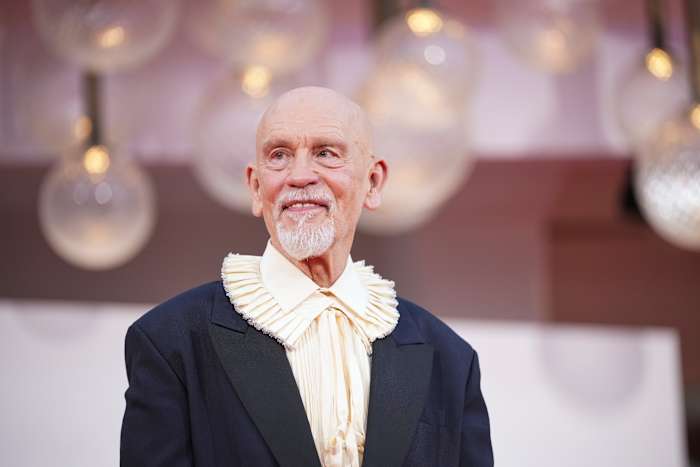
The cultural commentariat wants you to believe a simple story about John Malkovich, a rogue public relations firm, and a bad afternoon at a laptop.
The lazy consensus is neat, tidy, and entirely self-serving: a local promoter's PR hire fabricated a warm, fuzzy quote about solidarity, Malkovich read it in the trades, flew into a professional fury over unapproved copywriting, and scrapped his scheduled Tel Aviv performance of The Music Critic. Crisis management meets clerical error. Case closed.
Except anyone who understands how international touring machinery actually operates knows that press releases do not get written, distributed to major national newspapers, and published in outlets like The Jerusalem Post without layers of sign-offs, manager approvals, and promoter alignment. PR firms working international bookings do not hallucinate enthusiastic quotes about solidarity out of thin air unless they are operating under a specific brief to generate momentum for a volatile market.
The fake quote was not the disease. It was the symptom.
When the online backlash hit, and the cultural boycott pressure mounted against any high-profile artist stepping foot onto a stage in Tel Aviv, the calculus changed overnight. The fabricated statement provided the golden parachute. It offered a clean, non-ideological exit ramp for an aging icon who suddenly realized that performing a satirical evening of classical music had transformed into an involuntary referendum on geopolitics.
Malkovich’s public retort was a masterclass in professional disengagement. He noted, quite correctly, that his presence in a country does not equal an endorsement of its government, its laws, or its military campaigns. He has spent decades working across jurisdictions with grim human rights records, operating under the old-school theatrical philosophy that art is a neutral currency.
That philosophy is dead.
We live in an era where cultural hyper-visibility demands total ideological compliance. Neutrality is no longer viewed as a professional stance; it is treated as a hostile act. When a booking is announced in a polarized zone, the market does not care about your abstract theories on artistic independence. Fans, activists, and digital mobs demand a purity test before the curtain even goes up.
Consider the mechanics of modern international booking deals. Promoters guarantee high fees precisely because the artist is taking on reputational risk. When that risk spikes, the contract clauses get scrutinized. If a PR firm crosses a line by inventing direct quotes, it gives the talent an ironclad legal and ethical pretext to pull the plug without facing catastrophic breach-of-contract penalties.
The PR agency fell on its sword because that is what cheap agencies are paid to do. They absorbed the blame, muttered something about a "misunderstanding," and took the bullet so the tour logistics could be cleanly severed without a protracted legal war between management and the local promoter.
Blaming the desk jockey who typed up the press release lets everyone off the hook. It allows the media to frame the cancellation as an administrative mishap rather than a symptom of a fractured global touring circuit where no major artist can step on stage without signing an implicit ideological loyalty oath.
Malkovich wants to inhabit the twentieth-century illusion that an actor is just an actor, playing an evil critic for ninety minutes, floating above the collateral damage of history. That world no longer exists. Every stage is political, every press release is weaponized, and every artist is a potential combatant whether they want to wear the uniform or not.
Stop pretending a rogue copywriter derailed a major theatrical engagement. The ticket sales met the meat grinder of modern outrage, the safety valve blew, and the quote was simply the excuse everyone needed to walk away.