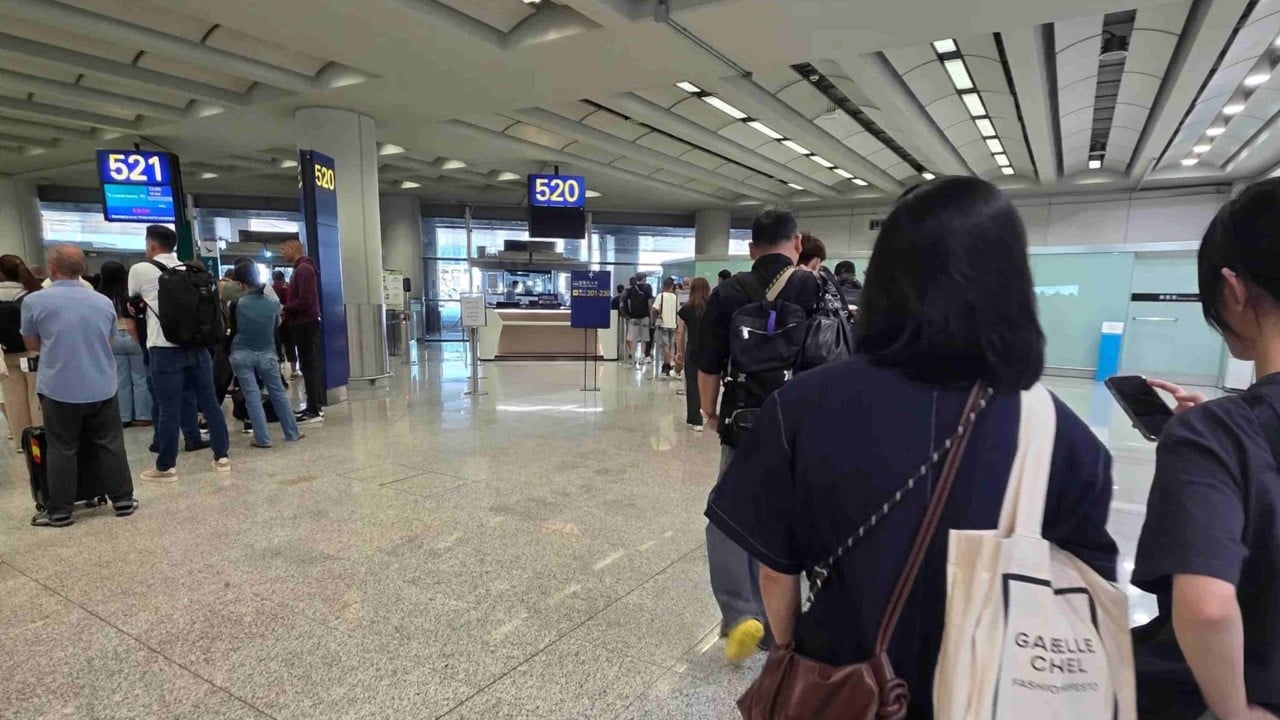
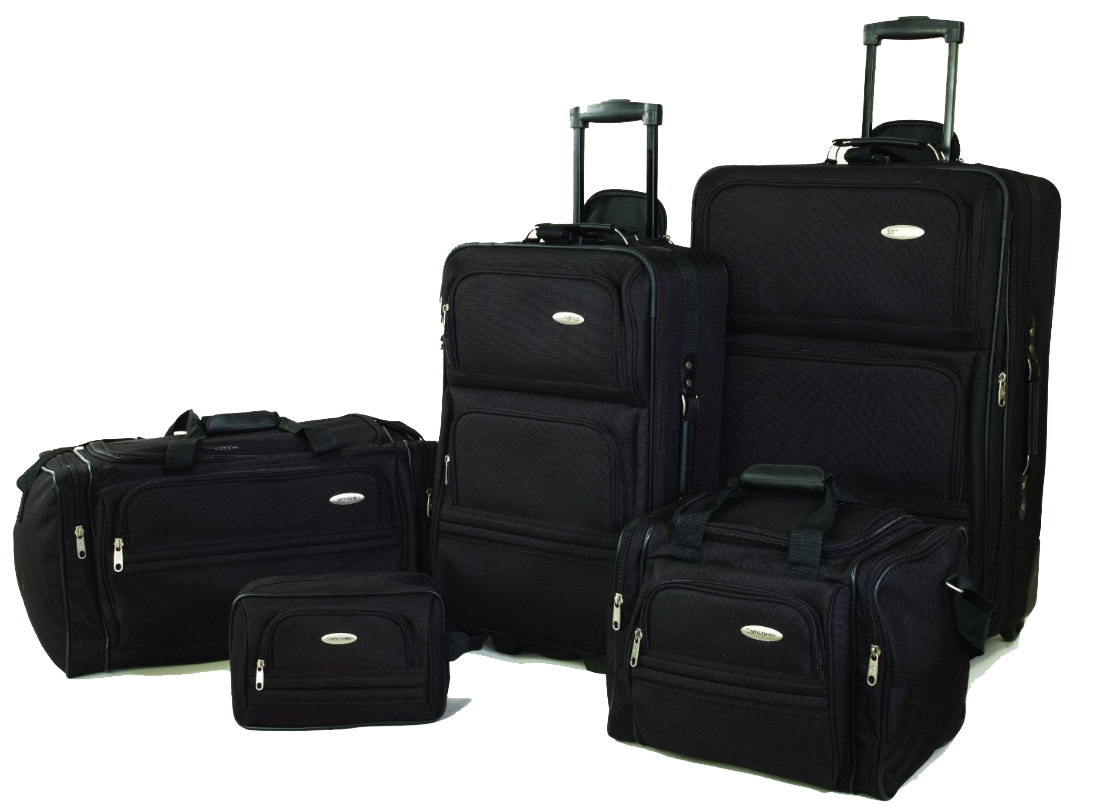
Boarding a budget flight has long felt like stepping into an obstacle course where everyone is stressed, sweaty, and dragging a suitcase that clearly violates the laws of physics. Jetstar just decided to completely blow up that model. Starting in February 2027, the low-cost Australian carrier is introducing a radical overhaul to its baggage rules by charging passengers specifically for overhead locker space.
If you want to shove your roll-aboard suitcase into the bin above your seat, you're going to pay extra. Base fares will now only cover a tiny underseat bag.
Is this a sneaky cash grab disguised as operational efficiency, or is it the sanity check frequent flyers have begged for? Honestly, it's a bit of both. Let's break down what this actually means for your next trip, how much it will cost you, and how to outsmart the new system.
The End of Free Overhead Space
For years, the unspoken rule of budget air travel was a frantic race to the gate. You bought the cheapest ticket possible, packed a massive hard-shell suitcase, and prayed the gate agents wouldn't force you to place it on the dreaded scale. If you beat the crowd, you secured valuable overhead bin real estate for free.
Jetstar is throwing out that entire playbook.
Under the upcoming policy taking effect in February 2027, your base ticket includes exactly one item: a small bag that must fit entirely under the seat in front of you. Think of a standard backpack, a small handbag, or a slim laptop bag. Dimensions are capped at 40 x 30 x 20 cm.
If you bring a larger bag meant for the overhead locker, you must purchase the airline's "Priority Carry-on" option. Prices range from A$25 up to A$52 per flight depending on the specific route. Short hops like Launceston to Sydney sit at the lower end, while international routes like Cairns to Tokyo scale up to the maximum.
Why Jetstar is Actually Doing This
Airlines love making extra money, but Jetstar claims this policy solves a very real bottleneck. Boarding delays cost carriers millions of dollars in lost time. When every single passenger tries to cram a 10-kilogram overstuffed bag into an overhead bin, the aisle turns into a parking lot. Gate agents waste precious minutes arguing with passengers over strict weight limits and bag sizes.
According to Jetstar CEO Stephanie Tully, customer and crew research showed that baggage weigh-ins and bin wars are the single most stressful parts of flying.
By forcing travelers to pay upfront for overhead storage, the airline hopes to fundamentally alter human behavior. Fewer people will bring large bags. Those who do will pay for priority boarding, meaning they march onto the plane in an orderly fashion and stow their gear without blocking the entire aircraft.
There's a silver lining here for heavy packers willing to pay. Jetstar is officially ditching its notorious 7-kilogram weight limit for cabin bags that use the new priority system. Under the new rules, your upgraded overhead bag can weigh up to 10 kilograms, provided it fits the standard dimensions of 56 x 36 x 23 cm. You no longer have to stress about the weight of your actual suitcase, just whether you've paid for the privilege of putting it overhead.
How This Compares to Global Aviation Trends
If this model sounds familiar, you've probably flown through Europe recently. Budget heavyweights like Ryanair, Wizz Air, and easyJet pioneered this exact ancillary revenue structure years ago. They gutted the concept of free carry-on luggage, forcing passengers onto ultra-cheap base fares that only include a pocket-sized personal item.
Jetstar is simply importing the European low-cost playbook to the Asia-Pacific region. They are the first major carrier in Australia and New Zealand to explicitly monetize overhead bin access.
Consumer advocacy groups are already pushing back, arguing that masking the true cost of travel behind artificially low base fares is deceptive. Critics point out that once you add a coffee, a seat selection fee, and an overhead bag, your "budget" ticket starts creeping toward the price of a full-service legacy carrier.
That criticism is entirely valid. But seasoned travelers know that budget airlines have never actually sold cheap travel; they sell modular travel. You aren't paying for the flight itself anymore. You're building a custom package based entirely on what you choose to carry onto the aluminum tube.
How to Beat the System and Avoid the Fees
You don't have to surrender your hard-earned cash to Jetstar's new overhead bin tax. Smart packing requires adapting to the rules rather than complaining about them.
First, master the art of the travel backpack. A soft-sided 40 x 30 x 20 cm bag holds a surprising amount of clothing if you use packing cubes and roll your items tightly. Because it slides under the seat in front of you, it costs absolute zero under the new policy.
Second, check your existing bookings. Jetstar confirmed that passengers who have already booked tickets for flights departing after February 2, 2027, will receive the Priority Carry-on option at no extra charge. If you have upcoming travel locked in, check your reservation status immediately to secure your grandfathered status.
Finally, weigh your options against checked baggage. If you're traveling with a heavy bag anyway, pricing out a checked bag versus paying for priority overhead space might reveal that checking the bag is cheaper or simply less annoying.
Pack lighter, choose your bag dimensions carefully, and stop expecting legacy perks on a discount ticket.