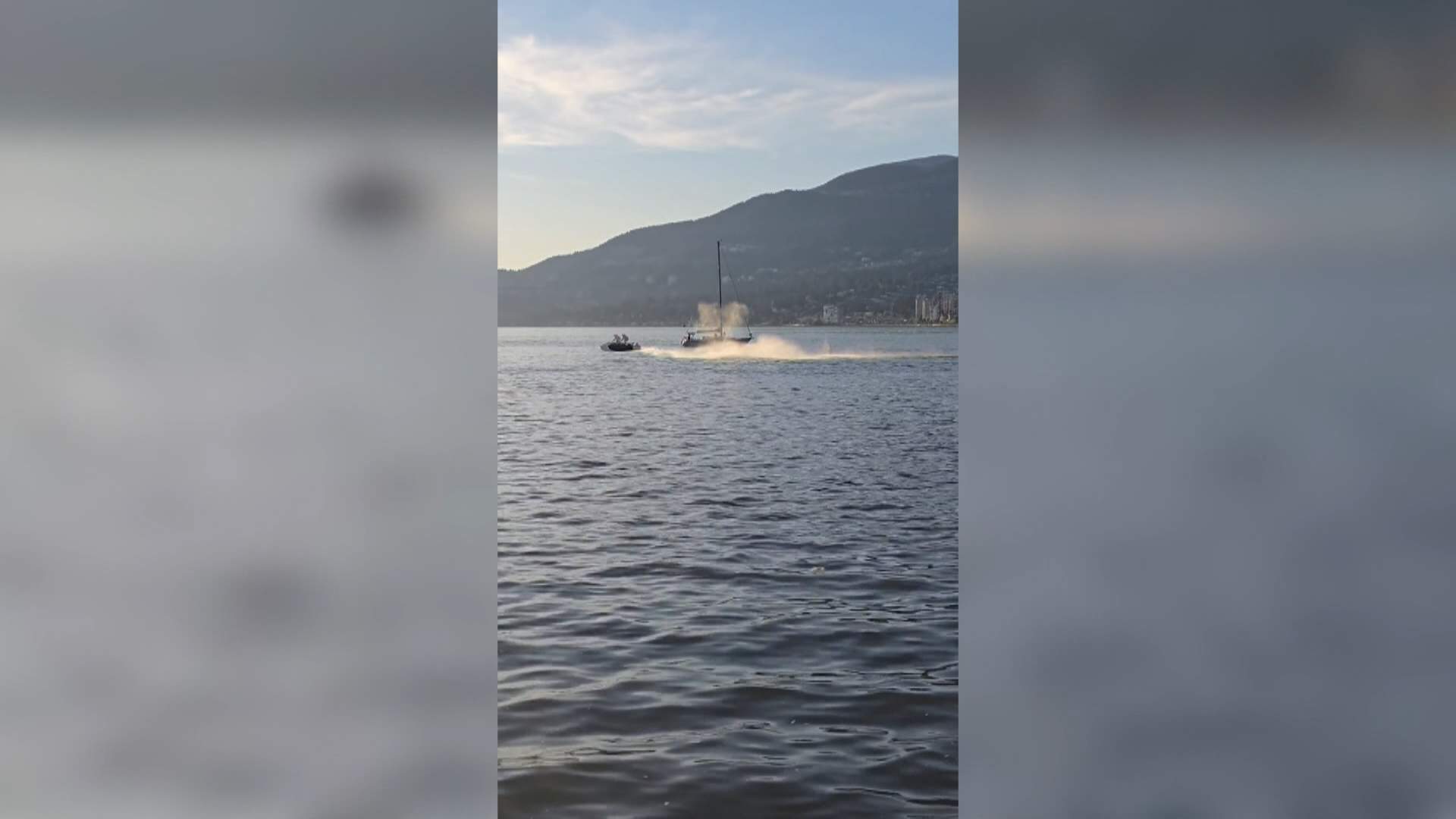
A video recently surfaced showing a jet ski slamming into a grey whale just off the coast of Stanley Park in Vancouver. It’s hard to watch. One second, you see the massive, mottled back of a grey whale breaking the surface for air. The next, a personal watercraft (PWC) zooms right over it, lurching into the air as it makes contact with the animal’s spine. The rider didn't even seem to slow down before the impact.
This isn't just a freak accident. It’s a symptom of a growing problem on our coastal waters. As more people head out on the water without a clue about local wildlife or the laws meant to protect them, these collisions are becoming inevitable. If you're operating a motorized vessel, you have a legal and ethical responsibility to know what’s under your hull.
The Reality of Marine Life in Vancouver Harbours
People often forget that Burrard Inlet and the waters surrounding Stanley Park are busy migratory corridors. Grey whales, humpbacks, and even orcas frequently visit these areas. They aren't just "passing through" in some distant, abstract way. They live here. They feed here. And they definitely don't have the agility to dodge a jet ski traveling at 40 knots.
Grey whales are bottom feeders. They spend a lot of time in shallow, coastal waters—exactly where jet skiers love to play. When they come up for air, they don't always clear the water entirely. Sometimes, all you see is a slight ripple or a blow of mist. If you're scanning the horizon for the next big wave rather than looking at the water 50 feet in front of you, you're going to hit something.
Witnesses to the Stanley Park incident reported that the whale had been in the area for some time. Other boaters had already slowed down or stopped to watch from a distance. The jet skier, however, seemed completely oblivious to the crowd and the whale itself. This lack of situational awareness is dangerous for the animal, but it’s also a massive safety risk for the rider. Hitting a 30-ton animal is like hitting a submerged log or a rock. You can easily be thrown from your craft, leading to serious injury or drowning.
Why Current Boating Regulations Aren't Enough
In Canada, the law is pretty clear. The Marine Mammal Regulations under the Fisheries Act state that you must maintain a minimum distance from whales. For most whales, dolphins, and porpoises, that distance is 100 meters. If the whale is in a "resting" state or has a calf, or if it’s a species at risk like the Southern Resident Killer Whales, that distance increases significantly—up to 400 meters in certain areas of the Salish Sea.
The problem? Enforcement is stretched thin.
Fisheries and Oceans Canada (DFO) can't be everywhere at once. Many people getting on a jet ski for the weekend have never read the Fisheries Act. They might have a Pleasure Craft Operator Card (PCOC), but let's be honest about what that involves. You can get that card by passing an online multiple-choice test that many people treat as a minor annoyance rather than a vital safety certification. It doesn't teach you how to spot a whale blow in choppy water or how to behave when you're in a high-density wildlife zone.
We need more than just "awareness." We need accountability. When a video like the one from Stanley Park goes viral, it shouldn't just be a moment for social media outrage. It should be a trigger for a full investigation and significant fines. The maximum penalty for disturbing or harming a marine mammal can reach $250,000, and in some cases, jail time is on the table. We rarely see those high-end penalties applied to recreational boaters, and that needs to change if we want the behavior to stop.
How to Avoid Hitting a Whale
It’s actually not that hard to be a responsible boater. It mostly comes down to two things: slowing down and paying attention. If you see a cluster of boats stopped in the distance, don't assume they're just fishing. They’re likely watching wildlife.
Look for the Blow
A whale’s blow is often the first thing you'll see. It looks like a puff of steam or smoke on the horizon. If you see one, immediately drop your speed to "no-wake" levels. Whales rarely travel in a straight line when they're feeding. Just because you saw it surface 100 meters away doesn't mean it won't pop up right in front of you two minutes later.
Watch for "Fluking"
When a whale dives deep, it often raises its tail (flukes) out of the water. This is a clear signal that the animal is heading down, but it also tells you exactly where it is. If you see a fluke, stay clear of that entire radius.
Avoid "Leapfrogging"
A common mistake boaters make is trying to get ahead of a whale's path to wait for it. This is called leapfrogging, and it’s illegal. It disrupts the animal's natural movement and increases the chance of a collision. The best thing you can do is keep your distance and stay behind or to the side of the animal, never in its path.
The Physical and Psychological Toll on Wildlife
A jet ski hitting a whale isn't just a "bump." Even if the whale survives, the blunt force trauma can cause internal bleeding or broken bones. The scars left by propellers and jet drives are permanent. These injuries can make it harder for the whale to dive, feed, or migrate thousands of miles.
Then there’s the noise. Jet skis are notoriously loud and high-pitched. Marine mammals rely on sound for everything—navigating, finding food, and communicating with their pods. A constant barrage of high-speed motorized noise creates an "acoustic fog." It stresses them out. It drives them away from their preferred feeding grounds. When you're zooming around Stanley Park, you're basically screaming in their ears.
Taking Personal Responsibility on the Water
If you’re the one on the jet ski, the responsibility is 100% on you. The whale isn't going to look both ways. You're the one with the engine and the steering.
Don't wait for a sign or a buoy to tell you to slow down. If you're in the Salish Sea, you're in whale territory. Treat every trip out of the marina like you're driving through a school zone. Keep your eyes on the water, keep your speed down near the shore, and if you're lucky enough to see a whale, give it the space it deserves.
Check the WhaleReport App before you head out. It’s a tool managed by the BC Cetacean Sightings Network that tracks real-time sightings. It helps commercial mariners avoid whales, and it’s just as useful for recreational boaters. Knowing where the whales were seen 20 minutes ago can save you from a legal nightmare and save a whale from a life-threatening injury.
Stop treating the ocean like an empty racetrack. It’s a habitat. If you can't handle the responsibility of sharing that habitat, stay on the dock.