You think you've seen everything on the internet, and then a case comes along that completely shatters your faith in online culture.
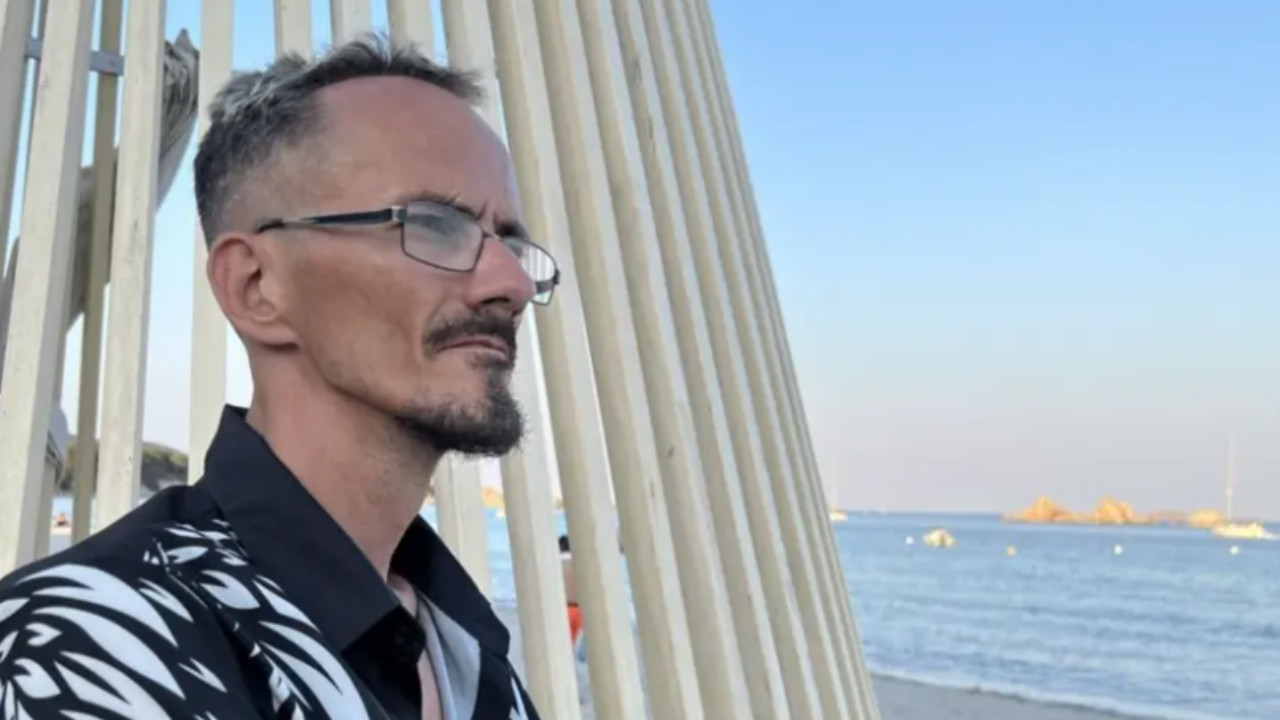
In France, public prosecutors are demanding prison sentences and lifetime social media bans for two prominent Kick streamers. The charges stem from the disturbing, slow-motion tragedy of Raphaël Graven, known online as "Jean Pormanove" or "JP," who died in August 2025 during an exhausting 12-day live broadcast marathon.
For years, the internet has nurtured a toxic subculture where human suffering is monetized for digital pennies and "clout." This trial is the moment the real world finally decided to push back. French prosecutor Maud Marty isn't just trying to punish two young men; she's attempting to dismantle what she called a "system of human mistreatment" that treated violence as prime-time entertainment.
If you think this is just a local French issue, you're missing the bigger picture. This case could redefine platform liability and how we regulate extreme content worldwide.
The Grim Reality of the Abuse Business
To understand how we got here, you have to look at the business model. In December 2024, the French investigative outlet Mediapart blew the lid off what they termed the "online abuse business". On the Australian-based streaming platform Kick, a group of young content creators had built an entire ecosystem around abusing and humiliating vulnerable people for views.
The primary targets were another disabled streamer and Raphaël Graven, a 46-year-old man who struggled to keep up with his younger, aggressive colleagues.
This wasn't a one-time slip-up. It was a regular routine. Over months of live broadcasts, viewers tuned in to watch Graven get:
- Slapped, kicked, and punched on camera
- Shot repeatedly with paintball guns
- Doused in paint and had his hair pulled
- Chained up, verbally insulted, and subjected to extreme challenges
The worst part? The audience cheered it on. Chat rooms flooded with ableist slurs and donations, encouraging the abuse to escalate. The streamers kept pushing because the algorithm rewarded the spectacle.
On August 18, 2025, Graven collapsed and died during a marathon broadcast that had been running continuously for over 280 hours. As he lay motionless under a blanket, his co-streamer Owen "Naruto" Cenazandotti checked if he was alive by throwing a plastic water bottle at him and slapping his face before finally shutting down the stream.
What Prosecutors are Demanding in Court
It's crucial to understand a key legal detail about the current trial: the two defendants, Owen "Naruto" Cenazandotti (26) and Safine Hamadi (23), are not being tried for directly causing Graven's death.
An autopsy revealed that Graven's death was not caused by physical trauma or direct third-party intervention. Instead, his death was likely due to underlying medical or toxicological issues, potentially exacerbated by the extreme stress and sleep deprivation of the 12-day stream.
Instead, prosecutors are throwing the book at them for what they did leading up to that tragic day. The charges include group violence, abuse of a vulnerable person, broadcasting violent images, and inciting hatred.
The proposed penalties are designed to set a severe precedent:
- For "Naruto" Cenazandotti: Prosecutors are seeking a 30-month sentence. This includes 18 months suspended, with the remaining 12 months served at home under electronic monitoring, alongside a €30,000 fine.
- For Safine Hamadi: Prosecutors have requested an 18-month suspended sentence under probation, combined with a €15,000 fine.
- The Social Media Ban: Crucially, the prosecution wants both men banned from ever creating content on online platforms again.
The Defense of "It Was Just a Prank"
How do you defend months of documented physical abuse? You claim it was all fake.
During their initial arrests and throughout the trial, both streamers insisted that the entire dynamic was a performance. They argued that Graven was in on the joke, and that the violence was staged to "generate buzz" and make money. Cenazandotti even claimed the videos "brought happiness" to their viewers and that they never intended to cause real harm.
Even Graven's own mother defended the young streamers after his death, arguing they didn't mistreat him and had actually helped him enjoy his life.
But French prosecutors aren't buying the "it was just an act" defense. The sheer level of repetition, physical degradation, and exploitation of a vulnerable individual crosses a clear legal boundary. Under French law, consent does not absolute-proof you against charges of deliberate violence or the abuse of a vulnerable person.
The Bigger Target: Platform Negligence
This case isn't just about two bad actors; it's a direct assault on the platforms that host them.
Kick, which launched in late 2022 as a highly lucrative, less-regulated alternative to Twitch, has faced intense scrutiny. The platform offers creators a massive 95% revenue split, but it has quickly gained a reputation as a haven for creators who get banned elsewhere for extreme behavior.
French digital affairs minister Clara Chappaz and youth minister Sarah El Haïry both publicly condemned the platform, calling the broadcast an "absolute horror". The Paris prosecutor's office has launched a separate investigation to determine if Kick violated the European Union's Digital Services Act (DSA) by knowingly distributing illegal and violent content.
If Europe successfully holds Kick accountable for failing to stop a 12-day stream of abuse, it will change the entire landscape of live streaming. Platforms will no longer be able to hide behind "confidentiality policies" or slow moderation queues.
What Happens Next
The court's upcoming decision on Cenazandotti and Hamadi will send shockwaves through the streaming community. If the court grants the social media bans, it establishes a powerful new tool for justice systems: digital exile.
For creators who build their entire identities and livelihoods on "clout," being legally banned from the internet is a punishment far worse than a suspended sentence.
If you are a content creator, or even just someone who watches live streams, here is what you need to take away from this tragedy:
- The "it's just for views" defense is dead. The legal system is catching up to digital culture. If you abuse someone on camera, "it was staged" will not save you from a jail cell.
- Platform boundaries are shifting. Expect to see much stricter moderation on secondary streaming sites. The era of the wild-west "trash stream" is rapidly drawing to a close as governments enforce heavy fines under frameworks like the DSA.
- Audience complicity is real. Watching, sharing, and donating to streams that feature human degradation makes viewers part of the problem.
The Jean Pormanove case is a painful reminder that the digital world has real-world consequences. When we treat human lives as content to be consumed and discarded, we shouldn't be surprised when the screen finally goes black.
France probes live streaming death of man
This news broadcast provides essential visual context and background reporting on the initial investigation following the tragic live-streamed death of Raphael Graven in France.