Japan is done waiting. For decades, the "peace constitution" was the bedrock of Japanese identity, a self-imposed restraint that kept the country’s military—the Self-Defense Forces (SDF)—on a very short leash. But the world changed, and Tokyo is finally admitting it.
On Monday, April 27, 2026, Prime Minister Sanae Takaichi officially launched a 15-member expert panel to overhaul Japan’s national security strategy. This isn't just another bureaucratic meeting. It’s a signal that the "self-defense only" era is effectively over, replaced by a doctrine that prioritizes deterrence and long-term survival in a neighborhood that’s getting more dangerous by the day.
If you’ve been following the news, you know the stakes. China is flexing its muscles in the East China Sea, North Korea hasn't stopped its missile tests, and Russia’s military presence in the north is a constant thorn. Takaichi, who took office last October after a landslide victory, isn’t mincing words. She told the panel that the post-Cold War order is "a thing of the past."
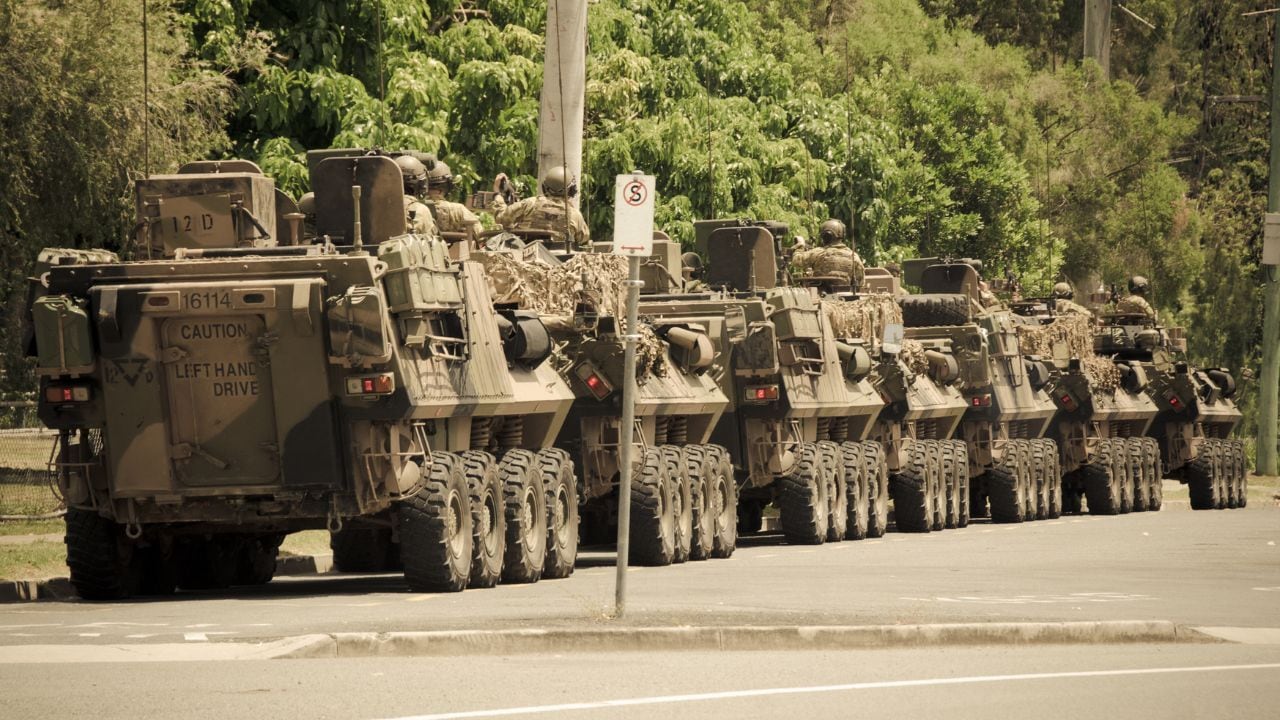
She’s right. The "Southern Shield" strategy—deploying long-range missiles to Kyushu and the Nansei Islands—is already happening. Japan is moving from a defensive crouch to a proactive stance, and this new panel is the engine driving that shift.
The End of the Peaceful Status Quo
The reason this matters so much right now is simple. The 2022 security documents, which were supposed to last a decade, are already obsolete. Takaichi is fast-tracking a review because the "simultaneous threats" from Beijing, Pyongyang, and Moscow are no longer theoretical.
Japan already hit its goal of spending 2% of its GDP on defense, roughly 43 trillion yen ($270 billion). But the new panel is expected to push for even more. We’re talking about a fundamental shift in how Japan views its place in the world. For years, the U.S. provided the "shield" while Japan provided the "spear" (in a very limited capacity). Now, Japan wants its own spear.
Last week, the Cabinet scrapped restrictions on exporting lethal weapons. That’s huge. It allows Japan to deepen military ties with the U.S. and other partners, essentially turning Japan into a global defense hub. Pacifists are worried, but the public seems to be on board. Recent polls show over 50% approval for Takaichi’s tougher stance. People are more afraid of being defenseless than they are of a stronger military.
What the Panel is Actually Doing
This 15-member group isn't just looking at tanks and planes. They’re diving into the messy reality of modern warfare. Here’s what’s on their plate:
- Long-term conflict readiness: Japan isn't prepared for a war of attrition. They’re looking at stockpiling ammo and hardening infrastructure.
- Drone warfare: The war in Ukraine showed everyone that cheap drones can take out expensive tanks. Japan needs to catch up, and fast.
- Economic security: Protecting supply chains and keeping tech out of the wrong hands is now a military priority.
- Nuclear sharing: This is the big one. Some members of the ruling coalition want to talk about nuclear sharing or at least reconsidering the "Three Non-Nuclear Principles." It’s controversial, but it’s on the table.
Why Takaichi is Moving Fast
You have to understand the political context. Takaichi has a supermajority. She’s got the mandate to do what previous Prime Ministers couldn't. By launching this panel now, she’s setting the stage to rewrite the National Security Strategy by the end of 2026.
Critics say she's abandoning Japan's pacifist roots. They’re not wrong. But Takaichi’s argument is that you can’t be a pacifist if you don't exist. She’s looking at the "Nansei Island chain"—the string of islands stretching toward Taiwan—and seeing a giant target.
The deployment of long-range missiles to Kumamoto Prefecture earlier this year was a turning point. Those missiles can hit targets in China. That’s not "self-defense" in the traditional Japanese sense; it’s a counter-strike capability. The panel will decide how much further that goes.
The Risks of a New Arms Race
It’s not all smooth sailing. Increasing defense spending is expensive. Japan has a massive debt problem and an aging population. Every yen spent on a missile is a yen not spent on healthcare or pensions. Finding the cash—whether through taxes or debt—will be the panel’s hardest job.
Then there’s the regional reaction. China has already called the move a "grave provocation." There’s a real risk of an arms race that nobody can actually afford. But from Tokyo’s perspective, the race started years ago, and they’ve just been sitting on the sidelines.
What Happens Next
Expect the panel to deliver its first set of recommendations in the coming months. If you’re a defense contractor or a geopolitical analyst, pay close attention to the wording on "counter-strike capabilities" and "fiscal sustainability."
If you’re just someone watching the news, understand this: the Japan you knew—the one that stayed out of global conflicts and focused only on its own shores—is disappearing. In its place is a nation that’s decided that being "peaceful" requires being very, very well-armed.
Keep an eye on the upcoming Diet sessions. That's where the real battle over funding will happen. If Takaichi gets her way, Japan’s military will look unrecognizable by 2030. It's a bold move, and honestly, a necessary one if they want to keep their seat at the table.