Japan has a global reputation for flawless train systems. People praise its precision engineering, high-tech signaling, and bulletproof safety culture. But that illusion shattered when an express train struck and killed four maintenance workers on the tracks north of Tokyo.
Let's look at what actually happened on the ground, why the standard safety protocols broke down, and what this tragedy exposes about routine railway maintenance.
The Tragic Morning at Shin Kanuma Station
The incident happened at around 10:45 a.m. at Shin-Kanuma Station on the Tobu Nikko Line in Tochigi Prefecture. Four men, ranging in age from their 50s to 60s, were on the tracks clearing weeds. They were part of a seven-person crew handling routine upkeep.
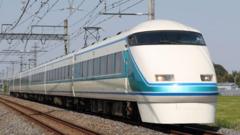
An oncoming express train—the Spacia X running from Tobu Nikko toward Tokyo's Asakusa station—rounded the approach. It was carrying roughly 50 passengers. Passengers reported hearing an abrupt, violent sound before the emergency brakes locked up violently, throwing people off balance.
When emergency services arrived, the scene was devastating. Three of the workers were trapped underneath the train, while another lay on the platform. All four were unconscious and later pronounced dead. Miraculously, no passengers or crew members sustained physical injuries, but the human cost for the maintenance crew was absolute.
Where Did the Safety Protocol Fail?
Japanese rail operators follow strict operational safeguards. When crews work on active tracks, standard procedure dictates that a designated lookout must visually scan for approaching trains. This lookout is supposed to sound a warning, ensure workers clear the danger zone, and signal the driver with a flag.
The train driver acknowledged seeing a flag signal and sounded the horn. Yet, the workers remained in the path of the train. Tobu Railway officials admitted they haven't been able to confirm whether the lookout actually managed to warn the four men in time.
That gap in communication is terrifying. How does a system backed by decades of rigorous protocol experience a catastrophic breakdown during broad daylight maintenance?
Most rail accidents don't stem from a lack of rules. They happen because of a breakdown in communication chains, routine complacency, or overlapping visual blind spots. When workers focus entirely on physical labor like weeding ballast and tracks, they rely entirely on the lookout to protect them. If that single line of defense fails, disaster strikes instantly.
The Hard Truth About Railway Maintenance
We look at automated braking systems and digital train control as shields against all harm. But human hands still maintain the physical tracks. Crews work in tight windows between scheduled services, often under immense time pressure to finish jobs quickly and avoid delaying millions of commuters.
The Tobu Nikko Line partial suspension caused immediate transit chaos, but the real loss cannot be measured in delayed timetables. It points to a systemic vulnerability in how ground crews interact with high-speed express traffic.
Police and fire departments are currently digging into the exact timeline and operational logs. Accountability matters, but preventing a repeat requires more than an apology press conference from the rail operator. It demands a serious overhaul of how lookouts communicate warnings in real-time, removing reliance on visual hand signals alone when lives are on the line.
Operators must ask whether automated proximity alerts or direct radio headsets for every individual worker are long overdue. Relying on a single person waving a flag on a busy platform is an outdated method for modern speeds. Until rail companies back up manual lookouts with failsafe technology, track maintenance remains far more dangerous than the public ever realizes.
You can watch additional coverage of this incident in this CNA report on the Japan train accident.