Japan is buying foreign defense tech faster than it can build its own, and honestly, it didn't have much choice. China's military expansion around the East China Sea and Taiwan Strait has moved at a pace traditional Japanese defense contractors simply weren't built to match on their own. Meanwhile, lessons from Ukraine showed how cheap drones, networked sensors, and rapid software updates can turn expensive hardware into scrap metal if you lag behind.
So Tokyo is turning outward. Hard. From unmanned systems and artificial intelligence to cyber defense and joint missile co-development, Japan is tapping overseas partners to fill capability holes before a crisis hits. Will that gamble pay off? It already solves short-term speed problems. Long-term, though, relying on foreign tech brings strings attached, supply bottlenecks, and domestic political fights that won't go away easily. If you liked this post, you might want to read: this related article.
Why Foreign Tech Became Urgent For Japan
For decades, Japan's Self-Defense Forces operated on a careful balance. Big-ticket platforms came from domestic heavy industry or tightly controlled U.S. programs, while defense budgets stayed modest by global standards. That model worked fine when threats felt slower and further away.
It doesn't fit 2026. Beijing has poured resources into naval vessels, missiles, space assets, and cyber operations. North Korea keeps testing missiles. Russia's war in Ukraine proved that modern conflicts chew through munitions and demand mass-produced unmanned gear at staggering speed. As covered by the Brookings Institution, Tokyo accelerated updates to its core national security documents ahead of schedule precisely because the regional security picture kept souring. For another perspective on this event, check out the recent update from Ars Technica.
Speed beats perfection when an adversary is already scaling up next door.
You can see the shift right inside Japan's budget priorities. The Defense Ministry's push toward unmanned platforms, artificial intelligence for command and control, standoff missiles, and cyber resilience reflects a blunt realization. Waiting ten years for a purely domestic system isn't a strategy when you need sensors in the air and networks hardened right now.
The Demographic Squeeze Nobody Can Ignore
Money gets the headlines, yet Japan has another problem that makes foreign automation non-negotiable. Its population is shrinking and aging fast. Recruiting enough young people into uniform gets harder every year.
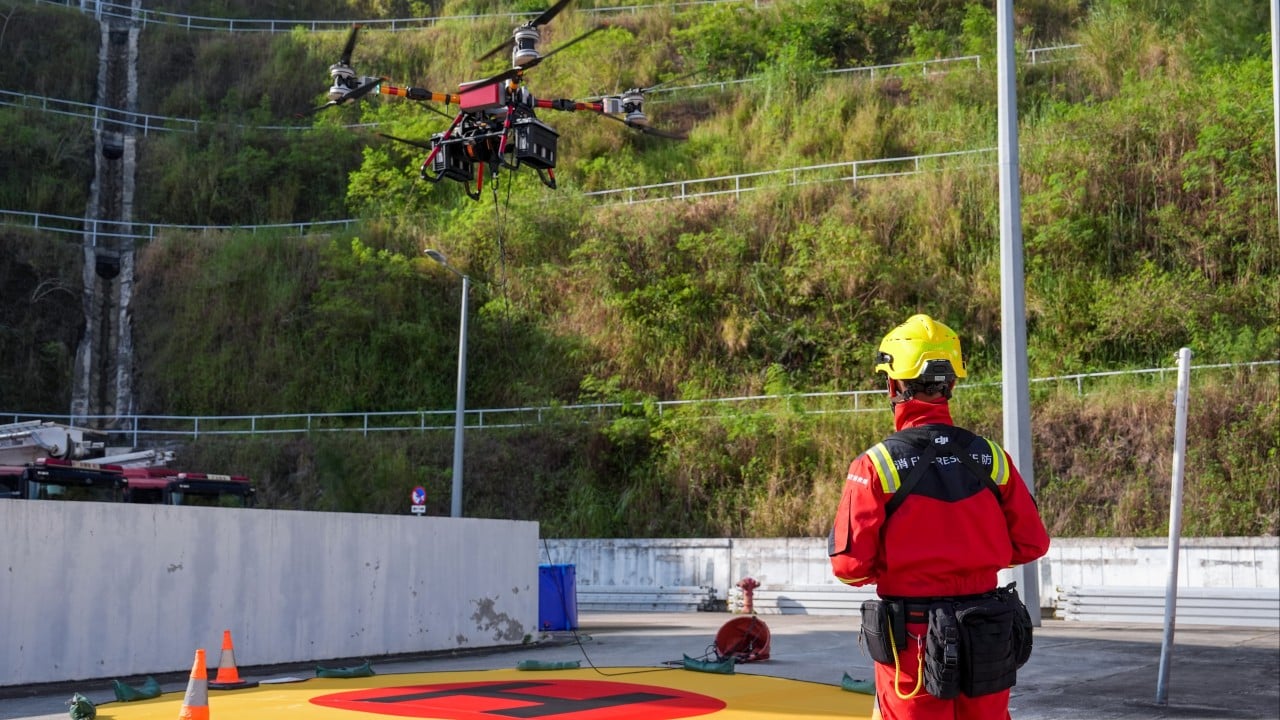
Uncrewed surface vessels, aerial drones, and AI-assisted decision tools aren't just trendy buzzwords in Tokyo. They're a workforce workaround. If you can't put more sailors or operators on every hull and base, you need smarter machines and foreign partners who already know how to field them at scale. As AP News reported on Japan's defense budget push, building completely homemade drones from scratch is tough when commercial drone markets have long leaned heavily on Chinese supply chains.
Where Japan Is Looking Outside Its Borders
Tapping foreign tech isn't a single shopping spree. It's a patchwork of alliances, co-development deals, and selective openings.
First, there's the United States. Washington remains Japan's bedrock security partner, spanning missile defense, strike capabilities, intelligence sharing, and joint operational planning. Buying off-the-shelf U.S. gear or co-developing interceptors gives Japan proven systems and tight interoperability with American forces.
Second, Tokyo has been widening its circle beyond Washington. Closer ties with Australia, European partners, and defense-tech innovators in allied countries give Japan access to specialized capabilities—from maritime autonomy and electronic warfare to next-generation propulsion and sensors.
Third, Japan's own export rules have been shifting. Defense equipment transfers used to be heavily fenced in, which made foreign partners hesitant to share sensitive tech or co-invest. Relaxing export restrictions under Japan's Three Principles framework—paired with tighter foreign investment screening under the Foreign Exchange and Foreign Trade Act—signals a more pragmatic posture: open doors for trusted partners, guardrails against security leaks. Coverage from The Yomiuri Shimbun has also pointed to government efforts to build stronger export support structures so domestic firms can scale alongside international partners.
Cyber And Command Software Are Quiet Frontlines
Missiles look dramatic on television, yet software and networks often decide whether modern forces actually function under pressure. Japan has stepped up spending on cyber defense, network protection, and resilient communications—including cloud architecture built for high-sensitivity defense data.
In cyber and AI, commercial and allied innovation moves way faster than legacy defense bureaucracies. Tapping foreign expertise here helps Japanese units spot intrusions earlier, share threat intelligence faster, and keep command links alive when GPS or traditional radios get jammed.
The Catch With Buying Foreign Defense Tech
Here's the part people who cheer every foreign contract tend to gloss over. Importing technology doesn't automatically hand you sovereignty or readiness.
1. Supply chain choke points don't vanish. Even if a system comes from a friendly country, its subcomponents, microelectronics, or rare materials might still trace back to vulnerable links. Lead times for foreign weapons and parts can stretch out when global demand spikes.
2. Maintenance and upgrades get complicated. Foreign-built platforms often come with proprietary code, strict export licenses, or slow foreign military sales queues. If something breaks in a crisis or needs a rapid software patch to counter a new jammer, waiting on overseas approval or overseas engineers hurts.
3. Domestic industry feels the squeeze. Japanese legacy manufacturers—names like Mitsubishi Heavy Industries, Mitsubishi Electric, and Kawasaki Heavy Industries—have carried Japan's industrial base for generations. If foreign gear crowds out domestic orders too aggressively, local engineering talent and production lines can atrophy. Once a specialized factory shuts down or engineers leave the field, you can't snap your fingers and bring it back.
4. Budgets collide with political reality. Ambition is cheap; yen are not. Debates inside Tokyo between defense planners who want sweeping capability upgrades and finance officials watching debt, taxes, and consumption-tax politics show how tight the fiscal rope really is. You can't buy every foreign system on your wish list without tradeoffs.
Will The Gamble Pay Off In The End
It can pay off—if Tokyo treats foreign tech as a bridge and a catalyst rather than a permanent crutch.
Think of it like renovating an old house while living in it. Bringing in outside specialists to rewire the breaker box and patch the roof right away keeps the lights on during a storm. Still, if you never learn how the system works or rebuild your own tradespeople, you're stuck calling outside contractors for every single repair.
The smartest version of Japan's approach uses foreign partnerships for three things:
- Immediate gap-filling in areas like drones, sensors, air/missile defense, and cyber tools where time matters most.
- Tech transfer and co-production so Japanese engineers absorb know-how instead of just acting as passive buyers.
- Interoperability so allied forces can actually fight and resupply together without friction.
Where it goes wrong is assuming money and foreign contracts equal deterrence by themselves. Deterrence also takes spare parts, ammunition stockpiles, trained operators, resilient power and telecom grids, and political stamina when budgets get tight.
Practical Ways To Track What Happens Next
If you're following how this plays out—whether as a defense analyst, investor, supply-chain watcher, or curious reader—don't get distracted by flashy announcements alone. Watch the gritty details:
- Check actual contract execution, not just wish lists. Look at whether budget frameworks translate into signed orders, delivery schedules, and real stockpiles rather than stalled negotiations.
- Follow co-production terms. Pay attention to whether foreign deals include local manufacturing, maintenance rights, or software access—those details show whether Japan is building lasting capability.
- Watch domestic industrial health. Track how Japanese primes and mid-sized suppliers invest in dual-use tech, drones, and cyber talent, and how export approvals play out in practice.
- Keep an eye on alliance coordination. Real payoff shows up in joint exercises, logistics readiness, and shared situational awareness across the Indo-Pacific, not just press releases.