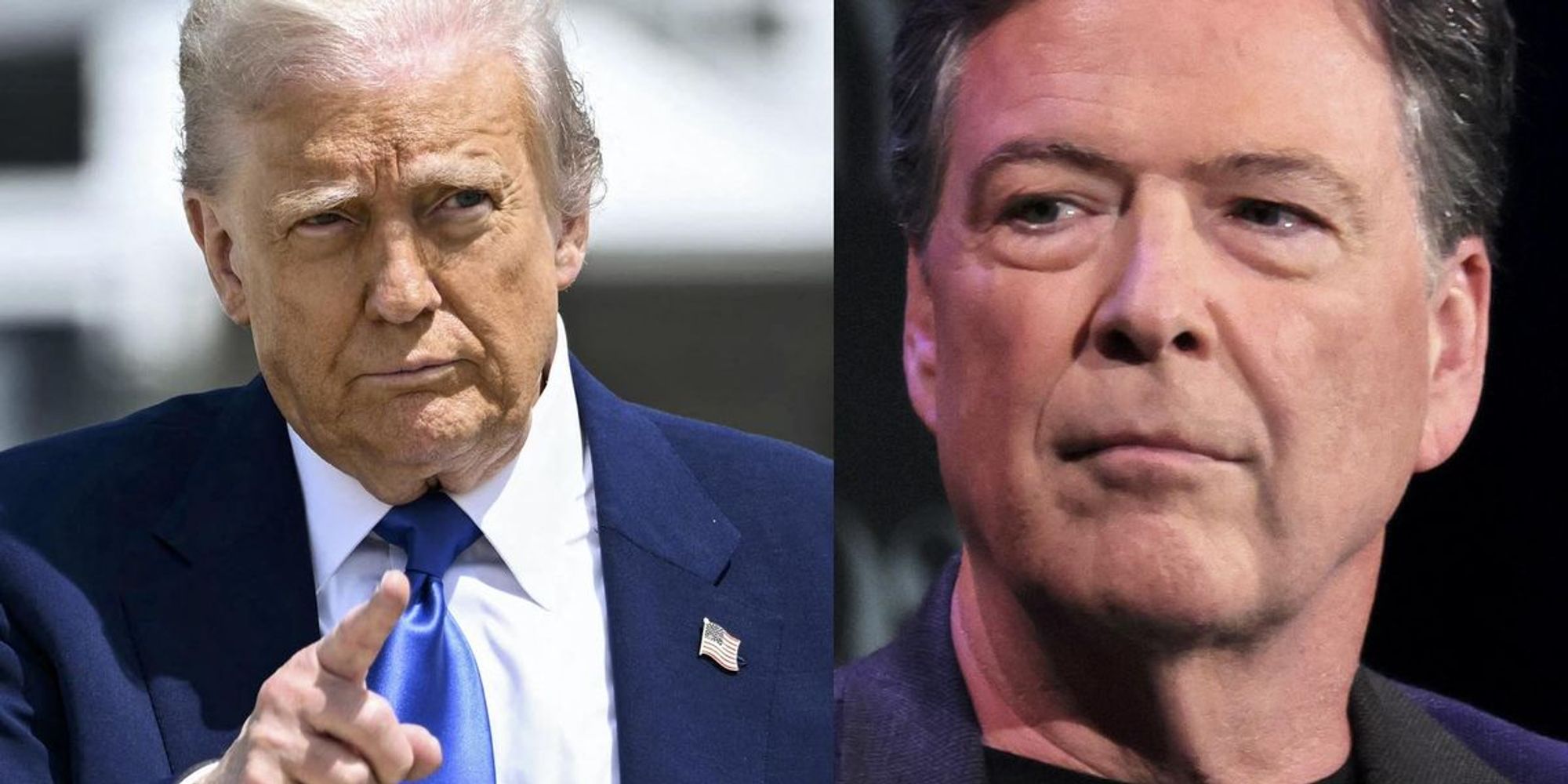
The federal government is officially trying to put James Comey in prison because of a photo of seashells. On Wednesday, the former FBI Director surrendered to authorities in Alexandria, Virginia, facing charges that he threatened the life of President Donald Trump. It's his second indictment in a year.
If you think that sounds like a plot point from a bad political thriller, you're not alone. The case centers on an Instagram post from May 2025 where Comey shared a picture of shells on a North Carolina beach. They were arranged to form the numbers 86 47. Prosecutors argue this was a "true threat" against the 47th president.
I’ve watched plenty of legal drama, but this feels different. It's a massive test for the First Amendment. The Justice Department is essentially betting that they can prove a cryptic social media post is the same thing as a direct assassination threat.
The seashell numbers that sparked a federal case
Let’s talk about the math here. The DOJ’s theory is simple. In restaurant slang, to "86" something means to get rid of it or cancel it. Trump is the 47th president. Put them together, and the government says Comey was calling for the president's removal—by force.
President Trump isn't being shy about his interpretation. He told reporters on Wednesday that "86" is a "mob term" for killing someone. Acting Attorney General Todd Blanche is doubling down, claiming the indictment was brought because the post was "knowingly and willfully" intended as a threat.
But Comey's defense is pretty straightforward. He says it was a political message. He’s been a vocal critic of Trump since he was fired in 2017, so a post suggesting Trump should be "86'd" (removed from office or defeated) isn't exactly out of character for a political opponent. He deleted the post almost immediately after people started interpreting it as a call for violence.
Why this is a nightmare for prosecutors
Proving a "true threat" is one of the hardest things to do in a U.S. courtroom. You can't just prove that someone said something scary. You have to prove they intended it to be a threat or, at the very least, that they recklessly ignored how it would be perceived.
The Supreme Court has set the bar incredibly high. In recent years, the court has ruled that even disgusting or intimidating speech is often protected if it's political. Here’s why the government’s case is on shaky ground:
- Ambiguity is a legal shield. Does "86" mean kill? Or does it mean "don't serve this guy at a diner"? Or "vote him out"? If there’s a non-criminal interpretation, the prosecution has a huge problem.
- The delay. This post happened in May 2025. If the FBI really thought the former director was planning a hit on the president, why did they wait nearly a year to charge him?
- The "Vindictive Prosecution" defense. Comey’s lawyer, Patrick Fitzgerald, is already signaling he’ll argue this is just a retaliatory strike. Trump has publicly called for Comey to be prosecuted for years. This makes the DOJ look like it's doing the president's personal bidding.
A pattern of legal swings and misses
This isn't the first time the current Justice Department has gone after Comey. Last year, they hit him with charges for lying to Congress. That case fell apart when a judge ruled the prosecutor hadn't been legally appointed.
It's not just Comey, either. New York Attorney General Letitia James faced similar "thin" allegations that were also tossed out. This pattern is exactly why legal experts are skeptical. When you keep swinging at the same people with novel legal theories and missing, it starts to look less like law enforcement and more like a grudge match.
During Wednesday’s appearance, Magistrate Judge William Fitzpatrick seemed to agree that Comey wasn't a flight risk or a danger. He released Comey without any special conditions, other than telling him to keep firearms out of the house. He didn't even set bail. That’s a loud signal that the court isn't treating this like the trial of a dangerous terrorist.
What happens next in North Carolina
The case is now moving to the Eastern District of North Carolina. That’s where the beach is, and that’s where the grand jury handed down the indictment. Comey will have to travel there for his next hearing.
Expect his legal team to file a motion to dismiss almost immediately. They'll argue that the indictment fails to meet the basic standards of the First Amendment. If the judge allows it to go to trial, we’re looking at a circus. Prosecutors will have to bring in "experts" on restaurant slang and mob talk to convince a jury that seashells are a murder weapon.
If you’re following this, keep your eyes on the "intent" evidence. The DOJ says they have documents and witness interviews to prove Comey meant harm. Unless they have a text message where he says, "I'm using these shells to signal an attack," they’re going to have a very hard time winning over a jury.
For now, the best move is to watch the North Carolina filings. That’s where the real legal battle over free speech vs. presidential protection will play out. This case isn't just about James Comey; it's about whether the government can criminalize political metaphors they don't like.