Don't let the lack of an immediate ceasefire fool you. The meeting in Washington yesterday between Israeli and Lebanese officials wasn’t just another round of diplomatic theater. For the first time in over thirty years, the governments in Jerusalem and Beirut sat across from each other in a high-stakes room, bypasssing the usual shadow-dance of indirect messaging.
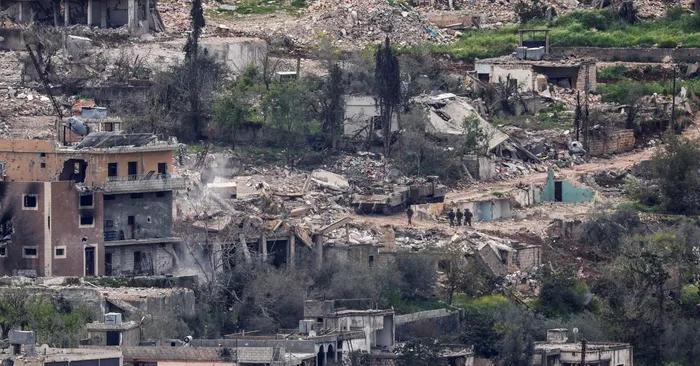
Secretary of State Marco Rubio described the April 14 session as a "process, not an event." While that sounds like classic State Department jargon, the reality on the ground is far more urgent. Over 2,100 people have died in Lebanon since the fighting flared back up six weeks ago. Israel is currently operating deep in Hezbollah strongholds like Bint Jbeil. The stakes aren't just high; they're existential for the Lebanese state.
Breaking the 1993 Curse
You have to look back to 1993 to find the last time these two neighbors engaged at this level. For decades, Lebanon’s official policy has been a refusal to recognize Israel, largely because Hezbollah held a veto over the country’s foreign policy. That veto is currently being tested.
The 2024 ceasefire agreement was a mess. It was supposed to keep the border quiet, but UN peacekeepers recorded over 10,000 violations—most of them attributed to Israel, though Israel argues these were preemptive responses to Hezbollah’s persistent buildup. The failure of that deal is why Israel is now playing hardball. They aren't interested in another "pause" that lets Hezbollah reload.
What Lebanon Wants vs. What Israel Demands
The gap between the two sides is a canyon. Lebanese Ambassador Nada Hamadeh Moawad arrived in D.C. with a clear mandate: get a ceasefire now. The humanitarian situation in Lebanon is desperate, with over a million people displaced. For President Joseph Aoun, a ceasefire is the only way to stabilize a country that’s basically running on fumes.
Israel’s Ambassador Yechiel Leiter sees it differently. He made it clear that Israel has zero interest in Lebanese land but has a massive interest in security. Israel's non-negotiable term is the disarmament of Hezbollah. They want the Lebanese Armed Forces (LAF) to actually do their job—patrolling the south and confiscating illegal weapons instead of looking the other way.
- Lebanon’s Goal: Immediate cessation of hostilities and humanitarian aid.
- Israel’s Goal: A permanent end to Hezbollah’s military presence south of the Litani River.
- The Reality: Israel is unlikely to stop its ground operations while Hezbollah continues to fire rockets.
The Iran Factor and the Grand Bargain
It's impossible to talk about Beirut without talking about Tehran. Hezbollah isn't just a Lebanese political party; it’s Iran's most expensive and well-armed proxy. Interestingly, Lebanese Prime Minister Nawaf Salam recently rejected an Iranian proposal to negotiate on Lebanon's behalf. That's a huge shift. It shows a Lebanese government trying—perhaps for the last time—to act like a sovereign state.
Meanwhile, the Trump administration is floating the idea of a "grand bargain" with Iran. There are rumors of a potential meeting between U.S. and Iranian officials in the coming days. If Washington can squeeze Tehran, Hezbollah might find its lifeline tightening. But Naim Qassem, Hezbollah’s leader, already called these Washington talks "futile." He isn't going to go away quietly.
Why This Progress Actually Matters
Critics point out that the talks concluded with "signs of progress" but no deal. That’s missing the point. The "progress" is the fact that the Lebanese government is even participating while Hezbollah is actively under fire. It suggests that the political class in Beirut is finally more afraid of total state collapse than they are of Hezbollah’s retaliation.
We’re seeing a new framework where the U.S. might bypass the "largely irrelevant" UNIFIL peacekeepers in favor of a direct monitoring mechanism. This would involve American military officers working with the LAF to verify that weapons depots are actually being cleared. It’s a move away from the failed diplomacy of the past toward something with actual teeth.
Moving Beyond the Stalemate
If you're looking for a peace treaty next week, you're going to be disappointed. This is going to be a grind. The next step is for both sides to agree on a venue for continued direct negotiations.
For Lebanon, the priority is securing reconstruction funds that are tied to state control, not militia control. For Israel, the focus remains on the "close-quarters combat" currently happening in southern Lebanon to physically dismantle the infrastructure that diplomacy has failed to touch for twenty years. The war continues, but the table is finally set.
Keep an eye on the LAF. Their willingness to enter Hezbollah-controlled "private property" in the south will be the real litmus test for whether these D.C. talks were a breakthrough or just more talk. If the Lebanese army doesn't move, the IDF won't leave. It's as simple as that.