You see them everywhere if you live near the coast, but you probably don’t think about what keeps them alive. A herring gull relies entirely on its feathers. Those feathers aren’t just for show; they form a tightly woven, waterproof barrier that keeps the bird warm and buoyant. Strip that away, and a gull is in deep trouble.
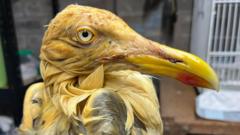
Right now, in the western town of Peel on the Isle of Man, someone is dumping fish oil. We don't know who, and we don't know exactly where it's coming from, but local herring gulls are paying the price. Rescuers from the local charity Manx Wild Bird Aid have pulled at least 13 heavily contaminated gulls from the area around the Food Park on Mill Road over the past three weeks.
This isn't a new issue. It's a recurring, frustrating environmental failure that happens year after year, and it completely undermines the region's green credentials.
The Hidden Danger of Fish Oil
When most people think of an oil spill, they picture thick, black crude oil bubbling up from a tanker or a ruptured pipeline. They think of dramatic international news footage. Because fish oil smells like food and doesn't look like a toxic wasteland, it’s easy to assume it’s harmless.
That assumption is completely wrong.
While fish oil isn't chemically toxic in the way petroleum is, the physical damage it inflicts on wildlife is exactly the same.
- Loss of Waterproofing: Feather structure functions like a high-tech wetsuit. Tiny barbules hook together to trap air and repel water. Fish oil mats these feathers down instantly.
- Hypothermia: Once the waterproof seal breaks, cold seawater penetrates straight to the skin. Even in summer, northern waters will rapidly strip away a bird's body heat.
- Drowning: Without trapped air in their plumage, gulls lose their buoyancy. They get waterlogged, grow exhausted trying to stay afloat, and sink.
The charity notes that while 13 birds have been captured and brought in for intense washing, many others are partially coated. These birds can still fly, which makes them impossible for rescuers to catch, but the damage is already done. They'll likely die slow, quiet deaths out at sea.
A Brutal Timeline for Breeding Season
The timing of this pollution makes it significantly worse. It's currently peak breeding season. When an adult herring gull gets covered in oil, the consequences ripple down to the next generation.
If a contaminated adult returns to the nest, it transfers that oil directly to its eggs. Decades of wildlife research, including studies by organizations like the U.S. Geological Survey, show that even a tiny amount of oil transferred to an eggshell blocks gas exchange. It suffocates the embryo inside within days.
If the eggs have already hatched, the situation is equally grim. A heavily oiled parent can't hunt. If one parent dies or becomes incapacitated, the remaining mate faces an uphill battle to feed the nest. If both parents hit the slick, the chicks simply starve to death in their nests.
[Oiled Adult Gull]
       │
       ├─► Fails to hunt ──► Chick Starvation
       │
       └─► Transfers oil to nest ──► Egg Suffocation (Embryo Death)
This isn't an isolated incident either. In 2022, rescuers pulled an oiled peregrine falcon from this exact spot. When apex predators start turning up coated in industrial waste, the entire local food chain is compromised.
The Biosphere Contradiction
The Isle of Man proudly holds UNESCO Biosphere status. It’s an accolade meant to celebrate environments where human economic activity and nature exist in balance.
Let’s be honest: letting an open source of industrial fish oil contaminate local wildlife for years completely destroys that narrative.
Local volunteers are angry, and they have every right to be. Manx Wild Bird Aid publicly stated that the ongoing situation makes a mockery of the island's environmental claims. It shows a blatant disregard for basic wildlife protection when a known pollution hotspot near a commercial food park goes unaddressed for multiple seasons.
Finding the source shouldn't be an impossible task. The contamination is heavily concentrated around the commercial quayside and Mill Road processing facilities. It requires dedicated enforcement, regular drainage inspections, and accountability from businesses operating within the park.
What Happens During a Wildlife Rescue
Cleaning an oiled gull isn't as simple as squitzing it with some dish soap and tossing it back into the sky. It’s a highly stressful, labor-intensive process for both the bird and the handlers.
Wildlife centers that handle these situations, like the New England Wildlife Center, report that washing a single bird takes upwards of an hour of continuous, careful scrubbing. You have to work the cleaning agent deep into the feathers to cut the dense, sticky oil without snapping the delicate feather shafts.
After the wash, the birds require days or even weeks of rehabilitation. They need time to rest, eat, and preen their feathers back into perfect alignment so they can regain their natural waterproofing. It takes massive amounts of volunteer time and charity funding—all to fix a problem that shouldn't exist in the first place.
Steps to Take If You Spot an Oiled Bird
If you live near Peel or visit the quayside, you can help change the outcome for these birds. Don't just assume someone else has reported it.
- Document the Location: Note exactly where you saw the bird and what time it was.
- Assess the Condition: Is the bird completely grounded, or can it still fly? If it can fly, don't try to chase it. You'll only exhaust its remaining energy.
- Contact Professionals Immediately: Call Manx Wild Bird Aid or local wildlife authorities. Let the experts handling the recovery know where to deploy their teams.
- Pressure Authorities for Action: Environmental protection requires public noise. Ask local representatives why the Mill Road source remains unidentified after years of repeated incidents.
Static regular monitoring from government agencies needs to happen now, not after the breeding season ends. It's time to find the leak, seal it, and hold the responsible parties accountable.