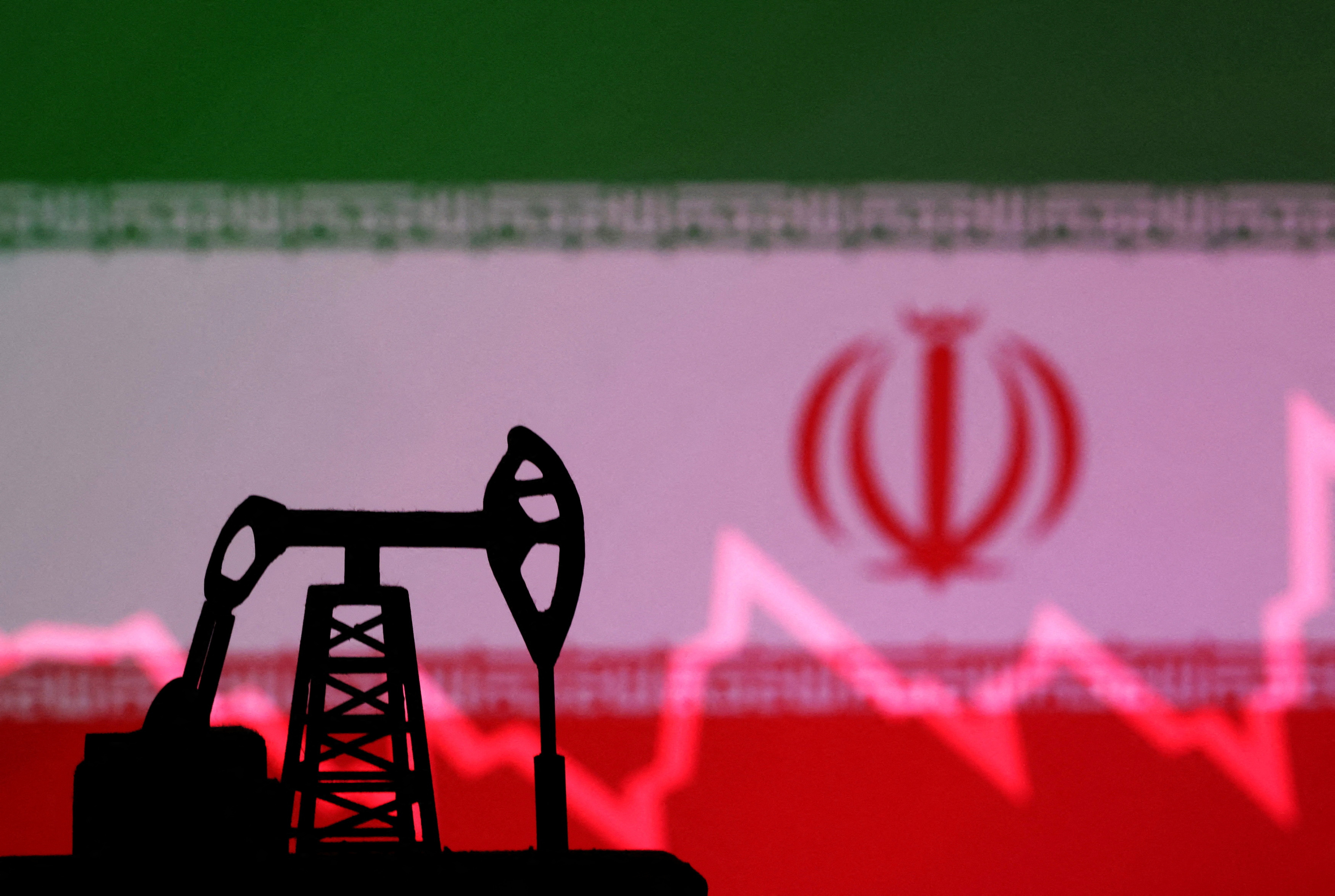
$58 billion. That's the staggering bill Rystad Energy just dropped on the desk of global energy markets. It's the estimated cost to fix the wreckage of energy infrastructure across the Middle East after months of escalating strikes, and Iran is sitting right at the center of the blast zone. If you think this is just about some broken pipes in the desert, you're missing the bigger picture. This isn't just a regional repair bill; it's a massive "stress test" for a global supply chain that's already stretched to its breaking point.
Honestly, the numbers are dizzying. We're looking at a range of $34 billion to $58 billion for total restoration, with the midpoint landing around $46 billion. Out of that, a whopping $50 billion is tied specifically to oil and gas assets. While a ceasefire was finally announced on April 8, 2026, the damage is done. The smoke has cleared to reveal a landscape where refineries, LNG trains, and desalination plants have been turned into expensive scrap metal.
The Bottleneck Nobody is Talking About
Most people look at a $58 billion price tag and think the main problem is money. It’s not. In the world of high-end energy engineering, cash is easy to find. What's hard to find are the specialized parts and the people who know how to install them. We're talking about long-lead equipment—massive, complex machines like large-frame gas turbines and specialized compressors.
The reality is that only a handful of companies on Earth make these things. These manufacturers didn't go into 2026 with empty warehouses. They already had backlogs of two to four years because of the massive push for data center electrification and the global shift away from coal. You can't just "Amazon Prime" a custom-built LNG train. If Iran or Qatar needs a replacement turbine today, they're basically standing at the back of a line that's already miles long.
Why Iran Faces a Steeper Hill
Iran’s situation is particularly messy. While their Deputy Oil Minister, Mohammad Sadegh Azimifar, is talking a big game about restoring 80% of refining capacity within two months, the math doesn't quite add up. Sure, you can clear debris and patch some pipes with domestic teams. But the core of their high-tech infrastructure relies on Western technology that's currently locked behind a wall of sanctions.
- The Sanctions Trap: Iran is largely cut off from the top-tier Western EPC (Engineering, Procurement, and Construction) contractors.
- The Chinese Pivot: They’ll have to rely on Chinese and domestic service providers. While capable, this shift often leads to longer procurement cycles and higher costs in the long run.
- Critical Failure Points: Significant damage has been reported at the South Pars gas field—which provides roughly 80% of Iran's gas—and the Shahr Rey refinery near Tehran.
When you hit the South Pars field, you're not just hitting an export asset; you're hitting the heart of Iran’s domestic power and heating. That creates a different kind of pressure on the government that cash alone can't fix.
The Global Domino Effect
This isn't just an Iranian problem. The damage spans the Gulf, hitting Qatar's Ras Laffan Industrial City particularly hard. When you knock out LNG trains, you're tightening the noose on global gas supplies. Rystad’s analysis points out that the repair work will likely take priority over new project development.
Think about what that means for the next five years. All the engineers, specialized ships, and materials that were supposed to be building the "next generation" of energy projects are now being diverted to just get us back to where we were in 2024. It’s a massive "opportunity cost" that will keep energy prices volatile for much longer than the actual fighting lasted.
What Happens Next
The race is on for resources. According to Rystad, we're seeing a "rivalry for resources" rather than a structured reconstruction. The players who move the fastest to secure contractors and equipment will recover. The others? They’ll be sitting on stranded assets for years.
If you're tracking the markets, don't just watch the headlines about peace talks or blockades in the Strait of Hormuz. Watch the order books of the big industrial OEMs. Watch the lead times for specialized steel and high-pressure valves. That’s where the real war for energy security is being fought now.
The $58 billion bill is just the entrance fee. The real cost will be measured in the years of delayed progress and the persistent "war premium" baked into every gallon of fuel and every cubic foot of gas for the foreseeable future. The ceasefire might have stopped the missiles, but the economic aftershocks are just getting started.
If you're an investor or a supply chain manager, your move right now is to audit your exposure to these specific equipment bottlenecks. Don't assume that a "return to normal" is around the corner just because the shooting stopped. We've entered a period of structural scarcity that will define the rest of the decade.