The headlines are screaming about a "Security Summit" and "imminent conflict." They want you to believe we are on the precipice of a regional firestorm because a few men in suits are meeting in the Situation Room.
They are wrong.
These meetings aren't about war. They are about the maintenance of the status quo. The media treats every high-level security briefing like a scene from a Tom Clancy novel, but in reality, these summits are the geopolitical equivalent of a quarterly earnings call where the CEO tries to keep the board from panicking while changing absolutely nothing about the business model.
The Myth of the Rational Escalation
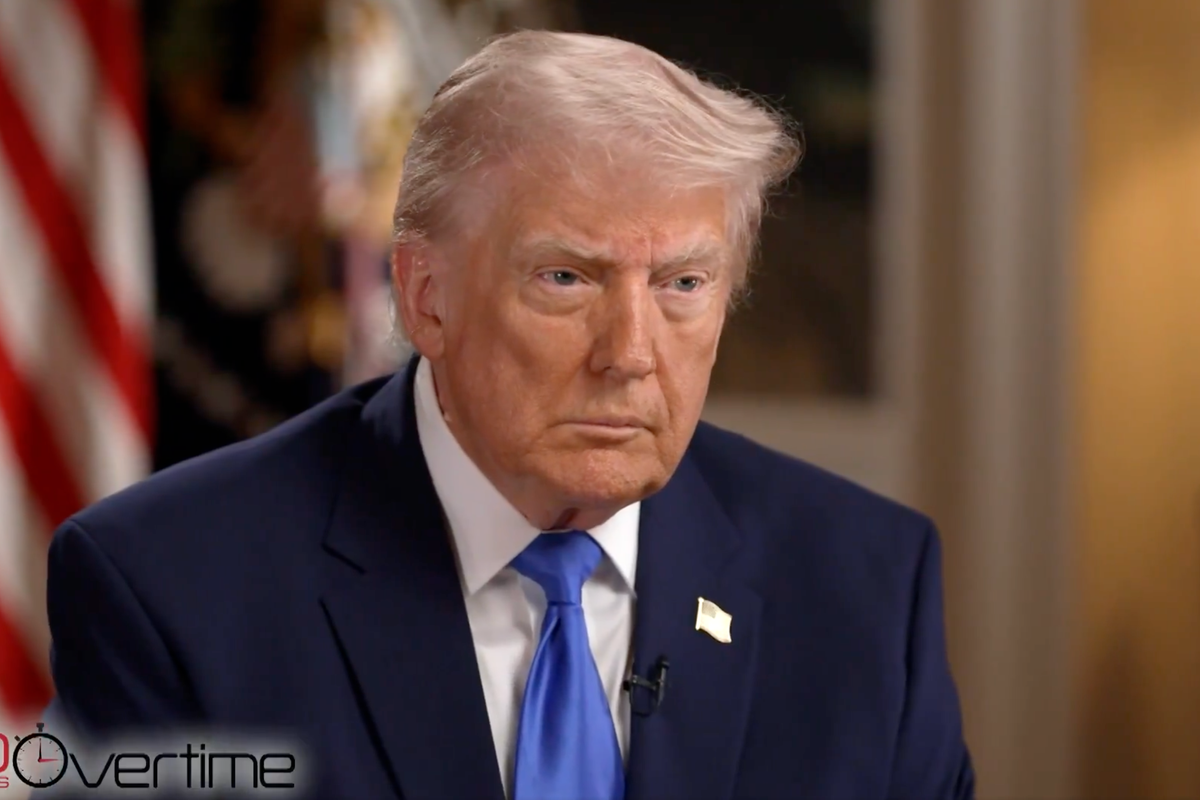
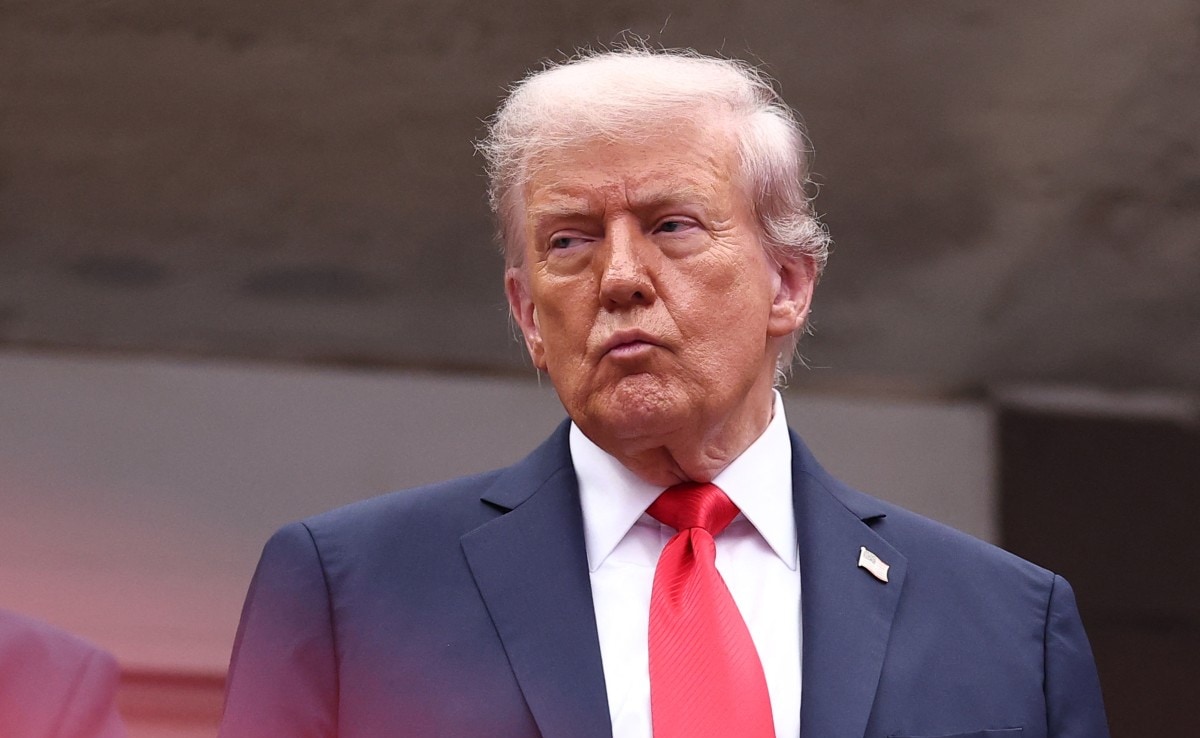
Most analysts suffer from the "Rational Actor" fallacy. They assume that if Trump meets with advisors, it’s a linear progression toward a strike. It’s not. In the world of high-stakes diplomacy, movement is often a substitute for action.
The "lazy consensus" suggests that Iran and the U.S. are two locomotives on a single track. This ignores the Incentive Structure of Perpetual Friction.
War is expensive, messy, and kills political capital. Friction, however, is profitable. It keeps defense budgets high, it keeps oil prices volatile enough for traders to make a killing, and it provides a convenient "External Enemy" for domestic distraction. When the President meets with the Joint Chiefs, he isn't looking for a way to start a war; he’s looking for a way to look like he’s about to start a war without actually footing the bill.
Why the "Advisors" are Useless
We talk about "Security Advisors" as if they are monolithic fonts of wisdom. They aren't. They are bureaucrats with competing agendas.
- The State Department wants to keep the seat at the table.
- The Pentagon wants to test hardware without losing it.
- The Intelligence Community wants to justify their black-budget surveillance.
When you put these people in a room, you don't get a "strategy." You get a compromise. Usually, that compromise is a "proportional response" or a new set of sanctions—the international version of a strongly worded HR memo.
I’ve spent years watching how these policy cycles rotate. The "Security Summit" is a performance. It's meant to signal "resolve" to the public and "restraint" to the markets. If the administration actually intended to go to war, you wouldn’t see a report about the meeting on the news. You’d see the fuel tankers moving in the Mediterranean forty-eight hours before the first Tomahawk left the tube.
The Sanctions Trap: A Failed Metric of Success
People ask, "Will more sanctions stop the war?" This is the wrong question.
Sanctions are the war. They are a low-intensity conflict that targets the middle class of the adversary while leaving the ruling elite—the very people making the "war" decisions—untouched.
We have this delusion that if we just squeeze the Iranian Rial hard enough, the Iranian Revolutionary Guard Corps (IRGC) will suddenly decide to take up gardening. It’s the opposite. Economic isolation gives the IRGC total control over the black market. We aren't weakening the regime; we are giving them a monopoly on the only economy left.
The Mathematical Impossibility of a "Limited" Strike
The "Insiders" love to talk about "surgical strikes." This is a fantasy.
Let's look at the physics of the region. Iran is a fortress of geography.
$$Force_{req} = \frac{Mass \times Acceleration}{Resistance}$$
In this case, the "Resistance" is a decentralized network of proxies across Lebanon, Iraq, Yemen, and Syria. You cannot have a "limited" strike on Iran because their entire defense strategy is built on Asymmetric Escalation. If you hit a facility in Natanz, they don't hit a carrier; they shut down the Strait of Hormuz.
Closing the Strait of Hormuz for even 72 hours would send global shipping rates into a vertical climb. Insurance premiums for tankers would triple overnight. The "Security Summit" knows this. They aren't discussing how to win; they are discussing how to avoid the total collapse of the global supply chain that would follow a single "surgical" mistake.
The Trump Variable: Chaos as a Feature
The mistake every "credible" news outlet makes is trying to apply a standard neoconservative framework to Trump’s foreign policy. They think he follows the Bush or Obama playbook.
He doesn't. Trump’s strategy is Volatility as Deterrence.
By being unpredictable, he forces the adversary to over-prepare for every scenario, which drains their resources. The meeting today isn't about planning a strike. It's about ensuring the threat of a strike remains credible enough to force a better deal. It is the "Art of the Deal" applied to theater of war, and the media falls for the bait every single time.
The Brutal Reality of the "People Also Ask"
Is war with Iran inevitable?
No. It’s actually unlikely. Inevitability is a tool used by lobbyists to secure funding. Both sides know that a full-scale kinetic conflict ends in a stalemate that bankrupts everyone involved.
Why is the U.S. meeting with advisors now?
Because the "Status Quo" has become too quiet. In this game, if there isn't a crisis, you lose your leverage. You create the meeting to create the tension. The tension is the product.
What happens to the price of oil?
It will spike based on the rumor of the meeting, then settle once everyone realizes no one actually pulled a trigger. If you want to make money, stop trading the news and start trading the predictable boredom that follows these "high-stakes" summits.
Stop Watching the Room, Watch the Money
If you want to know what's actually happening, ignore the White House Press Corps. Watch the troop rotation schedules in CENTCOM. Watch the movement of B-52s to Diego Garcia. Most importantly, watch the "War Risk" premiums in the Lloyd's of London insurance market.
The people who actually have skin in the game—the insurers and the logistics titans—aren't panicking. They know that a "Security Summit" is just another Tuesday in Washington.
The danger isn't that these men will start a war. The danger is that they will continue this cycle of expensive, performative tension indefinitely, wasting billions of taxpayer dollars to maintain a "crisis" that serves no one but the consultants and the defense contractors.
You are being sold a drama. The reality is a bureaucracy. Stop falling for the script.