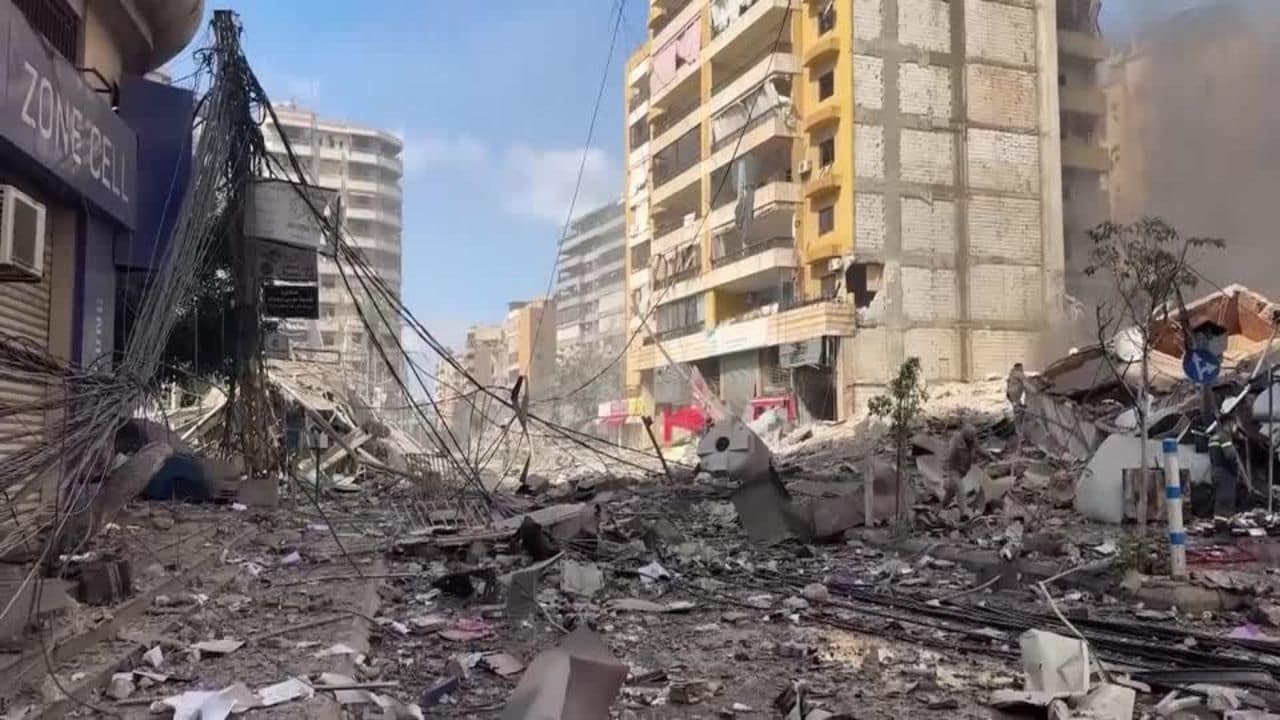
The smoke hasn’t even cleared from the latest round of Israeli strikes, and the diplomatic world is already buzzing with the same tired question. When will they sit down and talk? If you’re looking for a quick handshake or a ceasefire agreement, don’t hold your breath. Iran’s leadership just made it very clear that peace talks are off the table. They’re calling the idea "unreasonable" and "pointless." It’s a blunt rejection that signals a dangerous shift in the Middle East.
This isn't just about a single military operation. It’s about a total breakdown in trust. When one side hits the other’s soil, the person being hit rarely wants to discuss terms. They want to show strength. Tehran is looking at the current map and seeing zero reason to play along with Western-backed diplomacy. They feel cornered. And a cornered power doesn't usually sign peace treaties.
The Logic Behind the Rejection
Iran's refusal to talk isn't just a temper tantrum. It’s a calculated move. Following the Israeli strikes that targeted military sites and air defense systems, the Iranian government had to make a choice. They could look like they were begging for a way out, or they could double down. They chose the latter.
Look at it from their perspective. If they enter talks now, they do so from a position of perceived weakness. The strikes caused real damage. While the official line from Tehran tries to downplay the impact, the reality is that their "impenetrable" defenses were breached. Entering negotiations while your infrastructure is still smoldering feels like a surrender. To the hardliners in the IRGC, that’s a non-starter.
There’s also the issue of the mediators. Iran doesn't trust the United States to be a fair broker. They see the U.S. and Israel as two sides of the same coin. When Washington calls for "restraint" but continues to supply the munitions used in the strikes, Tehran sees hypocrisy. Why talk to the middleman when the middleman is funding the guy hitting you? It makes the entire diplomatic process look like a theater.
What the Strikes Actually Accomplished
Israel’s operation wasn't just a random act of aggression. It was a surgical message. They bypassed Russian-made S-300 systems and hit facilities involved in missile production and drone manufacturing. This hit Iran where it hurts most—their ability to project power through proxies like Hezbollah and the Houthis.
- Air Defense Gaps: The strikes exposed massive holes in Iran’s ability to protect its own airspace.
- Manufacturing Delays: Targeted hits on planetary mixers used for solid fuel missiles mean it’ll take months, maybe years, to replace lost inventory.
- Psychological Impact: The message was "we can reach you."
This puts the Iranian leadership in a bind. They need to project an image of "all is well" to their own people. If they admit the damage was severe, they look incompetent. If they talk peace, they look scared. So, they call the talks unreasonable. It’s the only rhetorical shield they have left.
The Proxy Problem is Getting Messy
You can’t talk about Iran and Israel without talking about the "Ring of Fire." Iran has spent decades building a network of armed groups around Israel. Now, that network is frayed. Hezbollah is decapitated. Hamas is fighting for survival in tunnels. The Houthis are being bombed by a coalition.
Tehran uses these groups as leverage. In a normal negotiation, you trade your influence over these groups for sanctions relief or security guarantees. But right now, Iran's leverage is at an all-time low. If they go to the table today, they have very few cards to play. They’re waiting. They want to rebuild their proxies or wait for a shift in global politics before they even consider a meeting.
The Misconception of an Immediate War
Everyone is panicking about World War III. Chill out for a second. Neither side actually wants a full-scale, boots-on-the-ground war. Iran knows it can’t win a conventional war against Israel and the U.S. combined. Israel knows that a total war would mean thousands of missiles raining down on Tel Aviv, causing economic ruin.
What we’re seeing is "gray zone" warfare. It’s a constant back-and-forth of strikes, cyberattacks, and assassinations. When Iran says peace talks are unreasonable, they aren't necessarily saying "we want total war." They’re saying "the current rules of the game don't favor us, so we’re changing the game."
They’re likely going to focus on internal security and potentially accelerating their nuclear program. That’s the real "red line." If Iran decides that conventional diplomacy is dead, the nuclear option becomes their only survival insurance policy. That’s the part that should actually keep you up at night.
Why the West Keeps Getting it Wrong
Diplomats in DC and Brussels keep trying to apply Western logic to a Middle Eastern stalemate. They think if they offer enough "carrots"—like frozen asset releases or trade deals—Iran will bite. But they’re ignoring the "honor" factor. In this region, saving face is often more important than the GDP.
You don't bomb someone's house and then expect them to come over for dinner the next night to discuss the property line. It’s basic human psychology. Yet, we see the same cycle every time. Strike, call for peace, rejection, repeat. It’s a broken record that costs lives.
What Actually Happens Next
Don't expect a sudden peace summit in Qatar or Switzerland. Instead, watch for these specific shifts over the next few months.
- Increased Cyber Warfare: Since direct military strikes are risky, expect both sides to lean heavily into hacking. Infrastructure, banks, and government databases are the new front lines.
- Nuclear Posturing: Iran will likely announce new "technical advancements" in their enrichment process. It’s a bluffing tactic to force the West to offer better terms.
- Domestic Crackdowns: Whenever the Iranian regime feels external pressure, they tighten the noose at home. Expect more arrests and harsher crackdowns on dissent to prevent a revolution from within while they’re distracted by Israel.
The "unreasonable" label isn't a permanent "no." It’s a "not now." Iran is waiting to see who wins the next U.S. election. They’re waiting to see if Hezbollah can regroup. They’re waiting for the world to get bored of the conflict so they can rebuild in the shadows.
If you’re tracking this, stop looking for headlines about "peace." Look for headlines about "shipments," "enrichment," and "missile tests." Those are the real indicators of where this is going. The rhetoric about peace talks is just noise. The silence in the aftermath of the strikes tells the real story. Iran is licking its wounds and planning its next move, and it won't involve a handshake.
Keep your eyes on the Strait of Hormuz. If things get truly desperate for Tehran, they’ll try to choke the world's oil supply. That’s their ultimate "reset" button. Until then, we’re stuck in this violent limbo where words mean nothing and drones mean everything.