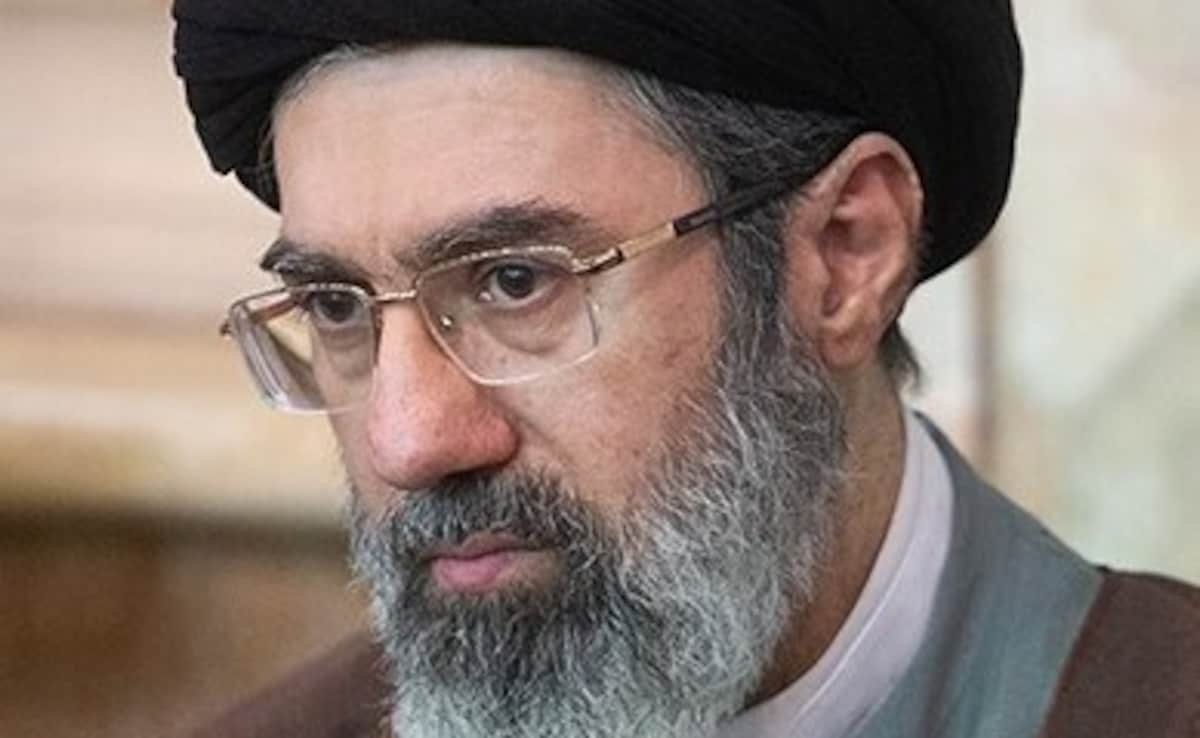
Iran's supreme leader is running the country like a 19th-century shadow boss. Recent CBS News reports dropping fresh intelligence details show Mojtaba Khamenei has vanished into an undisclosed secure location. He isn't using a smartphone. He isn't logging into secure video chats. He relies entirely on a labyrinth of human couriers to get things done, and honestly, it's throwing the ongoing peace negotiations with the United States into total chaos.
If you want to understand why peace talks between Washington and Tehran are dragging, you have to look at this bizarre communication breakdown. It isn't just that the Iranian government is playing hardball. It's that the Iranian negotiators, even those authorized to cut a deal with the Trump administration, literally cannot reach their own boss.
The Logistics of Running a State via Courier
When the U.S. team passes a proposal across the negotiating table, it doesn't get emailed to Tehran for a quick review. It enters a human chain. Messages travel through multiple layers of intermediaries designed specifically to hide where Mojtaba Khamenei is staying. By the time a document physically lands in front of him, the data is already old.
American intelligence officials note that every response coming out of the supreme leader's bunker suffers from massive latency. You hear public statements from Iranian officials saying things like "the supreme leader has agreed to the framework," but behind the scenes, they are just waiting days or weeks for the next hand-delivered note. Khamenei only issues broad guidelines to his team. He tells them what topics are completely off-limits and what they can talk about, leaving zero room for real-time adjustments during high-stakes diplomatic meetings.
This isn't an efficient way to run a country under pressure, but for Khamenei, survival trumps efficiency.
Why the Tech Boycott Is Real
You might wonder why a modern state leader doesn't just use high-grade encryption. The answer lies in the devastatingly effective U.S. and Israeli intelligence penetration inside Iran. During the initial phases of the conflict—under Operations Roaring Lion and Epic Fury—allied intelligence pinpointed and neutralized a significant portion of Iran's veteran leadership.
The most brutal blow came on February 28, when an airstrike killed the former supreme leader, Ayatollah Ali Khamenei. Mojtaba survived that exact same strike but suffered severe facial and leg injuries. After his ascension to the top spot in March, he clearly realized that any electronic signature, no matter how secure, is a death warrant.
National security experts are already comparing this strategy to the old Osama bin Laden playbook. After the 2001 attacks, bin Laden spent a decade hiding in Abbottabad by cutting off the grid entirely. He relied on a pair of trusted brothers to transport flash drives and handwritten letters. Khamenei has adopted the exact same logic. The moment you transmit a wireless signal from a bunker, you give advanced tracking algorithms something to lock onto.
Bunkers, Sitcoms, and a Broken Government
The paranoia doesn't stop at the top. The intelligence reports paint a picture of a government paralyzed by fear. Most senior Iranian officials are spending weeks at a time holed up inside fortified underground bunkers, mostly around religious centers like Qom or Guard bases.
They aren't just hiding from external airstrikes; they are avoiding each other. Direct communication among top brass has slowed to an absolute crawl. One U.S. official described the situation inside the Iranian establishment as looking like a sitcom. You have ministers and military commanders completely exasperated because they can't quickly coordinate standard state affairs.
This extreme isolation has created a distinct shift in how Iran is actually governed right now. Because Mojtaba Khamenei is tied up in his own security apparatus and still recovering from his physical injuries, he isn't running the day-to-day operations with the centralized iron fist his father used. Instead, operational power has quietly drifted toward senior commanders within the Islamic Revolutionary Guard Corps (IRGC). Prime Minister Benjamin Netanyahu recently remarked that while the younger Khamenei is trying to assert his authority, his actual grip on the state machinery is weaker than his predecessor's.
The Hidden Costs of Total Secrecy
Going completely dark keeps you alive, but it strips away your ability to project strength. A supreme leader relies heavily on public image, Friday sermons, and visible leadership to maintain domestic control. Mojtaba hasn't been seen alive in public since the war started. While state media regularly pumps out written statements attributed to him, the lack of a physical presence fuels constant rumors about his health and stability.
For the outside world, this operational invisibility means dealing with a fractured state. When you negotiate with Iran right now, you aren't talking to a unified entity. You are talking to frustrated intermediaries who are terrified of their own shadows and waiting on a dated piece of paper from a hidden bunker.
If you are tracking these geopolitical movements, look past the official press releases coming out of Tehran. Watch the response times on diplomatic proposals. The real indicator of Iran's next move isn't what their spokespeople say on television; it's how long it takes a courier to walk a piece of paper back to the negotiating table.