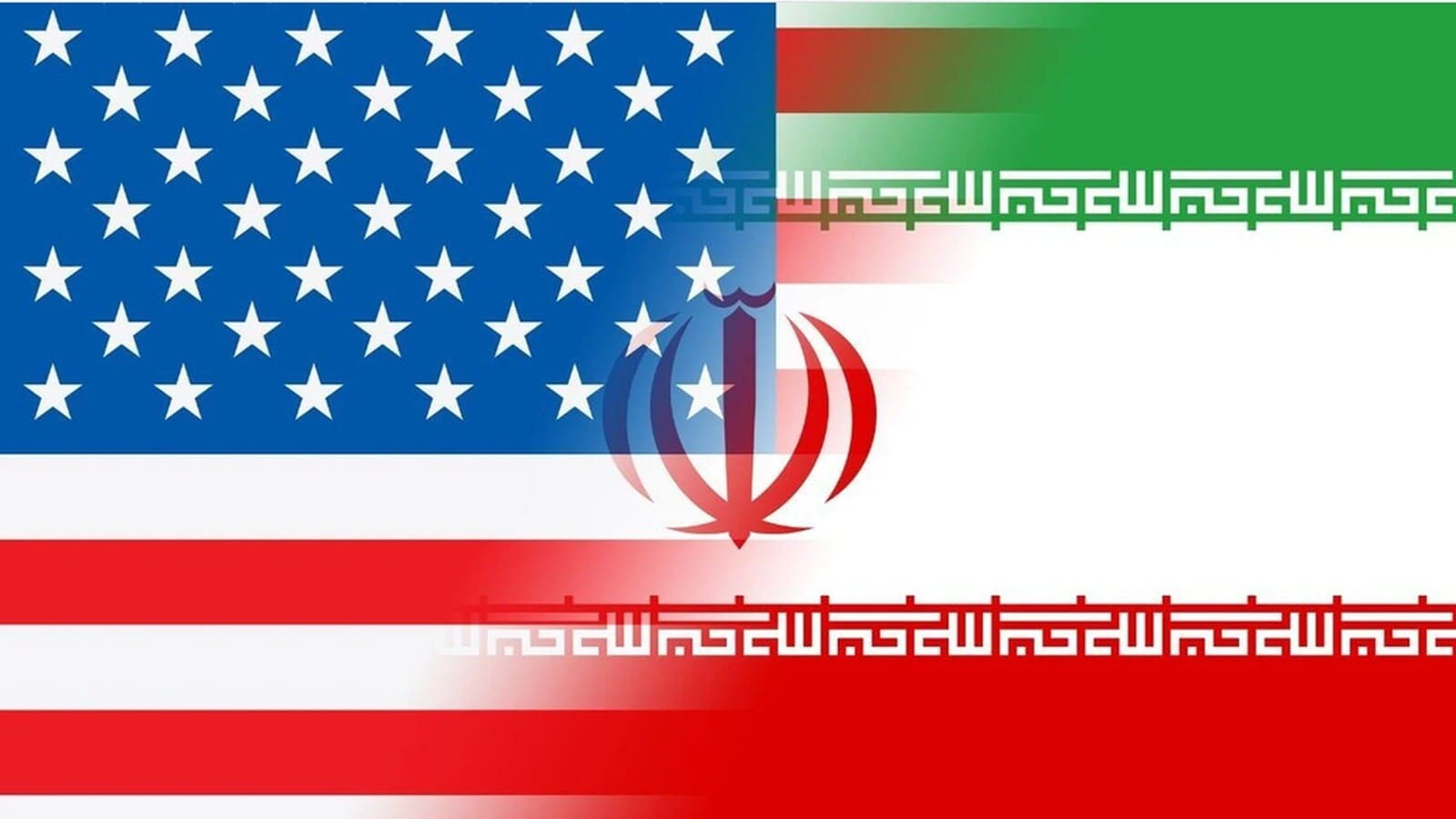
International diplomacy in the Persian Gulf has hit a brick wall. While mediators in Doha push hard for an interim framework to reopen the critical Strait of Hormuz, Tehran's position on its atomic infrastructure remains completely immovable. Iranian leadership has made it clear that no matter what economic carrots Washington or regional brokers dangle, not a single particle of enriched nuclear material is leaving the country.
If you're trying to figure out why a breakthrough in one of the world's most vital shipping lanes hasn't translated into a grand nuclear bargain, you have to look past the optimistic press releases. The truth is that Tehran views its nuclear program and the maritime blockade through two entirely different lenses.
The Core Misunderstanding in Washington
Western policymakers often assume that economic strangulation will force a total capitulation. When the United States reimposed its naval blockade and pushed oil exports down, the calculation was simple: pressure would break Iran's resolve.
It didn't work that way. Instead of folding, Iranian security chiefs have doubled down. Mohsen Rezaei, secretary of Iran's Supreme National Security Council, stated flatly that Tehran will not remove a single ounce of its enriched inventory.
Part of this stubbornness comes down to domestic survival. Giving up enriched uranium under direct foreign pressure is viewed by hardliners in Tehran as an existential defeat. They've watched neighbors tumble after making major concessions to Western powers, and they refuse to follow that script.
The Strait as Leverage
While nuclear assets are treated as non-negotiable sovereignty, the Strait of Hormuz is treated purely as tactical leverage. Qatar's proposed seven-point roadmap offers a clear path: reopen the waterway, ease economic restrictions, unfreeze billions in foreign assets, and scale back regional hostilities.
Tehran has signaled conditional openness to parts of this plan. A two-day operational sequence has even been floated to clear traffic and restore normal tanker flow. But there is a massive catch. Iran insists that the economic blockade must lift and sanctions must disappear before it signs away its defensive positioning.
Washington faces a brutal dilemma. President Trump has publicly shrugged off the need for a comprehensive deal, declaring that the U.S. doesn't require an agreement while simultaneously watching tankers face ongoing disruptions near the Gulf.
What This Means for Global Markets
Global energy flows depend heavily on this narrow strip of water. Roughly a fifth of the world's liquefied natural gas and millions of barrels of crude pass through those vital coordinates daily. When commercial traffic halts or tankers report projectile strikes, shipping insurance skyrockets and energy markets convulse.
Yet, treating this crisis as a simple negotiation misses the deeper reality. Tehran isn't looking for a quick compromise that leaves its security compromised. Until the conversation shifts from total disarmament to mutual de-escalation, the standoff in the Gulf will remain locked in limbo.


