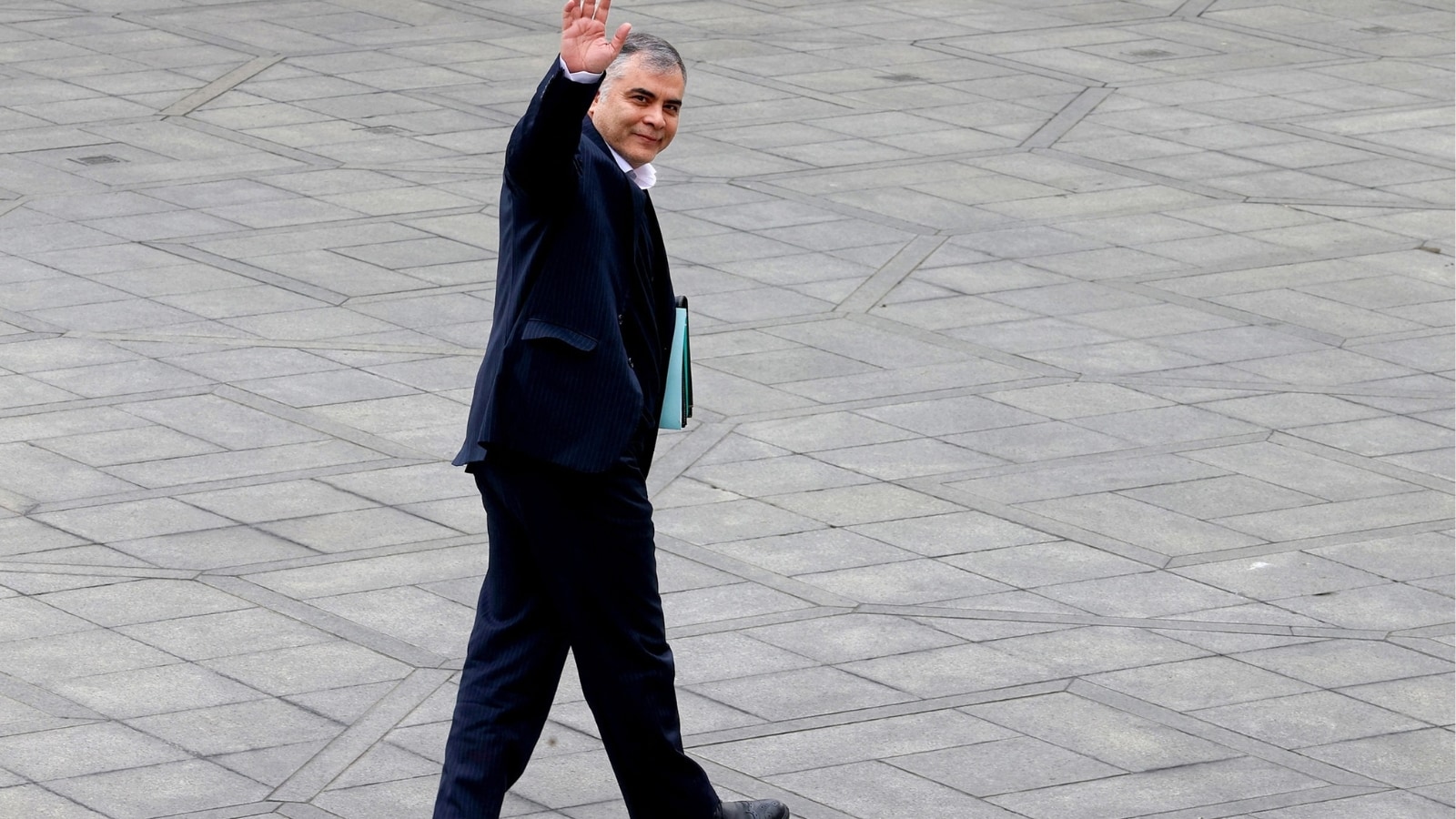
Official state announcements love using clean phrases. When Mohsen Paknejad stepped down as Iran's oil minister, state media trotted out the classic bureaucratic shield: "personal reasons."
Nobody in energy markets bought it. Don't forget to check out our earlier coverage on this related article.
You don't walk away from running an OPEC nation's energy sector just because you want to spend more time gardening. Not when your country's currency is cratering, US sanctions are choking the life out of your maritime shipping, and an aggressive naval blockade has pushed your primary export revenue to its absolute limits. Paknejad's exit tells a much larger story about what happens when high-level economic management meets geopolitical brick walls.
The Pressure Cooker Inside Tehran
Let's look at what was actually happening on the ground before the resignation dropped. Paknejad took over the oil portfolio with hopes of keeping petroleum flowing through heavy economic weather. But the math stopped working. If you want more about the background here, The Guardian offers an excellent summary.
Washington tightened the screws with severe restrictions, effectively turning up the heat on Iran's crude shipments. When exports dry up, state budgets implode. Domestic salaries lose their purchasing power, factory workers take to the streets in protest, and the people sitting in the ministry chairs become instant scapegoats for systemic failure.
State television can broadcast phrases like "personal reasons" until everyone is blue in the face, but the timing is glaring. When you're standing in the middle of an escalating economic storm with zero good options left on the table, resigning starts looking like the only exit strategy that doesn't involve a firing squad or a public humiliation campaign.
Stepping Into the Void
With Paknejad out of the picture, President Masoud Pezeshkian didn't waste any time handing the steering wheel to someone else. Hamid Bovard, who was managing the National Iranian Oil Company (NIOC), got pushed into the caretaker role.
Bovard inherits a complete mess. You aren't stepping into a growth industry when you take over Iran's oil sector right now. You're stepping into crisis management mode. Every tanker movement is tracked, every transaction requires dodging international intelligence, and domestic pressure is boiling over into civil unrest.
The immediate question isn't whether Bovard can increase production quotas. The real question is how long anyone can survive in a ministry where technical competence takes a backseat to survival politics.
What This Means for Global Markets
Energy traders tend to shrug off ministerial changes in Tehran because Iranian exports are already heavily sanctioned. But this departure signals something deeper than routine bureaucratic turnover. It highlights internal fractures at the highest levels of the Iranian government as officials point fingers over who is to blame for the deteriorating financial state.
When cabinet ministers bail out during a crisis, policy coherence vanishes. Hardliners and moderates clash over whether to dig in or look for diplomatic lifelines, leaving technocrats caught in the crossfire. If leadership keeps cycling through temporary appointees, long-term infrastructure planning becomes impossible.
The official narrative will stay focused on personal matters. Don't let the phrasing fool you. This was a bailout from a collapsing ship.