The coffee in the cockpit was already cold. At thirty-five thousand feet, the world below is a slow-moving quilt of charcoal hills and silver rivers, beautiful and deceptive. But the real danger never lives up there in the blue. It lives down here, wrapped in concrete and fluorescent light, where tired eyes stare at glass screens and count down the minutes until shift change.
I know that room. Or at least, I know the weight that sits on the shoulders of the people inside it.
Picture a dark, quiet hall hummed over by the low-frequency drone of electronics. Dozens of glowing green lines trace the invisible highways of the sky. To the passenger reading a thriller in seat twelve-B, the flight is a steady hum of jet engines and the pleasant promise of a vacation. To the air traffic controller, that same flight is a moving pixel. A life. A variable. One of twenty moving targets demanding split-second math while a coffee cup sits half-empty and the phone rings with news that another colleague has called in sick.
Panic is a luxury nobody down there can afford. Fatigue, however, is a quiet predator.
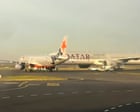
Consider what happened at Sydney Airport not long ago. A Jetstar flight and a Qatar Airways aircraft found themselves dancing too close to comfort. A near-miss. Dry words on a news ticker. Bureaucratic terminology that sanitizes the sheer terror of two multi-ton tubes of aluminum hurtling toward the same patch of airspace.
Reports quickly trickled out through the noise of daily updates. Not enough air traffic controllers.
That phrase sounds administrative. It sounds like a budget shortfall on a spreadsheet. It sounds like a temporary inconvenience that can be solved by shuffling a few columns around. It is none of those things. When you strip away the official inquiries and the cautious statements from aviation authorities, a shortage of controllers is a cracked foundation. It means people working double shifts. It means mandatory overtime swallowing weekends, birthdays, and the basic human right to sleep. It means a human brain, taxed past its biological limit, trying to track lateral separation speeds while operating on four hours of restless shut-eye.
We have built a global transit network that relies on perfection from mortals.
For decades, the system hummed along because of an unwritten contract. The public traded their safety for a ticket, trusting that an invisible army of professionals was standing guard. And for the most part, they were. Controllers are a proud breed. They are hyper-focused, fiercely competitive with themselves, and acutely aware that their primary job requirement is zero mistakes. You cannot patch a mid-air collision. You cannot hit the undo button at five hundred knots.
Yet, the cracks are widening.
Ask any veteran controller about staffing levels, and you will not get a policy brief. You will get a long, heavy sigh. Training a new controller takes years. It is not something you can fast-track with an online course or a weekend seminar. It requires a specific kind of cognitive architecture—the ability to hold a three-dimensional mental map of the sky while processing rapid-fire verbal instructions and filtering out irrelevant noise. Washout rates are notoriously high. The pipeline is narrow by design.
When experienced controllers burn out and walk away, they take institutional memory with them. They take the quiet intuition born from decades of handling severe weather, sudden mechanical failures, and unexpected medical emergencies.
When replacements cannot be trained fast enough to fill the void, the math breaks.
The near-miss in Sydney was not an isolated anomaly. It was a warning shot. It was the system screaming for help in the only way it knows how before a tragedy forces the issue.
We look at aviation accidents through a retroactive lens. We wait for the smoking crater, the black box recording, the tearful congressional hearings, and the solemn promises that things will change. We treat safety as a reactive expense rather than a proactive baseline. We wait until the worst happens, and then we act shocked that the warning signs were flashing red for years.
The passengers on those planes in Sydney landed safely. They walked through the terminals, grabbed their luggage, hugged waiting family members, and complained about the traffic on the drive home. Most of them never knew how close the margin had actually become. They didn't see the frantic recalibration on the radar scope. They didn't hear the sharp intake of breath in the tower.
They just went on living.
That is the hidden irony of modern travel. The better the system works, the more invisible it becomes. When everything goes right, nobody notices the monumental effort required to keep it that way. We only notice the machinery when the gears grind to a halt or, worse, collide.
Fixing this does not require a minor tweak. It requires an honest reckoning with the cost of our obsession with constant expansion. Airlines push for more routes, more flights, more departures squeezed into tighter windows to maximize profit. Airports hustle to accommodate the volume. But the human element at the center of the wheel cannot be scaled infinitely. A human brain needs rest. A workforce needs breathing room.
Until we value the mental health and well-being of the people holding the pen as much as we value the price of an economy ticket, those green lines on the radar will keep getting a little too close for comfort.
The sky is vast. The margin for error is razor-thin. And down in the dark, the phone is ringing again.


