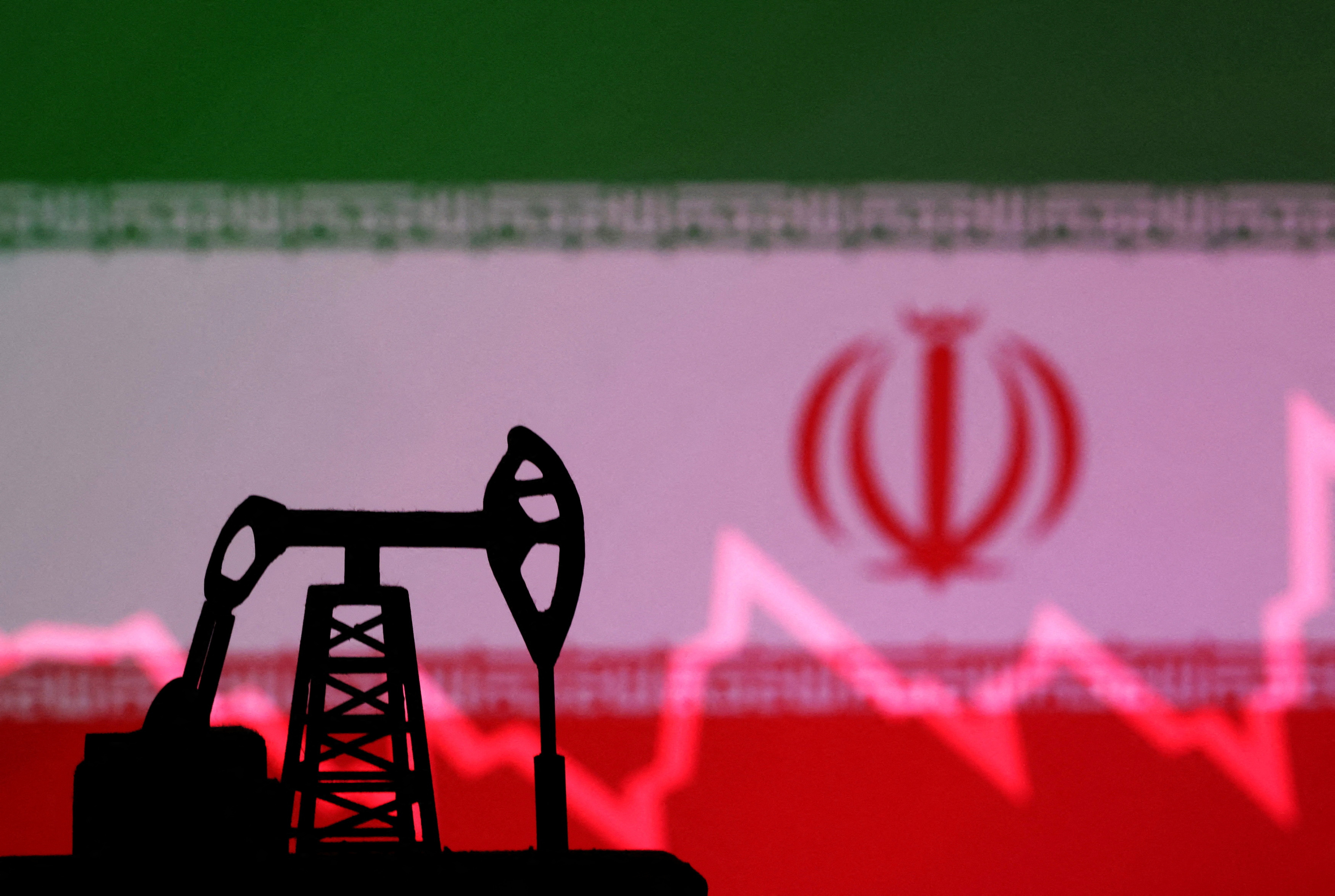
The timing was more than just fortunate. It was surgical. On March 22, 2026, minutes before a Truth Social post from the President delayed planned military strikes on Iranian energy infrastructure, a flurry of activity hit the crude oil futures market. Over $500 million in bets were placed in a narrow window, precisely anticipating the 10% price collapse that followed. This wasn't a retail trader playing a hunch. This was a institutional-grade strike executed with the confidence of someone who already knew the ending of the story.
Regulators are now forced to confront a reality they have spent years trying to avoid. The intersection of high-frequency trading and social-media-driven policy has created a vacuum where traditional insider trading laws struggle to gain traction. When a single post can wipe billions off a sector’s market cap, the gap between the draft and the "Send" button becomes the most valuable real estate on Wall Street.
The Sixteen Minute Window
At 6:49 a.m. EST, the volume in oil and equity futures surged to nine times its daily average. The trades were directional, aggressive, and highly specific. They didn't just bet that oil would drop; they bet that equities would simultaneously rebound, a dual-play that mirrors the exact market reaction to a de-escalation of conflict. Sixteen minutes later, the post went live.
Federal investigators at the SEC and CFTC are now tracing the digital breadcrumbs of these positions. The challenge is not just identifying the accounts, but proving the link between the trade and the source of the information. In the age of encrypted messaging and disparate global offices, the "smoking gun" is rarely a leaked document. It is usually a pattern of behavior that defies statistical probability.
Algorithms and the Ghost in the Machine
One defense likely to be mounted is the "algorithmic coincidence." Modern trading bots are programmed to scan for geopolitical tension, satellite imagery of troop movements, and even the sentiment of mid-level diplomatic cables. However, seasoned analysts argue that an algorithm reacting to public data cannot account for the sheer size of the March 22 positions.
- Size: A $500 million position requires significant liquidity and risk tolerance.
- Conviction: The trades were not hedged, suggesting the actors were certain of the outcome.
- Latency: The execution happened before any mainstream news outlet or intelligence aggregator picked up a shift in the administration's stance.
If these trades were purely the result of "smart" software, then the software has become more psychic than predictive.
The Regulatory Blind Spot
While the Financial Industry Regulatory Authority (FINRA) has recently moved to modernize day-trading rules, their focus has largely been on retail participation. The real danger remains in the "dark pools" and offshore futures exchanges where massive positions can be built without the immediate transparency required on the Nasdaq or NYSE.
The SEC has been historically hesitant to go after trading linked to executive communications. The legal threshold for "material nonpublic information" becomes murky when the information is held by a political figure rather than a corporate executive. If a CEO trades ahead of an earnings report, the case is clear-cut. If a hedge fund trades ahead of a presidential policy shift, the defense often pivots to "political intelligence"—a legal gray area where lobbyists and analysts sell their "best guesses" about what the administration will do next.
The Shell Game of Ownership
Tracing the beneficial owners of these trades is a task that often takes years. Investigators must peel back layers of offshore holding companies and nominee accounts. In previous anomalies—such as those preceding the 2025 tariff pauses—the trail often went cold in jurisdictions with strict bank secrecy laws.
The current investigation is looking for a specific type of footprint: a connection to the "Truth.Fi" ecosystem or the broader fintech web that the Trump Media & Technology Group (TMTG) has been weaving. While there is no direct evidence linking the company’s internal operations to the trades, the proximity of the platform’s growth to these market-moving events is under intense scrutiny.
The Cost of Silence
For the average investor, this isn't just a story about high-finance corruption. It is about the fundamental fairness of the market. When $500 million moves ahead of the news, the liquidity is being sucked out of the system by those with an unfair advantage. The retail trader, seeing the news and reacting at 7:06 a.m., is essentially buying the very contracts that the insiders are selling to lock in their profits.
The integrity of the U.S. financial system relies on the belief that the "house" isn't rigged. If the most significant market shifts of the year are consistently preceded by "suspicious" but unprosecuted trades, the incentive for honest participation vanishes. We are seeing a transition from a market based on value to a market based on proximity to the source of the next headline.
The SEC's next move will define the next decade of enforcement. They can either treat this as a statistical anomaly or recognize it as a systemic leak that requires a total overhaul of how political intelligence is regulated. Anything less than a full, transparent disclosure of who made those trades on March 22 will be seen as a surrender. The market is waiting for an answer, but more importantly, it is waiting to see if anyone has the courage to ask the question in a room where it matters.