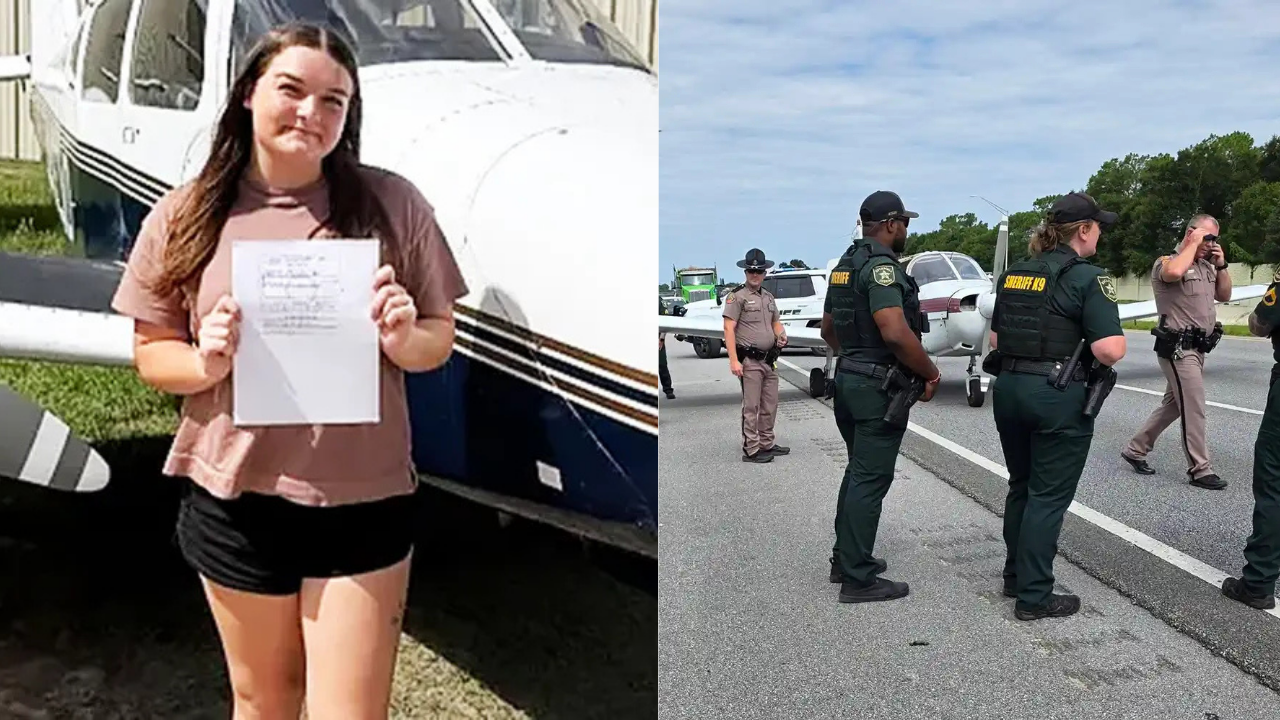
When a flight instructor brings a crippled single-engine aircraft down onto Interstate 10 during rush hour without clipping a single bumper or clipping a power line, the public calls it a miracle. Pilots call it the product of cold, calculated survival math.
A Florida flight instructor successfully touched down a disabled plane on a crowded interstate highway, avoiding catastrophic failure through sheer stick-and-rudder competence. But beneath the headline-grabbing spectacle of a Cessna or similar light aircraft sliding between semi-trucks and commuters lies a starker operational reality. Highway landings are not heroic improvisations born of sudden inspiration. They are the terrifying execution of a standardized emergency protocol that every certified pilot prays they never have to pull from the back of their mental filing cabinet.
Commercial and private aviation operate under strict safety margins, yet mechanical failure remains an unpredictable variable. When an engine dies at two thousand feet, the air is no longer a medium of flight; it is a fluid of physics. You drop like a stone unless you convert altitude into glide range.
The Physics of a Forced Descent
Every fixed-wing aircraft is a glider with an engine attached. When that engine quits, the fundamental mission changes from transportation to controlled crashing.
The primary metric governing an emergency dead-stick landing is the glide ratio. If a trainer aircraft has a glide ratio of nine to one, it means for every single foot of altitude lost, the plane travels nine feet forward. At three thousand feet, your maximum radius of survival is roughly five miles. Draw a circle on a sectional chart from that altitude, and your options shrink instantly.
If that circle contains dense treelines, residential housing developments, or jagged swamps—common topographical features across the Florida landscape—the math turns fatal.
Enter the highway.
An interstate highway provides a cleared, paved, linear corridor cutting directly through otherwise obstructed terrain. To an engine-out pilot, a ribbon of asphalt looks less like a commute and more like an unconventional runway. It is lit, relatively straight, and devoid of vertical obstacles like trees and cellular towers.
Yet, treating a public highway as an emergency landing strip introduces a nightmare of dynamic variables that standard flight school manuals gloss over. Power lines run parallel to nearly every major American road. Overhead sign bridges loom like steel guillotines. Traffic does not clear out simply because an aviator is having a bad Tuesday. Drivers rubberneck, slam on their brakes unpredictably, or fail entirely to hear a low-profile aircraft descending from behind them until the landing gear is practically skipping across their trunk.
Inside the Cockpit When the Fan Stops
Picture the sensory overload. The moment an engine seizes, the sudden transition from deafening mechanical roar to dead, whistling wind silence creates immediate cognitive dissonance.
In that split second, the pilot must execute the emergency checklist from memory while simultaneously scanning the ground for a viable vector.
- Airspeed: Maintain best glide speed religiously. Stall the aircraft while distracted by traffic patterns, and the recovery altitude vanishes.
- Engine restart: Attempt fuel pump activation, mixture adjustments, and magneto checks, all while descending rapidly.
- Mayday call: Broadcast position, altitude, and intentions on the emergency frequency, though air traffic control can do little more than clear the airspace and watch your transponder blink.
- Target fixation: Refuse to look at the obstacles you are trying to miss. Pilots look where they want to go; staring at a bridge support column guarantees a direct collision with it.
When the instructor in Florida locked eyes on Interstate 10, the decision window was likely measured in seconds. There was no time for panic. Panic consumes the working memory required to manage crosswinds, monitor ground speed versus true airspeed, and judge the closing distance of moving commercial vehicles.
Cars on an interstate travel at roughly seventy miles per hour. A light aircraft landing at roughly sixty to seventy knots approaches traffic from behind at a differential speed that requires precise timing. Touch down too fast, and you overrun vehicles. Touch down too slow, and you drop prematurely into a cluster of commuters.
The Regulatory Aftermath and Legal Gray Areas
Public perception frames highway landings as triumphs of human ingenuity. Federal Aviation Administration investigators and local law enforcement often view them through a much more bureaucratic, cautious lens.
Every emergency landing outside of an airport triggers a formal investigation. The National Transportation Safety Board wants to know why the engine failed—was it fuel contamination, maintenance neglect, or component fatigue? State troopers want to know why public infrastructure was compromised, property endangered, and traffic halted for hours.
Paradoxically, federal aviation regulations grant pilots wide latitude in emergencies. Under emergency authority clauses, a pilot in command may deviate from any rule to meet the immediate demands of safety. If landing on an interstate is the only way to prevent a fatal crash in a swamp, the regulation is on the pilot's side.
However, liability does not evaporate just because the landing was legal. Insurance companies face massive grey areas when aircraft touch down on public asphalt. Was there contributory negligence? Did the pilot push a known mechanical issue past safe thresholds before taking off?
These questions rarely make the evening news. The media prefers the cinematic frozen frame of a white-knuckled aviator standing safely beside their bird on the shoulder of a highway, accepting handshakes from astonished motorists.
Why Training Saves Lives, Not Luck
The reason this Florida incident ended without body bags comes down to instructional rigor. Flight instructors live in the right seat of aircraft with students who find creative new ways to try and kill them on every single flight.
A career instructor spends thousands of hours simulating engine failures, pulling throttle levers unexpectedly at low altitudes, and forcing students to make rapid, uncompromising decisions. That repetition builds a deep neurological pathway. When the real engine dies, the veteran instructor does not freeze; they simply run the mental software written through years of repetition.
We romanticize these events as miraculous exceptions. They are not. They are the predictable output of rigorous training meeting raw, unforgiving physics on a strip of concrete meant for cars.
The aircraft is tucked away now, awaiting engine teardown and structural inspection. The drivers have long since reached their destinations, posting blurry smartphone videos to social networks. But high above the asphalt, the math remains unchanged. Every time an engine coughs and dies, the pilot has only seconds to find a line through the chaos.