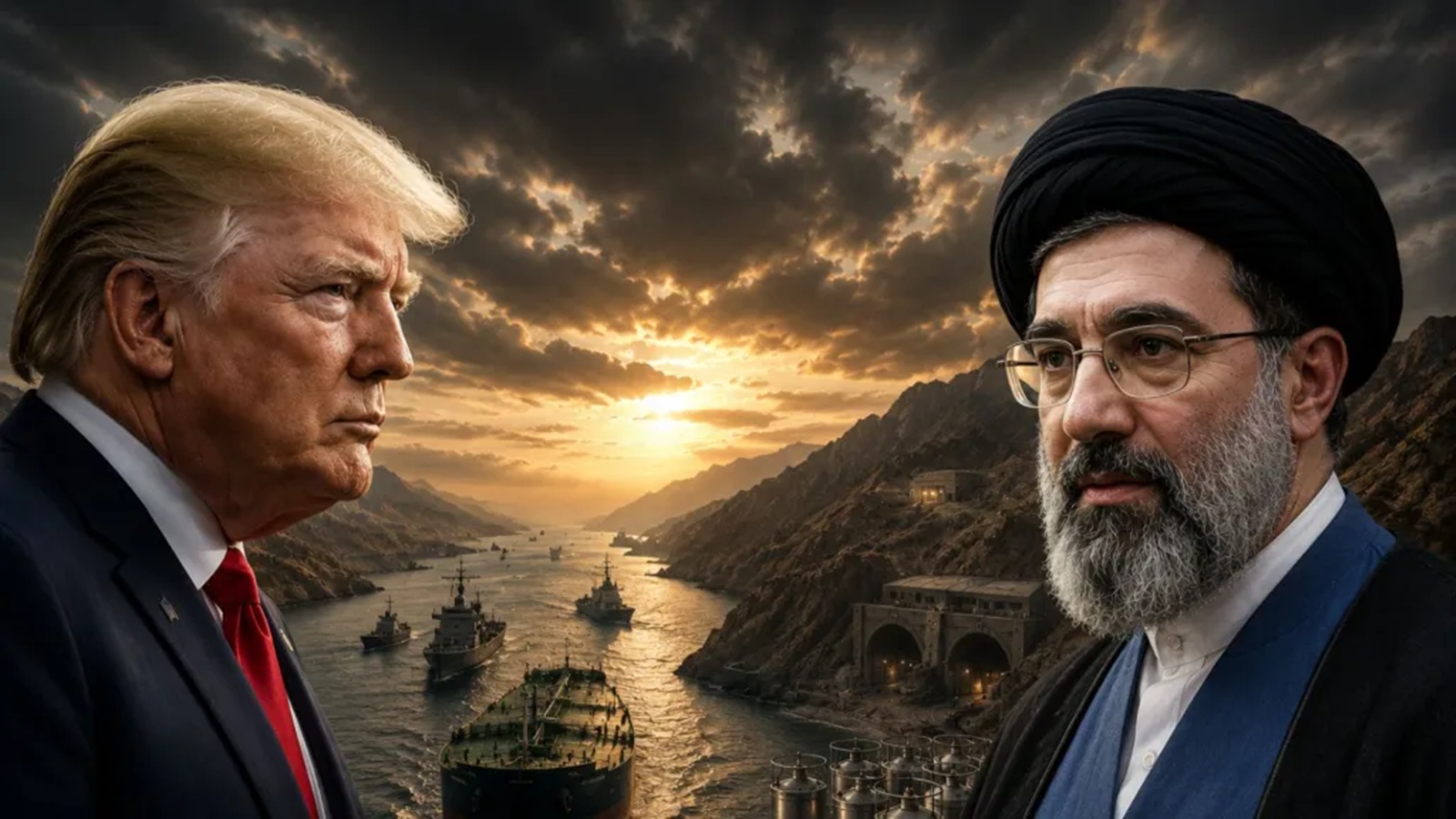
President Donald Trump has privately signaled to senior aides that his administration is prepared to conclude the military conflict with Iran without securing a comprehensive nuclear agreement, pivoting instead toward a narrow exit strategy centered entirely on the reopening of the Strait of Hormuz.
For months, Washington framed its intervention as an uncompromising campaign to permanently dismantle Tehran's atomic ambitions and safeguard global energy corridors. Behind closed doors, however, the political reality of mounting gasoline prices and looming midterm elections has forced a pragmatic recalibration. The White House now calculates that the destruction of three primary nuclear facilities last year has sufficiently delayed Tehran's capabilities, making a formal diplomatic pact secondary to restoring commercial tanker traffic through the world's most critical oil chokepoint.
Yet this calculated off-ramp faces severe structural resistance. Tehran has responded to Washington's desire for a quick disengagement by raising the diplomatic stakes, demanding billions of dollars in war reparations, the full withdrawal of American forces from the region, and an immediate end to the US naval blockade before a single commercial vessel is granted unhindered passage.
The Anatomy of a Strategic Retreat
The pivot away from a formal non-proliferation accord represents a stark departure from initial White House war aims. When hostilities erupted in February, the administration insisted that any lasting peace must permanently constrain Iran's nuclear enrichment supply chain.
Months of grueling, deadlocked diplomacy eroded that ambition. According to senior administration officials, the president has concluded that ongoing surveillance and the implicit threat of renewed kinetic strikes provide a sufficient deterrent against a clandestine dash for a weapon. In essence, the White House is betting that containment via destruction can substitute for verification via treaty.
This logic allows the executive branch to reframe a diplomatic stalemate as a military triumph. By focusing public messaging strictly on the free flow of maritime trade, the administration hopes to sidestep the intractable disputes over enrichment levels, centrifuge stockpiles, and inspection protocols that torpedoed past negotiations.
The Price of Passage
The core vulnerability in the emerging White House exit plan lies in Tehran's refusal to grant a cheap victory. The Strait of Hormuz remains Iran's primary instrument of asymmetric leverage. By blocking commercial shipping, Tehran has imposed sustained friction on global energy markets, weaponizing global economic anxiety to pressure Washington.
Rather than accepting a quiet restoration of maritime traffic, Iranian officials led by the Supreme National Security Council have codified an aggressive counter-demand list. Tehran is demanding the unfreezing of billions of dollars in sovereign assets, an end to all secondary sanctions, and a formal cessation of military operations against regional allied networks.
These demands create an acute political dilemma for the West Wing. Publicly, the administration has vowed that no taxpayer funds or unearned concessions will flow back to the regime. Privately, diplomats acknowledge that breaking the maritime deadlock will likely require finding a creative mechanism to release frozen financial liquidity. Without some form of economic relief, Tehran has little incentive to open the strait, leaving the White House trapped between its domestic political promises and the hard mechanics of negotiation.
The Domestic Clock
Time is an unforgiving variable in modern statecraft. With domestic fuel prices lingering well above pre-war baselines, the economic cost of an uncompromised maritime blockade is measured daily in voter discontent.
This domestic pressure explains the urgency behind the administration's desire to declare victory and pivot outward. When leadership begins signaling readiness to walk away from foundational strategic goals like a nuclear treaty, it is usually because the political cost of staying the course has surpassed the price of compromise.
Whether Tehran will allow the White House a clean exit remains the defining open question of the conflict. As backchannel talks stumble over demands for reparations and troop withdrawals, the margin for error narrows. The administration wanted a swift conclusion to a messy theater, but the adversary dictating the terms of the waterway's reopening intends to exact a heavy price for peace.