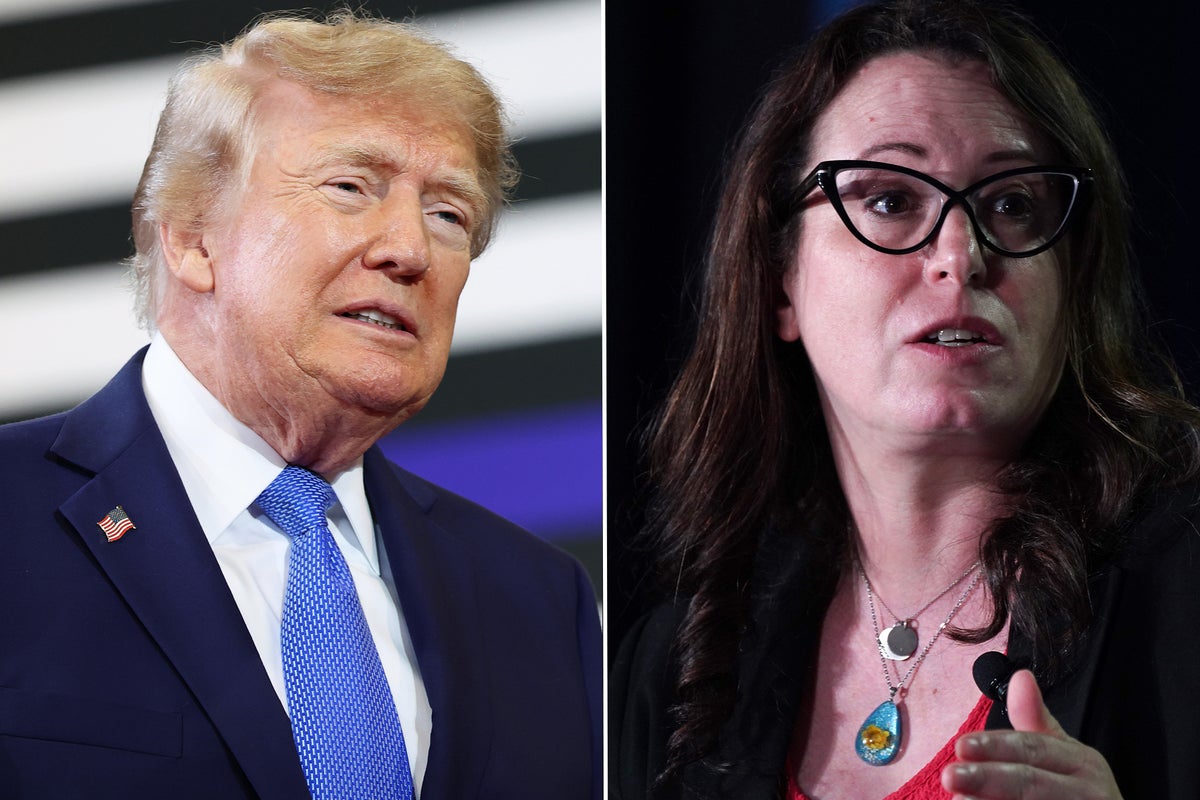
The predictable cycle of outrage over a politician's insults obscures a much deeper structural rot inside the modern political press corps. When Donald Trump launched a blistering attack on New York Times reporter Maggie Haberman, labeling her "unattractive both inside and out" over a piece detailing his scheduling plans for the 25th anniversary of September 11, mainstream outlets instantly defaulted to pearl-clutching. Cable news anchors took to social media to call the remarks "disgusting and beneath the office". Editorial boards rushed out rapid-response condemnations.
This surface-level theater misses the point entirely. The real story is not that a populist politician is using schoolyard insults against journalists—a script everyone involved has read hundreds of times. The real story is the symbiotic, highly weaponized dependency that has formed between political targets and the media ecosystem covering them, transforming investigative reporting into a daily gladiatorial bloodsport where both sides profit from the escalation.
The Mechanics of Performative Hostility
To understand why these verbal explosions happen with clockwork regularity, one must examine the economic and political incentives driving both the White House and major news organizations. Modern political warfare does not rely on policy debates; it relies on engagement metrics, polarization, and continuous crisis management.
When a reporter publishes a sensitive piece—such as reporting on logistical decisions surrounding a solemn national anniversary—the response is rarely a measured policy rebuttal. Instead, the administration deploys personalized vitriol designed to achieve two distinct goals. First, it delegitimizes the publication in the eyes of its base, erecting a protective rhetorical shield around the target. Second, it triggers an immediate defensive reaction from the broader journalistic establishment, guaranteeing days of round-the-clock coverage about how the news was reported rather than what was reported.
The substance gets buried under an avalanche of media critique. Readers scrolling through social media feeds or cable news segments see hours of panels discussing decorum, institutional norms, and presidential behavior. Meanwhile, the actual mechanics of power, administrative maneuvering, and public accountability vanish from the public consciousness.
This dynamic suits both combatants remarkably well. Politicians strengthen their outsider bona fides by publicly pummeling mainstream institutions, while media outlets secure a steady stream of high-traffic outrage cycles that temporarily reverse declining subscriber and viewership trends.
Beyond the Bully Pulpit
Targeting female journalists with gendered, appearance-based attacks has long been a specific tactical choice in this playbook, designed to provoke maximum institutional friction. Yet, treating these incidents purely as isolated outbursts of personal animus ignores the calculated nature of the strategy. Every time a reporter is singled out by name, a chilling effect ripples through the broader press corps. Younger or less protected journalists watch how established veterans are treated, creating a subtle internal calculus about which stories are worth pursuing and which investigations might invite a disproportionate personal onslaught.
The institutional defense mechanisms have proven largely impotent. Issuing statements declaring that an attack is "beneath the office" or violates traditional norms carries zero weight when the office itself has long since abandoned those norms for maximum political disruption. Norms are only effective if both sides agree to be bound by them. When one side realizes that breaking norms yields higher returns, institutional reprimands become nothing more than background noise.
Consider the structural vulnerabilities inside major newsrooms. Legacy publications are fighting an existential war for relevance, revenue, and public trust in a fragmented digital landscape. When a prominent reporter becomes the main character of a multi-day news cycle, the organization faces a difficult dilemma. Defending the journalist requires doubling down on the original reporting, which in turn invites intensified digital harassment campaigns against individual staff members.
The Cost of Complacency
The ultimate casualty of this perpetual feud is the American public's access to rigorous, unclouded information. Editorial resources are diverted away from deep investigative work and funneled into crisis PR and defensive framing. When journalism becomes entirely reactive—responding to the latest insult, the latest social media broadside, or the latest staged distraction—the watchdog function of the press is severely compromised.
Breaking this cycle requires a fundamental shift in how the media covers populist political figures. Continuing to treat routine insults as shocking anomalies feeds the exact machinery that produces them. Until news organizations learn to pivot away from the trap of personalized outrage and refocus relentlessly on accountability, the spectacle will continue to eclipse the truth.
CNN rebukes Trump's 'loud, boisterous person' attack on its journo
This video provides context on the recurring clashes between the administration and prominent journalists over aggressive press tactics.
http://googleusercontent.com/youtube_content/1