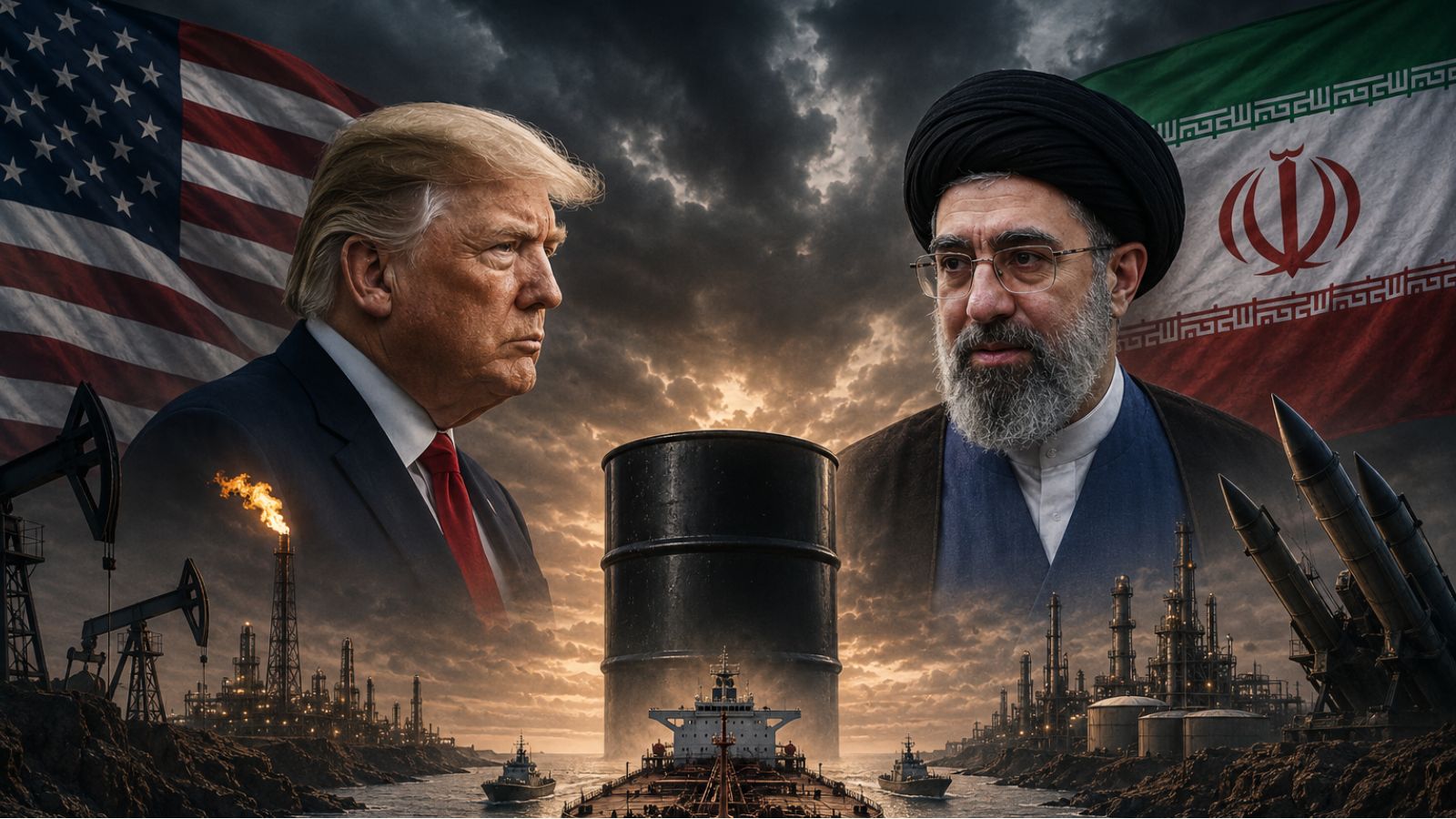
Two Filipino sailors are dead following a targeted strike on the Saudi supertanker Sidr while it transited the Strait of Hormuz, marking a grim escalation in a conflict that has broken the security architecture of the Persian Gulf. Riyadh has pointed directly at Tehran, holding the Iranian government fully accountable for the security incident that pierced the hull of the very large crude carrier. This was not a random stray munition or a mysterious navigational error. It is the bloody manifestation of an active naval choke point war, where commercial shipping lanes have become primary battlegrounds in a wider regional conflagration.
For months, the global shipping industry tried to maintain a precarious business-as-usual posture through the narrow channel carrying roughly a fifth of the planet's petroleum trade. That illusion shattered in the late hours of a Monday night. The Sidr, operated by Saudi Arabia's national shipping company Bahri, was moving crude away from the eastern terminals when it was struck roughly sixteen nautical miles northeast of Khasab, Oman. While maritime security firms initially reported unidentified projectiles and Iranian state actors claimed the vessels struck sea mines outside authorized corridors, the geopolitical fallout instantly bypassed technical explanations. The real story is the total collapse of safe maritime transit under the weight of direct military exchanges between Washington, Tehran, and regional neighbors. For a deeper dive into similar topics, we recommend: this related article.
The Anatomy of a Choke Point Collapse
The Strait of Hormuz is barely twenty-one miles wide at its narrowest traffic separation scheme, with inbound and outbound lanes squeezed even narrower by territorial waters and shifting sandbanks. This geographic bottleneck makes it uniquely vulnerable to asymmetric warfare. Decades of strategic doctrine suggested that closing or severely disrupting the strait would be a nuclear option of last resort for Iran, triggering an immediate and devastating global economic shock.
Instead of a sudden, dramatic closure, the waterway is suffering a slow-bleed operational strangulation. Iran has imposed its own unauthorized transit rules, threatening vessels that navigate outside paths demanded by its naval forces. Meanwhile, the United States and Israel have maintained sustained air and missile campaigns against Iranian military infrastructure since late February, creating an environment where commercial tankers are caught directly in the crossfire. For broader details on this issue, comprehensive reporting can also be found at NBC News.
Insurance premiums for Gulf transits have reached astronomical highs, yet money cannot buy safety when cruise missiles and sea mines are active variables. The loss of life aboard the Sidr shifts the crisis from an economic inconvenience affecting balance sheets to a human catastrophe for the international maritime workforce. Filipino crews, who make up a massive percentage of the global merchant marine, are bearing the brunt of a war they have no stake in.
Strategic Calculations Behind the Missiles
Why target a Saudi flag carrier now? The answer lies in the complex web of regional realignments and economic pressure points. Iran views regional energy exports through a lens of absolute coercion. If Tehran cannot safely market its own oil under punishing counter-blockades, the incentive structure shifts toward ensuring that neighboring producers face identical hazards.
Saudi Arabia, as the world's leading crude exporter, represents the heartbeat of Organization of the Petroleum Exporting Countries supply stability. Striking a Bahri supertanker sends a chilling message to Riyadh and Washington alike. It demonstrates that air defenses and naval escorts cannot guarantee absolute protection for every hull moving through the gulf.
The sequence of events leading up to this tragedy reveals a pattern of escalating retaliation. Earlier encounters involving Bahri vessels in the Red Sea and near Omani waters signaled that maritime security was deteriorating across multiple fronts. Yet the Hormuz theatre carries unique systemic risks because viable bypass pipelines have strict capacity limits. Much of the oil that must move out of the Persian Gulf has nowhere else to go. When tankers stop moving, global energy markets convulse, injecting inflationary panic into western economies at the worst possible political moment for the White House.
The Human Cost and the Seafarer Crisis
Behind the grand strategies of naval command centers and presidential press briefings are engine rooms, bridge teams, and bunk rooms. Merchant mariners operate under civilian contracts, yet they are increasingly treated as acceptable collateral damage. Maritime labor unions have raised urgent alarms regarding the safety of crews navigating high-risk zones, pointing out that advanced warning systems do little against sudden kinetic strikes or submerged hazards.
Governments sending diplomatic cables demanding freedom of navigation must reckon with the reluctance of ordinary sailors to risk their lives for corporate logistics chains. When recruitment dries up because the Persian Gulf becomes a verified combat zone, the supply chain freezes not from lack of ships, but from lack of humans willing to board them. The international community's response has largely consisted of high-level condemnations and calls for de-escalation, platitudes that ring hollow to families mourning loved ones killed thousands of miles from home.
As long as the broader conflict between the United States and Iran remains deadlocked on military battlefields, the waters of the Strait of Hormuz will remain a graveyard for commercial ambition. The sinking or damaging of supertankers is no longer a distant theoretical threat scenario dreamed up by defense analysts. It is the daily reality of a waterway where diplomacy has completely failed, leaving weapons to dictate the terms of global trade.