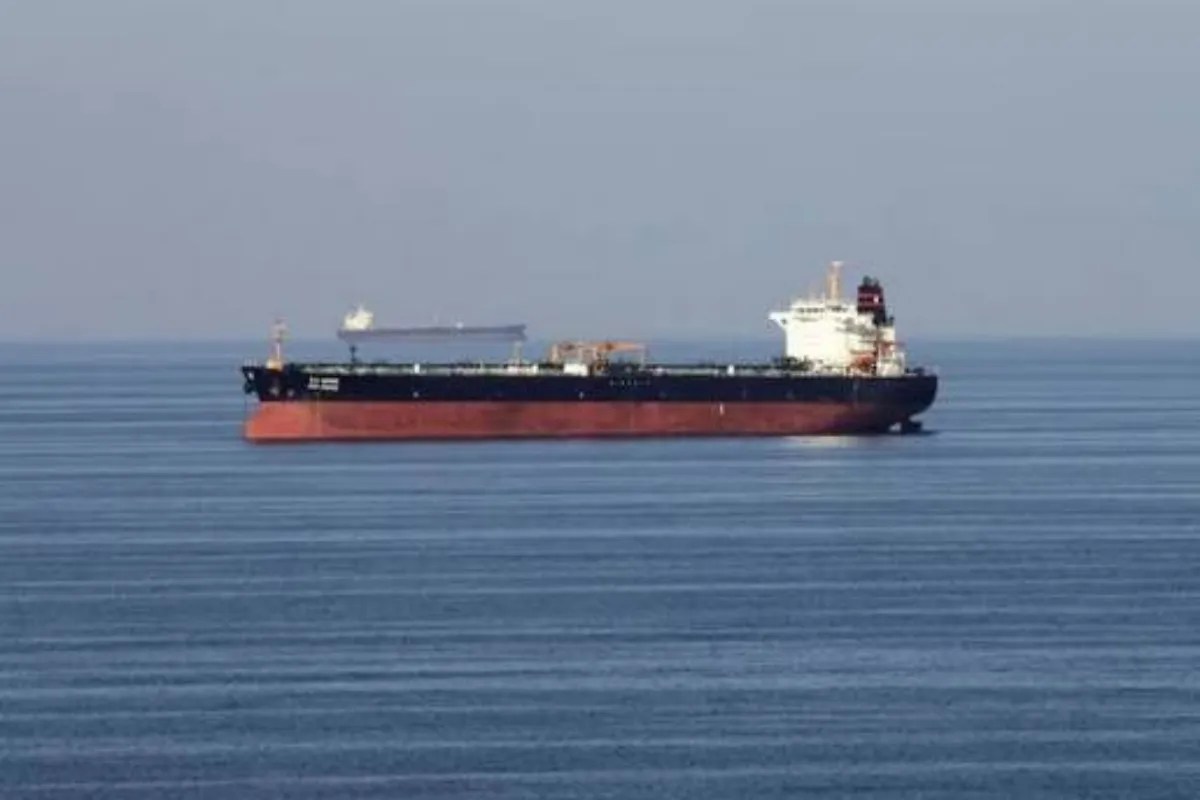
The announcement by the Islamic Revolutionary Guard Corps regarding new maritime restrictions around the Strait of Hormuz marks a dangerous escalation in an already volatile energy corridor. By declaring plans to establish a prohibited exclusion zone that penalizes uncoordinated commercial and foreign vessels with severe shipping and insurance sanctions, Tehran is attempting to rewrite the legal and operational architecture of the world's most vital energy artery.
This move is far from a standard bureaucratic update. It represents the active weaponization of geography.
For international shipping lines, energy traders, and naval strategists, the stakes could not be higher. Roughly twenty percent of the world's seaborne petroleum passes through this narrow passage. When the IRGC claims the authority to blacklist commercial carriers that fail to navigate under its direct oversight, the economic fallout extends well beyond the Persian Gulf. Insurance underwriters in London are already recalculating risk models that view the entire region as an active combat zone, driving operational costs upward at an unprecedented pace.
To understand why this restriction policy matters now, one must look at the mechanics of enforcement. Tehran is not merely drawing lines on a map; it is attempting to counter the ongoing United States naval blockade of Iranian ports by establishing a reciprocal buffer. The proposed zone—stretching outward from the Iranian coastline toward international waters and the Sea of Oman—transforms commercial compliance into a geopolitical loyalty test. Vessels that cooperate with Western naval escorts or fail to secure Iranian transit clearance find themselves targeted by asymmetric naval assets or placed on sweeping maritime sanctions lists.
The operational reality for ship captains operating in these waters is grim. Transiting the strait now requires navigating conflicting demands from two hostile superpowers. On one side, the United States-led Joint Maritime Information Center issues recommended routes and safety advisories. On the other, the IRGC demands prior coordination, threatening direct kinetic action or commercial blacklisting for non-compliance.
Consider a hypothetical scenario involving a Panamanian-flagged crude carrier moving from a port in Qatar toward Asian markets. Under normal historical conditions, the captain's primary concerns were weather patterns, navigational hazards, and standard port fees. Today, that same captain must weigh whether using a designated international corridor endorsed by Western navies will trigger an immediate IRGC missile strike or drone interdiction. Conversely, complying with Iranian demands risks severe secondary sanctions from Western regulators. There are no safe harbors in this regulatory crossfire.
This standoff exposes deep structural vulnerabilities in global supply chains. For months, major economies have absorbed the shocks of intermittent closures, elevated war-risk insurance premiums, and rerouted voyages that add weeks to transit times. Yet, the IRGC's latest decree signals that temporary disruption has now hardened into a permanent posture of managed confrontation. Tehran is institutionalizing its control over maritime choke points as a core instrument of statecraft, signaling that any diplomatic normalization must run through its newly drawn corridors.
Energy markets have reacted with characteristic volatility. Futures contracts fluctuate wildly with every new statement issued by military officials in Tehran or Washington. Beneath the daily price spikes lies a quieter, more corrosive anxiety: the fear that alternative pipelines and overland routes are entirely insufficient to compensate for a prolonged, legally contested closure of the Hormuz corridor.
As military patrols multiply and the rhetoric on both sides sharpens, commercial operators are left to manage an untenable risk matrix. The strait remains open in theory, but in practice, it is governed by the laws of force rather than the laws of the sea.