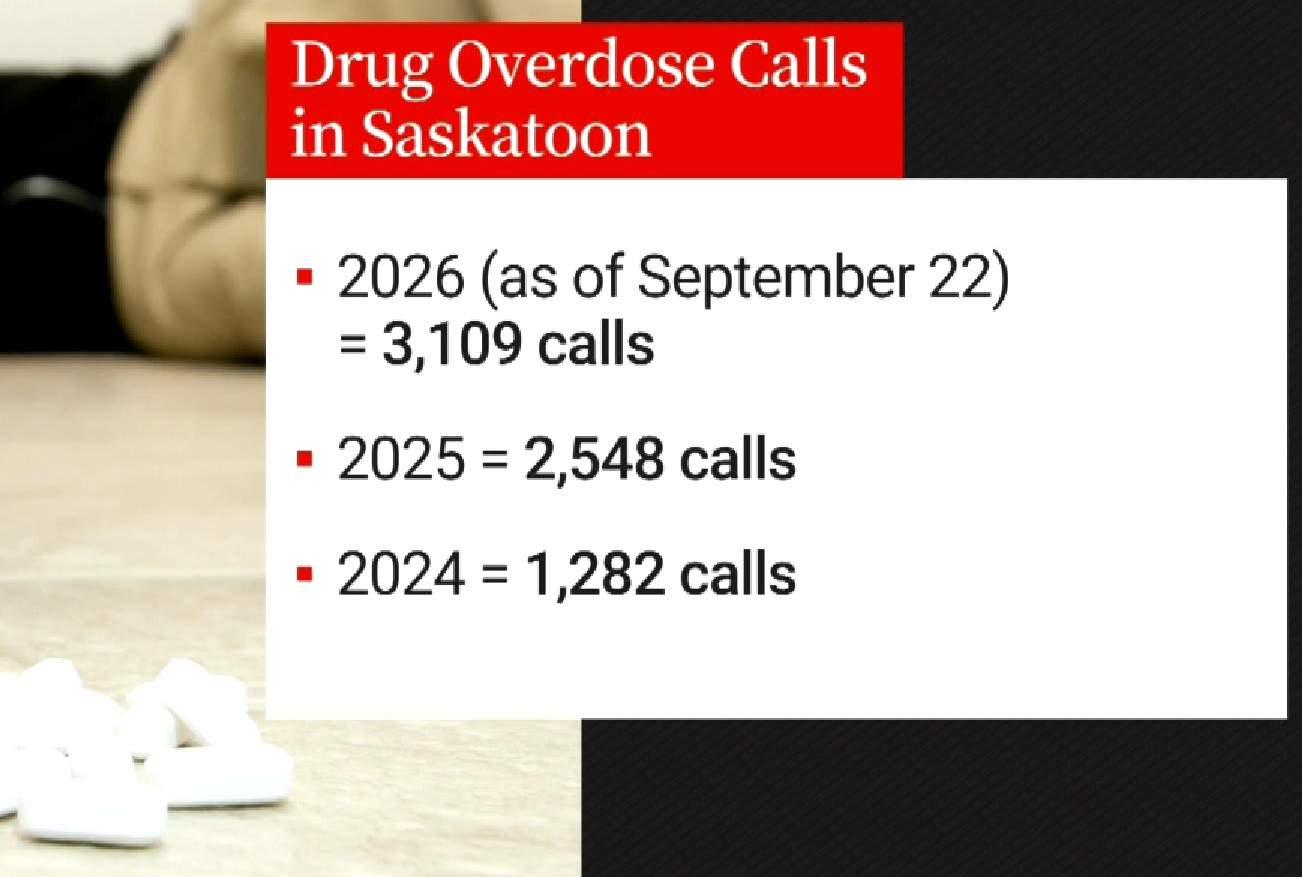
Saskatchewan's implementation of the Compassionate Intervention Act marks one of the most contentious policy shifts in Canadian healthcare and addiction management. Designed to allow police, family members, or medical professionals to compel individuals with severe substance use disorders into secure treatment, the legislation has thrust the province into uncharted legal and ethical territory. Behind the political rhetoric of compassion and safety lie staggering logistical hurdles, deep divisions within the medical community, and a glaring lack of empirical consensus on whether forced stabilization achieves long-term recovery.
The core motivation behind the legislation stems from the visceral pain of families watching loved ones succumb to toxic drug poisonings. When voluntary systems face systemic backlogs and months-long waitlists, desperate relatives often view state intervention as the only remaining shield against tragedy. Yet, turning to the legal system to solve a structural public health failure creates a dangerous friction point between individual civil liberties and state paternalism.
The Structural Capacity Illusion
A law is only as functional as the infrastructure supporting it. Proponents of the Compassionate Intervention Act insist that secure detention facilities and specialized assessment centers will save lives. However, critics, including the Saskatchewan Medical Association and various public health organizations, point to an uncomfortable reality: the baseline voluntary system is already severely strained.
When individuals seek help voluntarily, they frequently encounter weeks of waiting for an inpatient bed. Diverting administrative energy, capital funds, and specialized clinical personnel toward building and operating an involuntary apparatus risks cannibalizing resources from an already fragile continuum of care. Without a zero-waitlist reality for voluntary services, the system creates a perverse incentive structure where individuals might find themselves forced into treatment simply because they could not access voluntary care in time.
The Clinical and Scientific Contradiction
Addiction medicine operates on principles of patient autonomy, engagement, and readiness for change. Clinical literature on involuntary treatment consistently demonstrates mixed outcomes. While secure environments can temporarily interrupt active substance use and stabilize acute physical crises, compulsory programs rarely alter long-term behavioural trajectories on their own.
Compounding this clinical challenge is the documented risk associated with post-discharge periods. Studies examining involuntary stabilization models note that tolerance drops significantly during detention. If an individual leaves a secure facility without robust, wrap-around community support, housing, and continued therapeutic engagement, their risk of fatal overdose spikes dramatically upon release. The transition back into the community is not a graduation; it is often the most perilous phase of the recovery cycle.
Navigating the Legal and Ethical Quagmire
The legislative framework relies heavily on definitions of severe substance use disorder and the vague threshold of being "likely to cause harm". Translating these legal definitions into daily policing and medical assessments leaves enormous room for systemic error. Law enforcement officers, already tasked with complex social intervention duties, find themselves thrust into frontline diagnostic roles.
Civil rights advocates warn that marginalized populations, particularly Indigenous communities already overrepresented in the justice and health systems, will bear the brunt of these apprehension powers. Culturally safe care requires trust between the provider and the patient. Compulsion inherently fractures that trust, making subsequent voluntary engagement even more difficult to foster once the legal mandate expires.
The debate in Saskatchewan is a microcosm of a national dilemma. As jurisdictions across North America grapple with public disorder and soaring mortality rates, the temptation to legislate solutions grows stronger. Yet, passing a statute does not manufacture clinical beds, nor does it replace the slow, unglamorous work of building comprehensive harm reduction, mental health, and voluntary treatment networks. The true test of this policy will not be how many people are initially detained, but whether those individuals survive the aftermath and find a sustainable path forward
Saskatchewan introduces law for involuntary addictions treatment
This news report provides additional context on the introduction of Saskatchewan's involuntary addictions treatment legislation and the public debate surrounding its implementation.