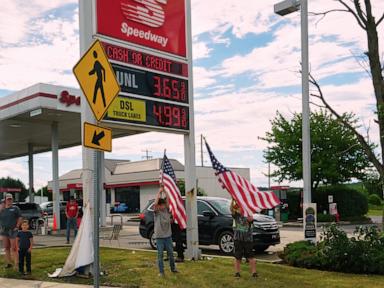
The White House is angry that retail gasoline prices are not falling as quickly as global crude oil benchmarks following the recent memorandum of understanding with Iran. This political frustration misinterprets a structural economic reality known as the rockets and feathers phenomenon, which dictates that retail fuel prices shoot up like rockets when oil surges but drift down like feathers when it recedes.
While crude oil prices plunged roughly 27% to around $70 per barrel after the reopening of the Strait of Hormuz, the national average for a gallon of regular gasoline remained sticky at $3.93. The administration’s immediate response was to order a Justice Department probe into major oil companies like ExxonMobil and Chevron for alleged price gouging.
This reaction targets the wrong culprit. The modern energy supply chain ensures that the companies drilling for oil have almost no say over what you pay at your local corner station.
The Illusion of Upstream Control
The political narrative assumes a straight line from the oil well to the gas pump. It implies that a drop in West Texas Intermediate (WTI) crude should immediately trigger a mathematical reduction in the retail cost of fuel.
[Crude Oil Extraction] ➔ [Refining & Blending] ➔ [Pipeline & Logistics] ➔ [Independent Retailer]
The physical reality is highly fragmented. To understand why the price at the pump is lagging, we must look at the four components that make up the cost of a single gallon of gasoline:
- Crude Oil Cost: Typically accounts for roughly half of the total price, though this fluctuates during international crises.
- Refining Costs and Profits: The industrial process of cracking heavy crude into usable fuel.
- Distribution and Marketing: The logistical burden of moving fuel via pipeline, barge, and tanker truck.
- Taxes: Combined federal, state, and municipal levies that remain completely static regardless of oil market volatility.
Major oil producers sell their crude into a global commodities market. They do not own the vast majority of the nation's gas stations. In fact, over 60% of retail fuel stations in the United States are owned by single-store independent operators or small family corporations. These operators do not have deep financial cushions, and their pricing strategies are driven by immediate survival rather than corporate collusion.
Why Feathers Drift Down Slowly
The asymmetric pricing model—where retail drops lag behind crude drops—is not a conspiracy. It is driven by rational economic behaviors that occur at two distinct stages of the supply chain.
The Lag in Refined Inventories
Refineries do not buy crude oil on the spot market today and turn it into gasoline tomorrow. They purchase supplies weeks or months in advance. During the height of the recent military friction with Iran, refiners were locked into buying incredibly expensive crude.
Even though the paper market for oil crashed last week on news of the peace deal, refineries are still processing the expensive crude they bought last month. They cannot afford to lower their wholesale prices until that expensive inventory clears the system.
Retail Margin Recoupment
The second lag occurs at the retail level. When the war in Iran initially caused crude prices to spike, local gas station owners did not immediately pass 100% of that increase to consumers. Doing so would have driven drivers to competitors down the street. Instead, retail stations squeezed their own profit margins, absorbing minor losses to maintain volume.
When oil prices finally fall, these independent retailers do not rush to slash their pump prices. Instead, they keep prices elevated for a few extra weeks to recoup the financial losses they endured on the way up. They need this operational margin simply to keep the lights on.
The Structural Headwinds Keeping Gas High
Even if the Justice Department investigates every energy firm in the country, retail gasoline will not instantly plummet to pre-war levels. The market is facing structural realities that have nothing to do with the price of crude oil.
The Summer Blend Premium: Every spring, environmental regulations force refineries to switch from winter-blend gasoline to summer-blend gasoline. Summer fuel requires complex additives to prevent evaporation in high temperatures, making it significantly more expensive to produce.
Furthermore, domestic supply constraints remain tight. While U.S. crude oil production hit record highs late last year, refining capacity has not kept pace. The U.S. has lost several major refining plants to closures and green-energy conversions over the last decade. You can drill all the oil you want, but if you do not have the physical refining capacity to turn that crude into gasoline, the retail price will remain high.
Ultimately, the administration is trapped by an economic reality it cannot legislate away. Oil is a global commodity, but gasoline is a hyper-local, highly regulated product managed by small business owners managing razor-thin margins. Until the expensive physical inventory moves through the pipelines and the seasonal refinery shifts ease, drivers will continue to feel the squeeze—long after the oil market has calmed down.
For a deeper dive into the economics of fuel pricing, this CNBC analysis on why gas prices don't drop with oil details the exact supply chain bottlenecks and seasonal blend changes that break the link between crude benchmarks and the retail pump.