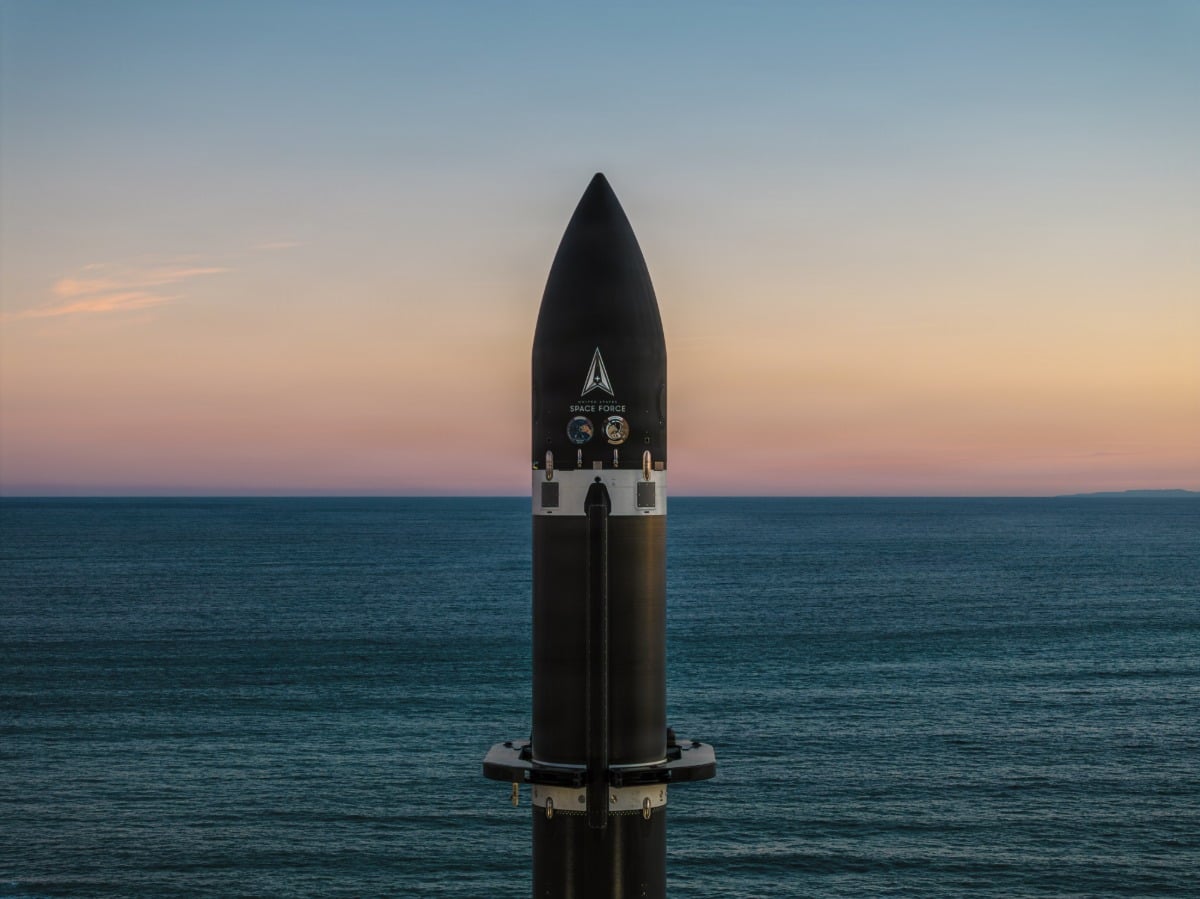
The U.S. Space Force quietly handed Rocket Lab a $266 million firm-fixed-price contract to fly 12 suborbital missions from Alaska, with options for six more through late 2028. Managed by Space Systems Command out of Kirtland Air Force Base, the deal immediately obligates $112 million in research, development, test, and evaluation funding. While financial headlines focused on the resulting bump in market capitalization, the true significance lies in the math. The Pentagon is paying roughly $22 million per mission—more than double the standard commercial rate for Rocket Lab’s standard flights. That massive premium reveals a urgent shift in how the military tests high-speed weapons.
For decades, the Department of Defense relied on massive, multi-year test ranges and expensive, custom-built target vehicles to test hypersonic flight components. Those programs were notorious for slipping schedules and ballooning costs. By securing a dedicated campaign using the Hypersonic Accelerator Suborbital Test Electron, known as HASTE, the military is attempting to buy commercial speed for national defense priorities.
The Real Price Tag Behind the Alaskan Footprint
A single commercial Electron launch usually carries a price tag under $10 million. Even specialized HASTE missions conducted out of Mid-Atlantic Regional Spaceport in Virginia historically hover near $9.5 million per launch. So why is Space Systems Command paying double for missions staged out of the Pacific Spaceport Complex on Kodiak Island, Alaska?
The answer comes down to infrastructure and flight trajectories. Building out high-cadence support facilities in remote sub-arctic environments requires dedicated capital. Ground support equipment, specialized transport containers, environmental controls, and umbilical systems for liquid-fueled rockets cannot simply be rented for a weekend. The contract structure suggests that early funding milestones cover the capital expenditure needed to construct or heavily modify launch facilities in Kodiak, establishing a permanent northern launch pad for high-speed military experiments.
Alaska offers distinct operational geography. Striking open ocean trajectories toward polar corridors allows the Department of Defense to test hypersonic glide bodies, thermal protection materials, and advanced sensor packages across extreme atmospheric conditions without flying over densely populated air corridors or foreign observation assets.
Contract Structure Breakdown:
- Base Award Value: $266 Million
- Guaranteed Launches: 12 suborbital flights
- Optional Launches: 6 additional flights
- Immediate Funding Obligation: $112 Million (FY2025 RDT&E)
- Operational Site: Pacific Spaceport Complex (Kodiak, Alaska)
- Completion Date: December 31, 2028
Why Hypersonic Testing Hit a Bottleneck
Hypersonic flight—speed exceeding Mach 5—places incredible strain on aircraft skins, guidance systems, and air-breathing propulsion engines. Traditional ground facilities like wind tunnels can only replicate these extreme temperatures and air pressures for a few seconds at a time. To gather reliable flight data, defense contractors must actually fly the hardware.
Historically, military test campaigns suffered from three structural flaws:
- Extreme Scarcity: Traditional defense prime contractors built suborbital test vehicles in tiny quantities, making each rocket a bespoke piece of equipment costing tens of millions of dollars.
- Range Congestion: Legacy missile ranges like Kwajalein Atoll or White Sands face heavy scheduling backlogs, delaying crucial flight tests by months or years.
- Slow Feedback Loops: When an experimental component fails after two years of waiting for a test window, engineers spend another two years redesigning the payload before flying again.
Suborbital testing using modified commercial rockets upends this paradigm. Rocket Lab’s HASTE vehicle uses the same carbon-composite structure, 3D-printed Rutherford engines, and flight software as its commercial satellite launcher. By tweaking the third stage and modifying payload fairings, engineers transformed a orbital satellite bus into a suborbital target and test vehicle capable of carrying up to 700 kilograms of experimental payload.
The Strategic Shift to Commercial Hardware
The competitive process behind this award involved three distinct bids submitted to Space Systems Command. Winning the award against legacy defense contractors signals that military procurement officers are losing patience with traditional cost-plus defense contracts.
Firm-fixed-price contracts force the launcher to absorb overrun costs rather than passing them back to taxpayers. If a rocket fails on the pad or experiences cost inflation during construction, the contractor eats the loss. Rocket Lab can operate under these terms because its manufacturing pipeline already produces Electron rockets at regular intervals, spreading baseline overhead across both civil and defense markets.
This commercial integration creates a financial flywheel for the company. High-margin defense contracts like HASTE generate immediate operational cash flow. Management can funnel those profits directly into development programs for larger vehicles, including the medium-lift Neutron rocket, while preserving balance sheet liquidity.
"The military isn't just buying rockets anymore; they are buying launch frequency. If you can't fly ten times a year to test experimental sensors, you aren't actually running a modern flight test program."
The Unspoken Risk Factors
Despite the headline contract value, significant execution risks remain on the horizon. Alaska’s Pacific Spaceport Complex presents harsh operational weather that frequently disrupts launch windows. High winds, icing conditions, and extreme logistics pipelines to Kodiak Island can easily stall high-cadence flight schedules, threatening the late-2028 completion target.
Furthermore, suborbital testing is inherently high-risk. Payloads flown on HASTE often consist of early-stage experimental tech, hypersonic air-breathing scramjets, or prototype sensor suites for missile defense tracking. While launch success rates are critical, payload failures caused by external customer hardware can complicate public perception and cause operational delays while mishap investigations take place.
Additionally, financial markets must weigh the broader company valuation against insider behavior. Even as contract backlogs grow, regulatory filings indicate significant insider share sales in recent quarters alongside elevated valuation multiples relative to current revenues. Investors looking solely at defense contract totals often miss the broader cash burn associated with scaling heavy launch infrastructure simultaneously.
The Space Force’s $266 million bet proves that national security strategy now depends on commercial flight cadence. Whether commercial operators can maintain that speed under sub-arctic operational pressure remains the defining test for the next four years.