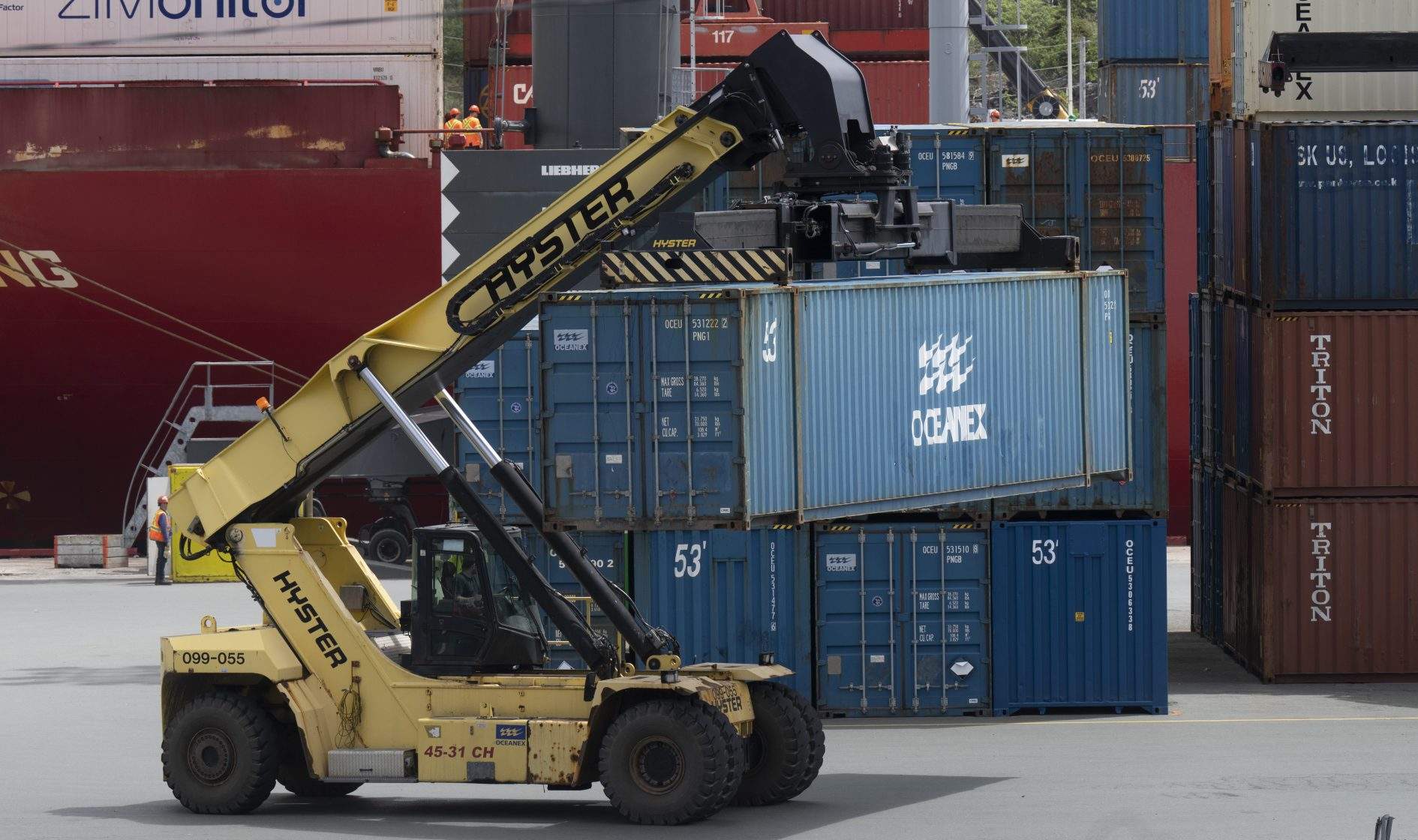
Ottawa has deployed a 100 million dollar steel shipping rebate program to artificially rewire how domestic manufacturers source raw materials amid a punishing cross-border trade war. Announced by Transport Minister Steven MacKinnon, the Commodities Sectoral Support Program offers to cover half of all rail and marine freight costs for Canadian steel moving across provincial and territorial borders.
For years, industrial analysts have pointed out an uncomfortable truth about Canadian geography and economics. It is frequently cheaper and logistically simpler for a manufacturer in western Canada to import steel from the United States or overseas than to haul it across provincial boundaries by rail. High domestic freight rates, combined with a fragmented internal market, have long crippled interprovincial trade.
Now, the federal government is attempting to legislate a fix through a temporary subsidy.
The Logistics Wall
Moving heavy goods across Canada is an expensive proposition. Two major railway monopolies dominate the landscape, and long-haul freight pricing reflects a lack of meaningful competition.
When international tariffs hit domestic producers, the immediate casualty was not just export volume. It was the domestic supply chain's structural cohesion. Domestic steel mills found themselves undercut in their own backyard, while downstream manufacturers faced rising input costs that forced painful operational compromises.
By targeting transportation logistics directly, Ottawa is trying to offset the geographic penalty of Canada's vast size. A manufacturer in Ontario or Alberta weighing the financial burden of local procurement versus foreign alternatives will now see a government-backed subsidy absorb half the shipping invoice.
Yet, a subsidy is not a structural overhaul.
Examining the Mechanics
The program rules reveal strict boundaries. Running for one year or until the 100 million dollar envelope is entirely drained, the initiative caps individual recipients at a maximum cumulative payout of 50 million dollars. Only products of strictly Canadian origin traveling to domestic destinations qualify.
Consider a hypothetical steel producer in Hamilton shipping plate metal to a fabricator in Edmonton. Under standard operational budgeting, the rail freight charges might render the transaction economically unviable compared to importing from a midwestern U.S. mill. With the federal rebate kicking in for fifty percent of that rail bill, the math shifts.
The policy assumes that lowering the friction of domestic transit will permanently alter purchasing habits.
Markets rarely respond so obediently.
The Risk of Band-Aid Economics
Critics within the industrial sector argue that temporary freight rebates do nothing to resolve the core deficiencies of domestic manufacturing capacity and high baseline operational overhead. Energy costs, regulatory compliance burdens, and carbon pricing structures continue to weigh heavily on Canadian mills.
When the funding dries up after twelve months, what happens to those newly formed domestic supply chains? If underlying freight rates and production costs remain uncompetitive, manufacturers will likely revert to foreign suppliers the moment the government checkbook closes.
Furthermore, trade partners abroad are watching closely. Subsidizing domestic shipping costs can easily be interpreted by trade courts as a countervailable measure, potentially inviting fresh retaliatory tariffs from an increasingly hostile protectionist environment south of the border.
The Broader Industrial Fallout
The steel sector is merely the pilot phase. Federal officials have already signaled that similar freight relief packages are under active consideration for the forestry sector, which has suffered its own severe contractions amid U.S. lumber duties and shifting global demand.
This points toward a broader economic pivot. Ottawa is moving away from passive trade defense and toward active, state-managed market intervention. Protecting domestic industries now requires the treasury to directly subsidize the internal mechanics of commerce.
The success of this 100 million dollar deployment will not be measured by how quickly the funds are distributed. It will be judged by whether Canadian manufacturers choose domestic integration when the artificial props are finally removed.
The clock is running, and the freight cars are rolling across the rails.