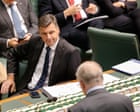
The High Stakes Bargain Over Disability Funding and Tax Reform
Federal politics runs on leverage. When shadow treasurer Angus Taylor demanded that Prime Minister Anthony Albanese repeal a major tax hike in exchange for Coalition support on the National Disability Insurance Scheme reform bill, he was not just negotiating legislation. He was weaponizing fiscal policy against a system drowning in its own red tape. The core dispute centers on whether structural tax adjustments should be used as a political ransom note to force government spending restraint elsewhere.
This collision between social program sustainability and macroeconomic taxation highlights a broken legislative pipeline. The National Disability Insurance Scheme represents the most expensive social safety net expansion in modern Australian history. Costs are compounding at rates that alarm budget analysts across the political spectrum. Yet tying structural reform of this safety net to unrelated tax changes risks turning vulnerable participants into collateral damage in a broader war over economic management.
The Anatomy of a Legislative Standoff
Bills do not stall in isolation. Every major piece of social reform carries hidden baggage, and the current battle over disability spending controls is no exception. The government wants tighter guardrails on participant budgets to curb unsustainable expenditure trajectories. The opposition wants relief for taxpayers squeezed by stubborn inflation andbracket creep.
When Taylor drew his line in the sand, he calculated that the government's desperation to pass spending caps would outweigh its resistance to tax concessions. Budget management has become a zero-sum game. Every dollar spent on one priority is a dollar stripped from fiscal capacity elsewhere.
- Expenditure Growth: Scheme outlays have routinely outpaced initial Treasury forecasts by billions of dollars annually.
- Revenue Pressures: Income tax receipts remain a battleground for middle-income relief.
- Legislative Gridlock: Minority senate dynamics mean major reforms require crossbench or opposition votes, turning every bill into a bazaar of concessions.
The mechanics of this standoff reveal a deeper institutional failure. Parliament has largely abandoned the art of genuine bipartisan consensus on foundational social architecture. Instead, major parties treat landmark legislation as tactical terrain. Participants with genuine support needs watch from the sidelines while Canberra plays high-stakes poker with their futures.
Behind the Numbers of Scheme Sustainability
To understand why the government is pushing hard for legislative change, look at the actuarial tables. The scheme was never designed to be an infinite fountain of funding. Initial projections drastically underestimated participant numbers and average plan costs.
Independent reviews have pointed to systemic inflation within the provider market. Prices for allied health, specialized equipment, and support coordination frequently balloon to match the exact maximum limits of a participant's budget. Market failure is rampant. When every provider knows the government footing the bill has deep pockets, price signals break down entirely.
+-------------------------------------------------------+
|                The NDIS Cost Spiral                   |
+-------------------------------------------------------+
|  Initial Forecasts  --> Conservative participant base |
|  Provider Inflation --> Prices match budget ceilings  |
|  Actuarial Pressure --> Mandatory legislative caps    |
+-------------------------------------------------------+
Critics argue that throwing more money at the structure without aggressive supply-side reform is financial suicide. Proponents counter that artificial caps will strand disabled Australians without essential care. Both arguments contain uncomfortable truths. The system is both bleeding cash through administrative inefficiency and failing to deliver equitable outcomes for those who need it most.
The Tax Policy Paradox
Taylor's demand to repeal what the opposition brands a cruel tax introduces an entirely separate vector of economic debate. Tax policy and social spending are intrinsically linked through the federal budget, but treating them as direct trade-offs creates dangerous precedents.
If every major social reform can be held hostage for tax cuts, governance grinds to a halt. Conversely, ignoring the cumulative tax burden on working households creates a different crisis. Citizens cannot fund an expanding welfare state if their own real wages continue to shrink under heavy fiscal drag.
Consider the historical precedent. Past administrations have routinely used omnibus bills to force compromises, but linking disability support directly to income tax architecture breaks new ground in transactional politics. It forces a false choice between fiscal responsibility for taxpayers and humanitarian support for the disabled.
- Hypothetical Example: Imagine a household earning the median wage, watching their tax bracket shift upward due to inflation while their local community services face funding freezes. The psychological toll of feeling overtaxed while public systems look chaotic creates fertile ground for populist opposition tactics.
The government faces a stark dilemma. Accept the opposition's terms and risk looking weak on fiscal policy while conceding ground on tax revenue, or reject the ultimatum and watch crucial cost-control legislation die on the floor of the Senate.
The Cost of Political Theater
Real people bear the weight of these parliamentary maneuvers. While strategists in Canberra draft press releases and calculate media cycles, service providers and participants navigate profound uncertainty. Planning cycles are disrupted. Administrative backlogs grow. Trust in public institutions erodes.
The tragedy of this debate lies in its framing. Reform should be about optimizing outcomes and ensuring the longevity of a vital institution. Instead, it has morphed into a proxy war over economic philosophy. Until Canberra separates the technical challenge of scheme sustainability from the political football of tax reform, the system will remain paralyzed by its own leverage points.
No safety net survives perpetual weaponization. As the legislative showdown continues, the damage extends far beyond the ledger books, corroding the basic social contract that keeps the nation running