Corporate Price Tags Under Scrutiny
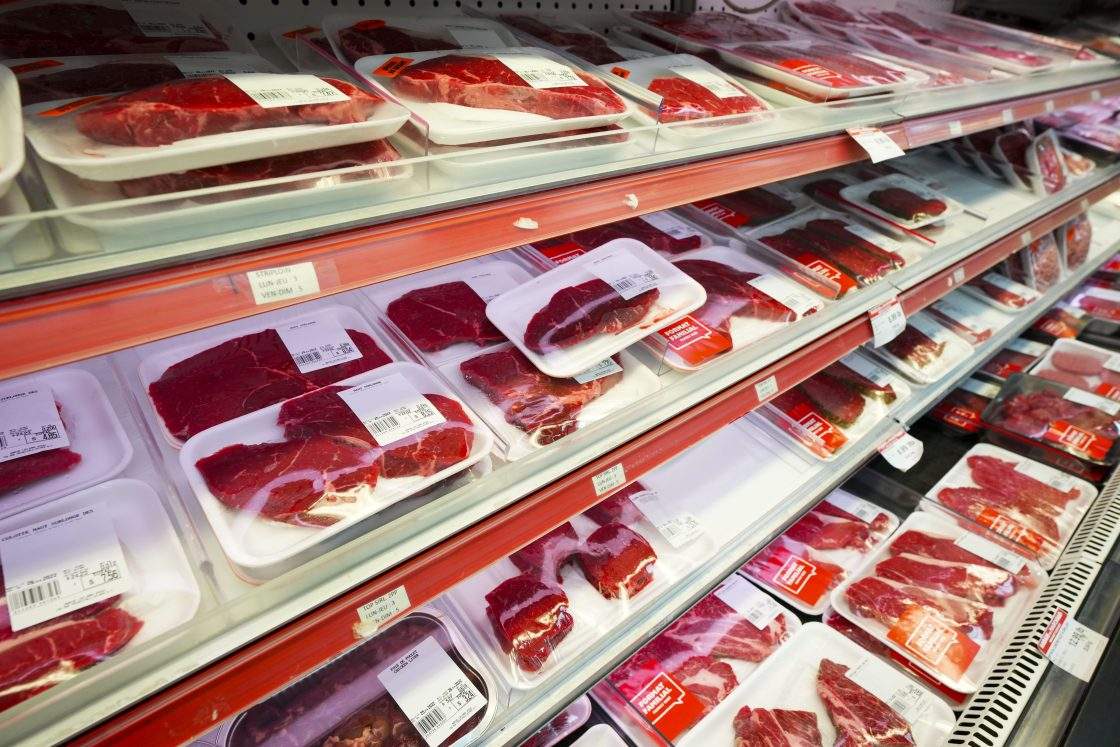
Consumers who bought fresh, boxed, or bag-bagged beef over the past decade may soon collect a check from an $8 million legal settlement. The payout settles antitrust litigation alleging major meatpackers colluded to artificially suppress cattle supplies and inflate retail beef prices nationwide. The class action suit targets the dominant processors controlling the bulk of American beef production, claiming systematic market manipulation since at least 2015. While $8 million represents a fraction of the industry's record profits during that span, the settlement marks a critical crack in the armor of Big Agriculture's most lucrative monopoly.
To qualify for a payout, buyers must have purchased beef products directly from major retailers, grocers, or wholesalers within the specified timeline. The actual check size per person will depend on the final number of valid claims filed before the court-ordered deadline. However, the true significance of this litigation extends far beyond a few dollars returned to a shopper's wallet.
The Hidden Mechanics of Meatpackers
Four mega-corporations control roughly 85% of the U.S. steer and heifer slaughter market. This extreme concentration creates an environment ripe for tacit coordination and market distortion.
When a handful of buyers dictate terms to tens of thousands of independent cattle ranchers, normal supply-and-demand dynamics break down. The antitrust lawsuit alleged a simple yet devastating strategy. Meatpackers deliberately reduced their processing capacity and slowed down slaughter lines. By creating an artificial bottleneck, they drove down the prices paid to ranchers for live cattle while simultaneously driving up wholesale prices charged to supermarkets.
The math was brutal for everyone except the processors.
The Spread That Shook Ranchers
Historically, the spread between live cattle prices and wholesale beef prices remained relatively stable. That changed dramatically over the last decade.
- Rancher returns dropped even as consumer retail prices hit record highs.
- Slaughterhouse margins expanded to unprecedented levels during peak demand periods.
- Independent feedlots went under, unable to negotiate fair prices for their stock.
When slaughterhouses intentionally operate below maximum capacity, live cattle back up on farms. Fattened cattle cost money to feed every single day they wait for slaughter. Ranchers become desperate sellers, forced to take whatever price the big four offer. Once the meatpacker buys the cattle cheap, they restrict the volume of processed beef entering the market, driving up costs for grocery stores.
Why An Eight Million Dollar Settlement Is Just Pocket Change
An $8 million payout sounds substantial to an individual consumer. In the context of the global meat industry, it is a rounding error.
Top meatpacking companies generate tens of billions in annual revenue. A multi-million dollar legal payout functions less as a deterrent and more as a standard cost of doing business. The settlement allows the corporate defendants to resolve complex class-action claims without admitting wrongdoing or liability.
Industry Reality: When illegal market manipulation yields billions in windfall profits, a single-digit million-dollar fine is merely an administrative tax on monopoly power.
Critics argue that these civil settlements do little to fix the underlying structural problems of American agriculture. Without structural antitrust enforcement that breaks up mega-mergers or enforces strict transparency in livestock purchasing, processing cartels will continue to dominate the supply chain.
The Broader Antitrust Battles Threatening Big Agriculture
This retail beef settlement is not an isolated event. It is part of a massive, industry-wide legal reckoning targeting meat processing giants across multiple animal protein markets.
Over the last five years, federal regulators, state attorneys general, and private plaintiffs filed dozens of price-fixing lawsuits across the chicken, pork, and beef sectors.
Parallel Claims Across Protein Sectors
- Broiler Chickens: Major poultry producers paid hundreds of millions to settle allegations of sharing proprietary wage and production data through third-party data services.
- Pork Processing: Similar antitrust actions revealed coordinated capacity reduction strategies designed to artificially lift pork prices.
- Livestock Feed: Investigations continue into input cost manipulation that squeezes independent farmers on both ends of the production cycle.
Federal agencies have stepped up enforcement, launching civil and criminal inquiries into market allocation schemes. The Department of Justice brought criminal charges against several high-ranking poultry executives, sending a clear message that corporate boardrooms are no longer immune to personal accountability. Yet, in the beef sector, civil settlements remain the primary mechanism for consumer relief.
The Long Road to Real Market Reform
Fixing the American food supply chain requires systemic regulatory changes rather than periodic class-action payouts.
The federal government has initiated updates to the Packers and Stockyards Act, a century-old law designed to protect livestock producers from unfair, unjustly discriminatory, or deceptive practices. Proposed rules aim to increase transparency in spot-market transactions and eliminate retaliatory practices against independent farmers who speak out against processor abuse.
Simultaneously, the federal government allocated funds to expand independent processing capacity nationwide. By subsidizing regional slaughterhouses, policymakers hope to offer cattle producers alternative outlets for their livestock, breaking the regional monopolies held by the big four packers.
Building new slaughterhouses takes years, massive capital investments, and complex regulatory approvals. Regional processors face immense hurdles when trying to compete with the sheer scale and distribution networks of established conglomerates. Until independent alternatives reach a critical mass, the dominant packers will continue to set the price for American beef.
Checking your mail for a settlement payment provides short-term validation that prices were rigged. It does nothing to lower next week's grocery bill. True reform demands sustained regulatory muscle and an overhaul of an industry that treats legal penalties as an ordinary line item on a balance sheet.