There is no peace plan. There is no hidden blueprint, no secret diplomatic track, and no imminent framework to halt the bloodshed in Eastern Europe.
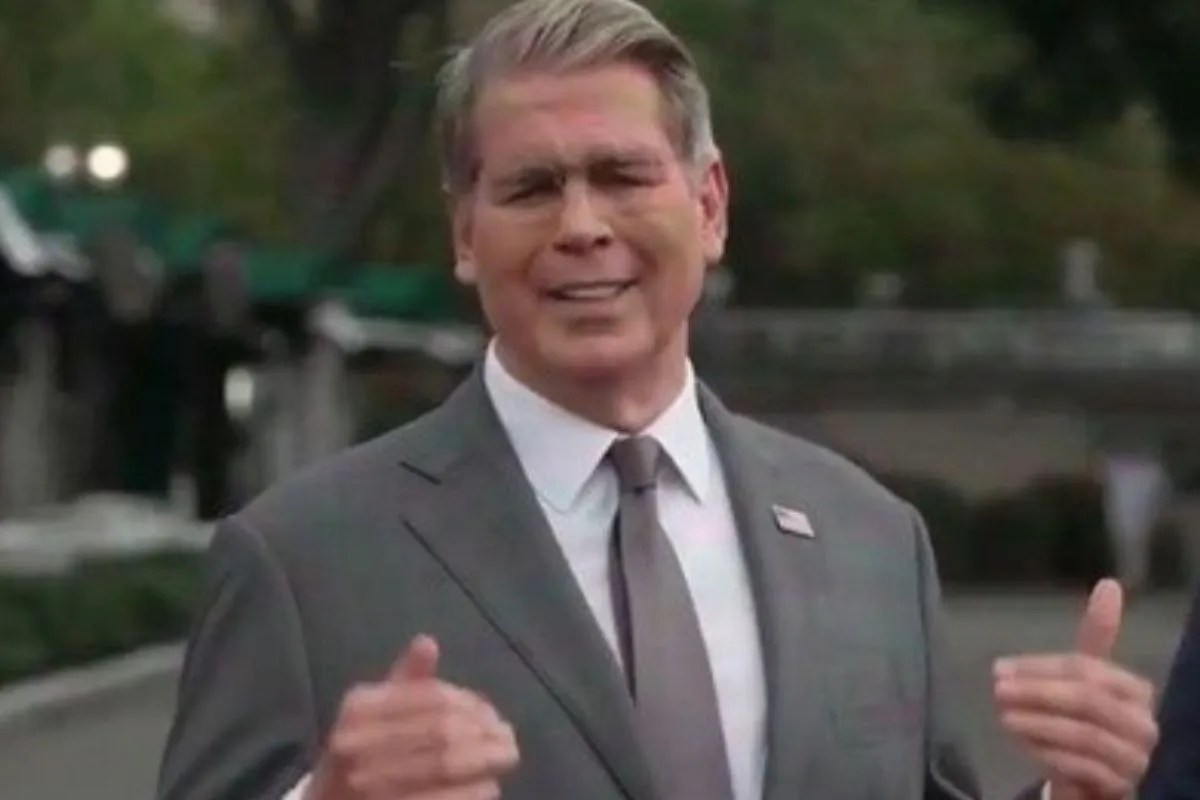
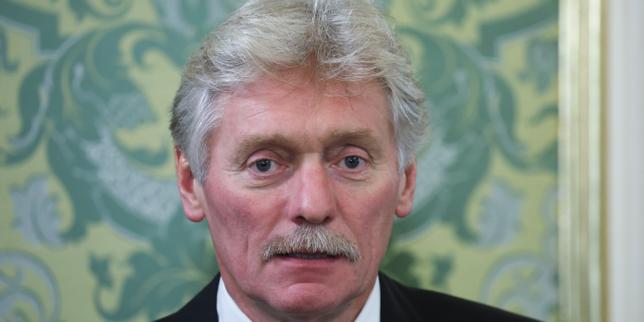
When Kremlin spokesperson Dmitry Peskov stepped before reporters to flatly deny the existence of any formalized roadmap for a settlement in Ukraine, he was not merely managing expectations. He was stating an operational reality that Western capitals continually misinterpret. American Secretary of State Marco Rubio had floated the possibility that a negotiation roadmap might materialize within weeks following back-channel missions by Washington envoys to Moscow and Kyiv. The Kremlin's immediate, public cold water was a calculated reminder of how far apart the belligerents remain.
Understanding why this roadmap does not exist requires looking past the theater of international diplomacy. Both sides are locked into absolute positions regarding territory and sovereignty that resist compromise. Moscow insists on terms that amount to capitulation, while Kyiv and its backers demand a return to internationally recognized borders. Until those core demands shift, any talk of a structured path toward peace remains wishful thinking.
The Anatomy of Diplomatic Gridlock
Diplomacy thrives on ambiguity until the moment of forced clarity. Right now, the ambiguity serves neither side well, yet both cling to it for different reasons.
For the Russian leadership, avoiding a formalized roadmap prevents premature constraints on military objectives. The strategic calculus in Moscow assumes that time works to its advantage. Industrial conversion to a war footing, combined with sustained attrition on the front lines, feeds an internal belief that patience will eventually exhaust Western political will. A rigid roadmap would require defining endpoints, concessions, and territorial boundaries that the high command is unwilling to lock down while momentum flickers on the battlefield.
Conversely, the Ukrainian government faces an existential trap whenever peace frameworks are discussed without its direct, uncompromised input. President Volodymyr Zelenskyy has repeatedly pointed out that while foreign intermediaries report a general willingness from Moscow to talk, the actual substance of those discussions remains entirely absent. Red lines remain firmly entrenched. Ukraine cannot accept terms that legitimize territorial theft, and Russia refuses to entertain terms that recognize its failure to subjugate its neighbor.
This creates a vacuum where diplomatic progress is measured entirely in procedural ghost stories. Envoys travel from capital to capital, meetings are labeled substantive, and press briefings generate momentary ripples in global financial markets. Yet the core architecture of the conflict remains completely untouched.
The Illusion of Trilateral Momentum
Washington's renewed push to jumpstart trilateral negotiations involving the United States, Ukraine, and Russia has breathed life into speculative reporting about impending breakthroughs. Yet the mechanics of these proposed talks reveal a fundamental structural flaw.
Talks about talks are often mistaken for peace itself. When American delegations engage with Russian and Ukrainian officials, they are frequently managing allied friction and testing the boundaries of political flexibility rather than negotiating a treaty. Moscow welcomes these channels because they project international legitimacy and chip away at isolation, not because they signal a readiness to yield captured ground.
Consider a hypothetical corporate merger where one side demands total surrender of corporate assets while the other insists on total restitution before sitting at the table. No mediator can draft a transition plan until those fundamental definitions change. The current trilateral ambitions function similarly. They provide a political safety valve for Western leaders facing domestic fatigue, but they lack the foundational compromises required to produce an actual agreement.
Peskov’s insistence that Moscow refuses to discuss settlement points publicly because coherent programs do not exist is a rare moment of diplomatic candor. The programs do not exist because the underlying reconciliation is impossible under current military and political paradigms.
The Cost of Waiting for a Miraculous Blueprint
The persistent fixation on a future roadmap creates a dangerous policy hazard. It encourages leaders to delay decisive actions on military aid or long-term structural commitments under the assumption that a diplomatic off-ramp is just around the corner.
Every month spent waiting for a nonexistent peace plan results in deepened devastation across the front lines. Infrastructure decays further, demographic strains intensify, and the eventual price of reconstruction multiplies exponentially. The absence of a roadmap is not a temporary diplomatic hurdle. It is the defining condition of a war that has outgrown its initial political parameters and entered a phase of raw, unvarnished endurance.
Pretending that a structured settlement can be conjured through sheer persistence by foreign envoys ignores the historical weight of the conflict. Wars of this magnitude rarely end because a clever mediator drafts a compromise schedule. They end when one side loses the capacity to continue, or when the political cost of fighting exceeds the unimaginable cost of stopping.
Until that threshold is reached, any document labeled as a roadmap will be nothing more than papering over an unbridgeable chasm. The reality on the ground in Kyiv, Moscow, and along the blood-soaked contested zones is stark. There is no map, there is no guide, and the only path forward is the one being forged by force of arms.