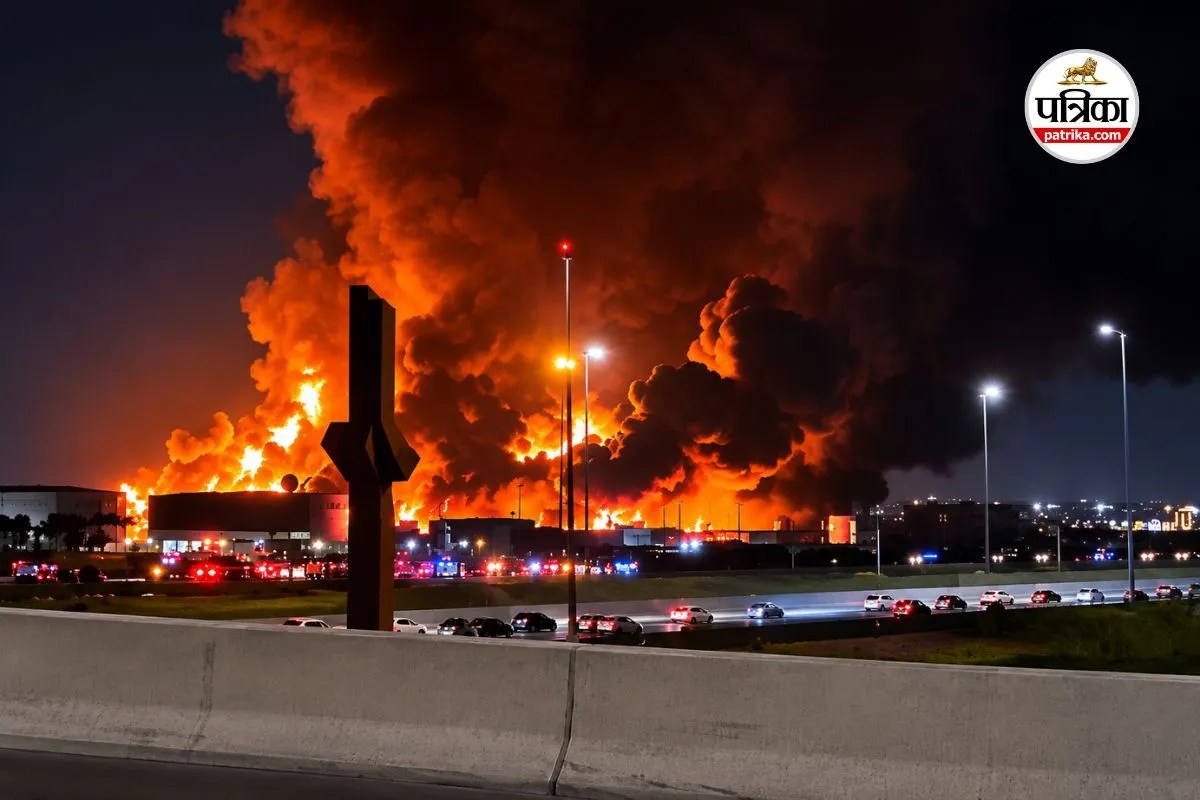
The fragile quiet that held Yemen in a functional suspension for years has fractured under the weight of ballistic ordnance. In the central province of Marib, a series of coordinated missile and drone strikes launched by Houthi forces struck residential neighborhoods and camps housing internally displaced persons, killing civilians and wounding dozens. This escalation shattered the remnants of the 2022 UN-brokered truce, dragging a weary civilian population back into the immediate crosshairs of active warfare.
To understand why Marib remains the primary theater of bloodletting, one must look past the immediate flashes of impact and examine the geography of survival. Marib is not merely a military waypoint. It serves as the ultimate sanctuary for hundreds of thousands of displaced Yemenis who fled earlier phases of the civil war. When ballistic missiles and explosive-laden drones target these makeshift camps, the objective transcends tactical military positioning. It is a calculated strategy of coercion that destabilizes the last administrative stronghold of the internationally recognized government.
The Mechanics of Escalation
The assault did not occur in a vacuum. Days prior to the heavy bombardment of civilian clusters in Marib and military installations in Hadramawt, regional friction points had begun to multiply. The Houthi military command explicitly framed their barrage as a preemptive strike against what they alleged was a Saudi-backed military buildup. Whether or not that buildup justified the scale of the offensive, the resulting response from government-aligned forces was immediate and kinetic.
Yemeni armed forces announced widespread retaliatory operations targeting Houthi front-line positions and command structures. The calculus of the conflict has reverted to its most primitive form: action, reaction, and retribution. Decades of reporting on this theater reveal a grim cyclical pattern. Whenever broader regional tensions flare—particularly involving external actors and shipping lanes in the Red Sea—the domestic front lines in Yemen invariably heat up. The local population pays the definitive price for geopolitical maneuvers orchestrated far beyond their borders.
The Human Toll in the Camps
Inside the displacement camps of Marib, the infrastructure to absorb a missile attack simply does not exist. Tents and breeze-block shelters offer zero defense against ballistic technology. Health authorities in the province scrambled to mobilize emergency blood donations and triage units as casualties overwhelmed local medical facilities.
A senior humanitarian official with years of field experience in the region noted a grim reality off the record. The international community grows fatigued by protracted crises, leading to funding shortfalls for basic camp security and food security long before a missile hits. When strikes occur, the international response often defaults to diplomatic condemnation rather than substantive protection or structural deterrence. The residents of Marib know this better than anyone, existing in a permanent state of precarious survival where every horizon carries the potential hum of a drone.
The Military Response and the Risk of Total Unraveling
The leadership of the internationally recognized government faces an impossible dilemma. To absorb continuous strikes without a heavy military response is to cede strategic initiative and morale to the Houthi movement. Yet, launching aggressive counter-offensives risks unraveling whatever regional diplomatic channels remain open.
By executing multi-front operations along the active contact lines, government forces intended to signal that further attacks on population centers would incur a steep cost. However, military analysts watching the ground movements report that neither side possesses the decisive capability for a swift knockout blow. Instead, the country stares down the barrel of a protracted return to all-out civil war, erasing the hard-won reduction in casualties achieved during the years of relative truce.
The path forward remains obscured by deep-seated distrust and competing external patrons who view Yemen as a proxy chessboard. As diplomatic envoys issue urgent warnings about the precipice of a wider war, the smoke continues to rise over the camps of Marib. The machinery of conflict grinds onward, indifferent to the civilians sheltering in its path.
Houthi Missiles Hit Yemeni Military Camps, Killing 'Hundreds', Saudi Amassing Forces to Attack? 4K
This video provides an overview of the recent military camp strikes and troop casualties in Marib and eastern Yemen that preceded the wider escalation.
http://googleusercontent.com/youtube_content/1