At least 37 people are dead in the Kyiv region following a catastrophic Russian drone strike that triggered secondary explosions across a densely populated residential suburb. The attack, centered on the western Bucha district near the town of Myla, stands as one of the single deadliest aerial assaults on the Ukrainian capital area. Yet the raw casualty count, while staggering, masks a far more uncomfortable truth. The immense loss of life was exacerbated not solely by incoming munitions, but by administrative negligence that allowed military storage facilities to exist cheek-by-jowl with civilian homes.
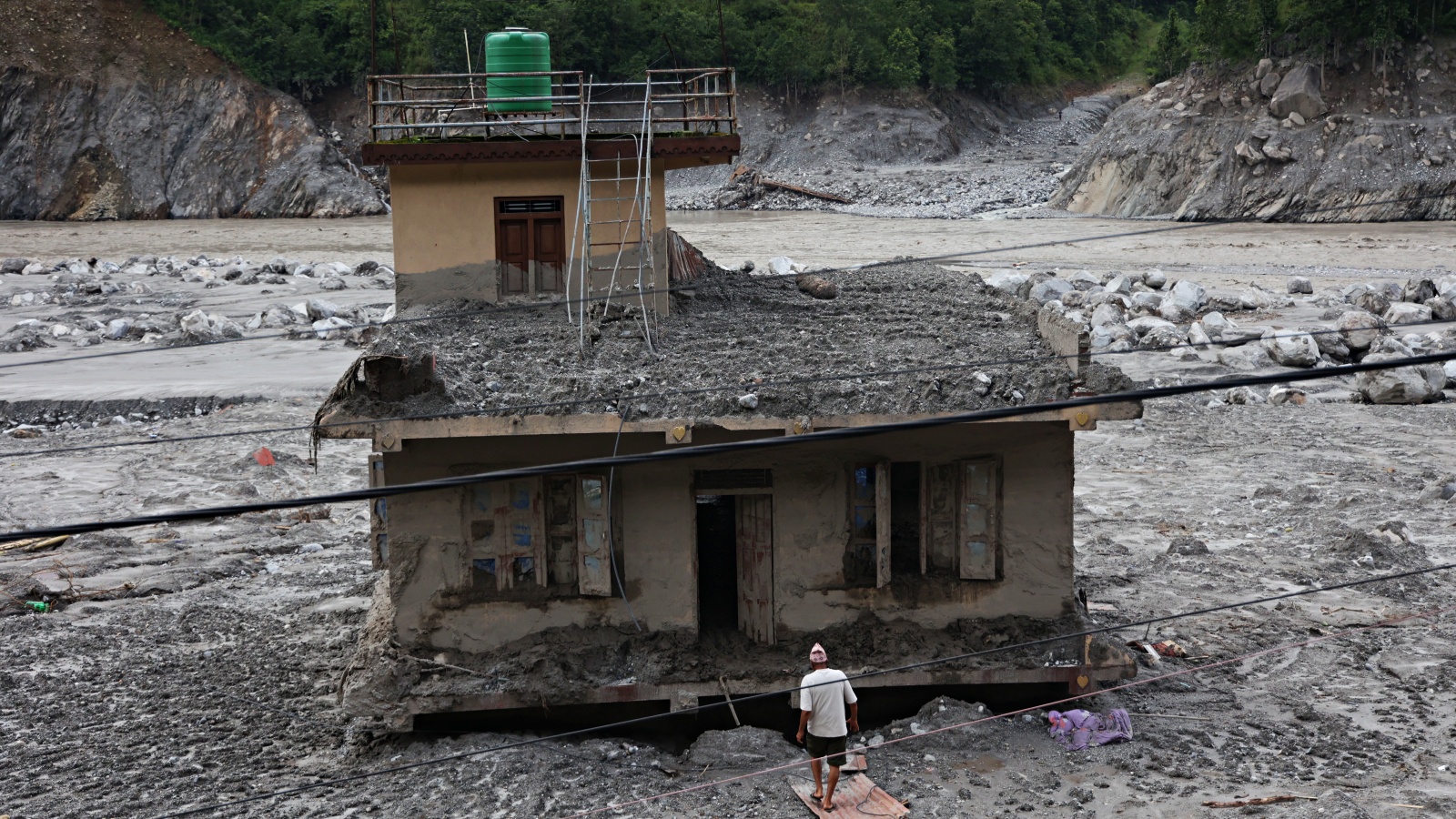
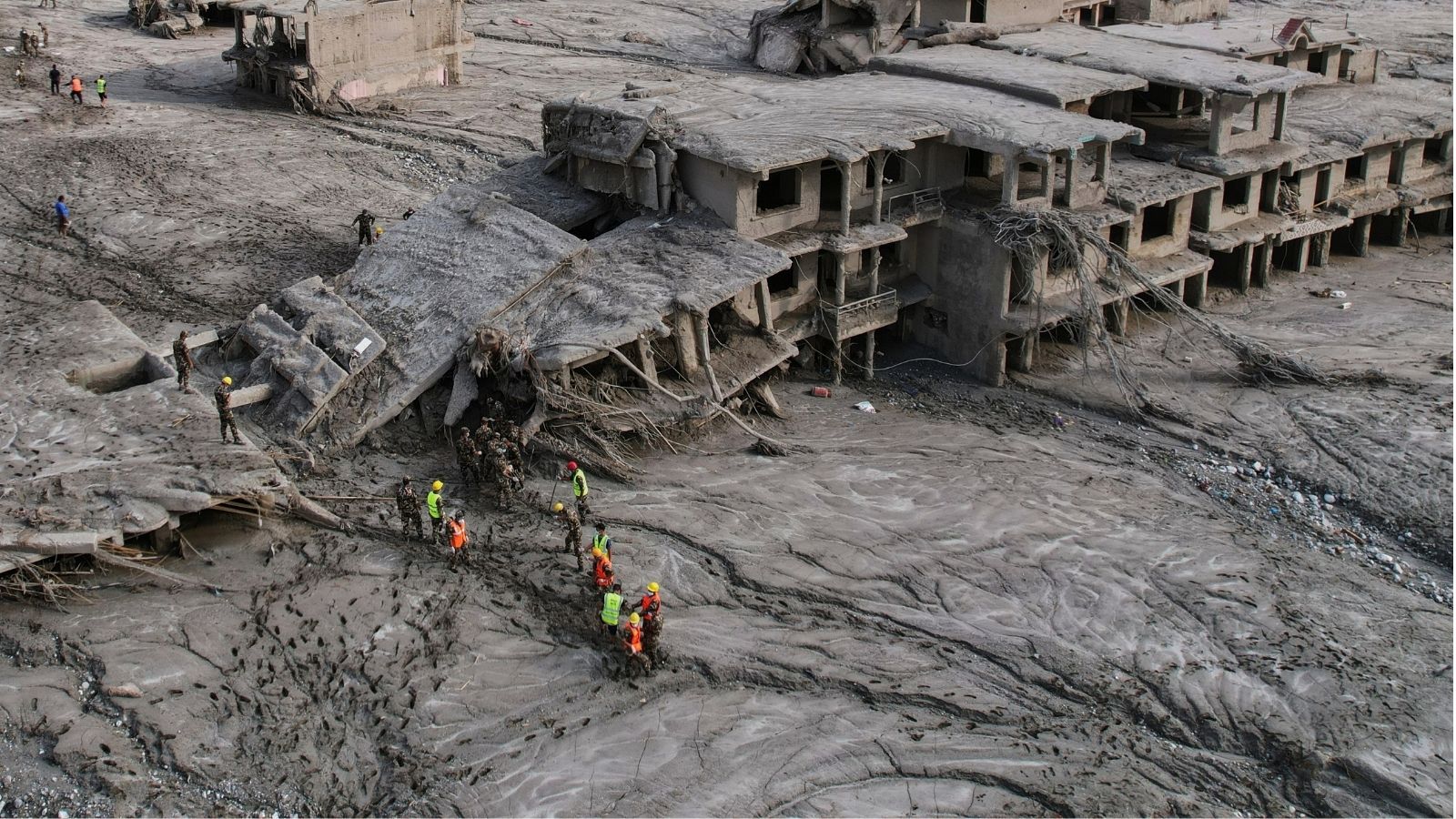
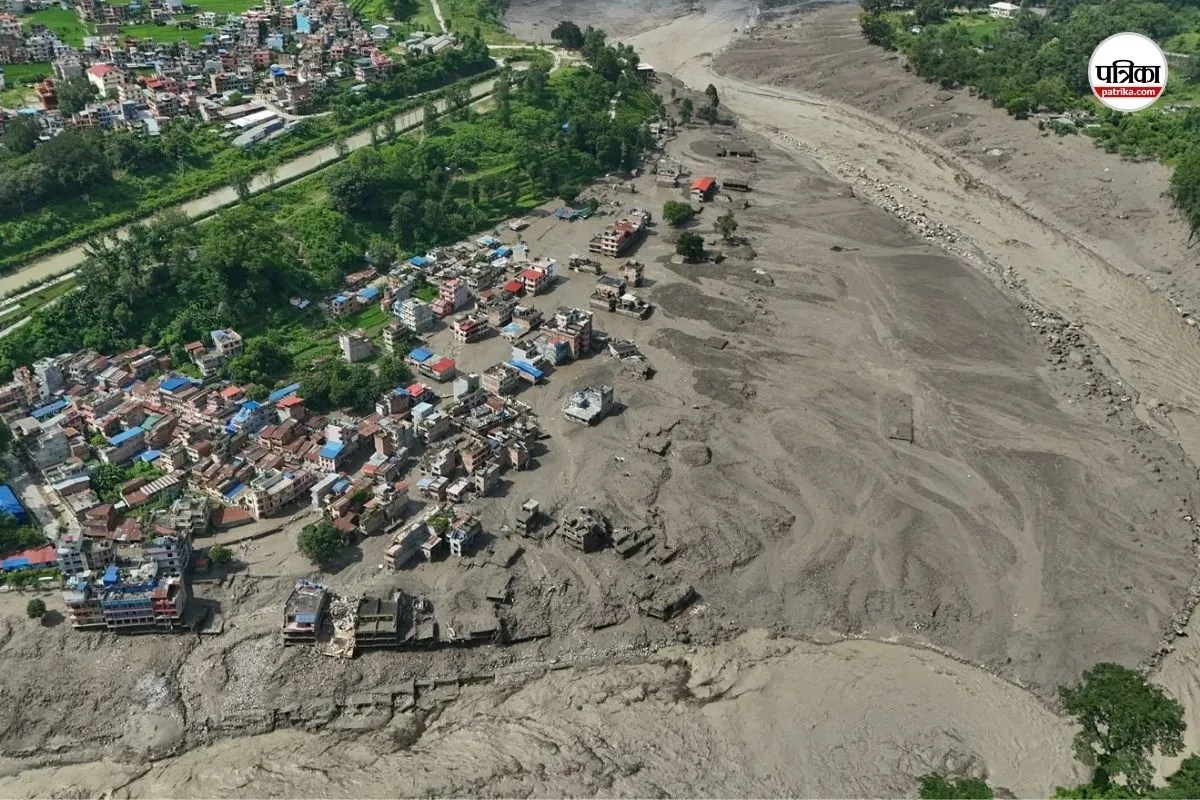
The sequence began when a Russian strike hit a logistics warehouse. Official statements later confirmed what residents on the ground already knew from the scale of the secondary blasts. The facility was storing defense assets, including shells, mines, and drone components. When the initial projectile connected, the subsequent detonations leveled structures across a wide radius, damaging over 50 residential buildings and tearing through a local care home for the elderly and disabled.
This was not an isolated administrative failure. Weeks prior, a nearly identical disaster unfolded in the Kyiv suburb of Vyshneve, where an ammunition depot detonation killed 22 people and obliterated neighboring houses. Prime Minister Serhii Koretskyi did not mince words in the aftermath of the Myla tragedy, publicly rebuking officials for failing to learn from previous bloodstains. In the fifth year of a total war, housing high-explosive ordnance near civilian neighborhoods is more than a logistical error. It is an invitation to catastrophe.
The structural vulnerability points to a broader systemic strain. Ukrainian leadership is currently attempting to scale up asymmetric retaliation, driving daily long-range drone strikes deep into Russian logistics hubs and oil infrastructure. President Volodymyr Zelenskyy has pushed to increase these domestic launches significantly. But as the industrial output for the war effort ramps up, the internal supply chain faces a dangerous crunch. Warehouses, sorting centers, and assembly nodes are squeezed into whatever commercial real estate remains standing. Safety buffers are routinely ignored out of sheer desperation for space.
On the other side of the ledger, the aerial threat profile over Kyiv is shifting. Moscow is increasingly deploying jet-powered drones alongside traditional loitering munitions and ballistic missiles. These high-speed systems compress the warning time for air defense units and civilians alike. Deputy head of the presidential office Pavlo Palisa admitted publicly that defensive measures are struggling to keep pace with these evolving vectors. When interceptor response times shrink, the margin for error disappears.
When military hardware is co-located with civilian populations, the distinction between a front-line defensive position and a residential street blurs with lethal consequences. Families living in Bucha and surrounding districts are paying the price for a structural oversight that authorities have repeatedly promised to fix, yet failed to untangle.
Accountability is now the central demand from an exhausted public. Investigations have been promised, but the systemic pressures driving these dangerous placements remain active. Until the distribution of military logistics is entirely decoupled from civilian residential zoning, every warehouse becomes a potential ground zero.
The sirens will sound again across the capital region, and the debate over air defense interceptor shortages will continue to dominate strategic briefings. But the next tragedy of this scale may not depend on the trajectory of a missile. It rests entirely on whether the state has the discipline to move its own munitions away from the people it is sworn to protect.