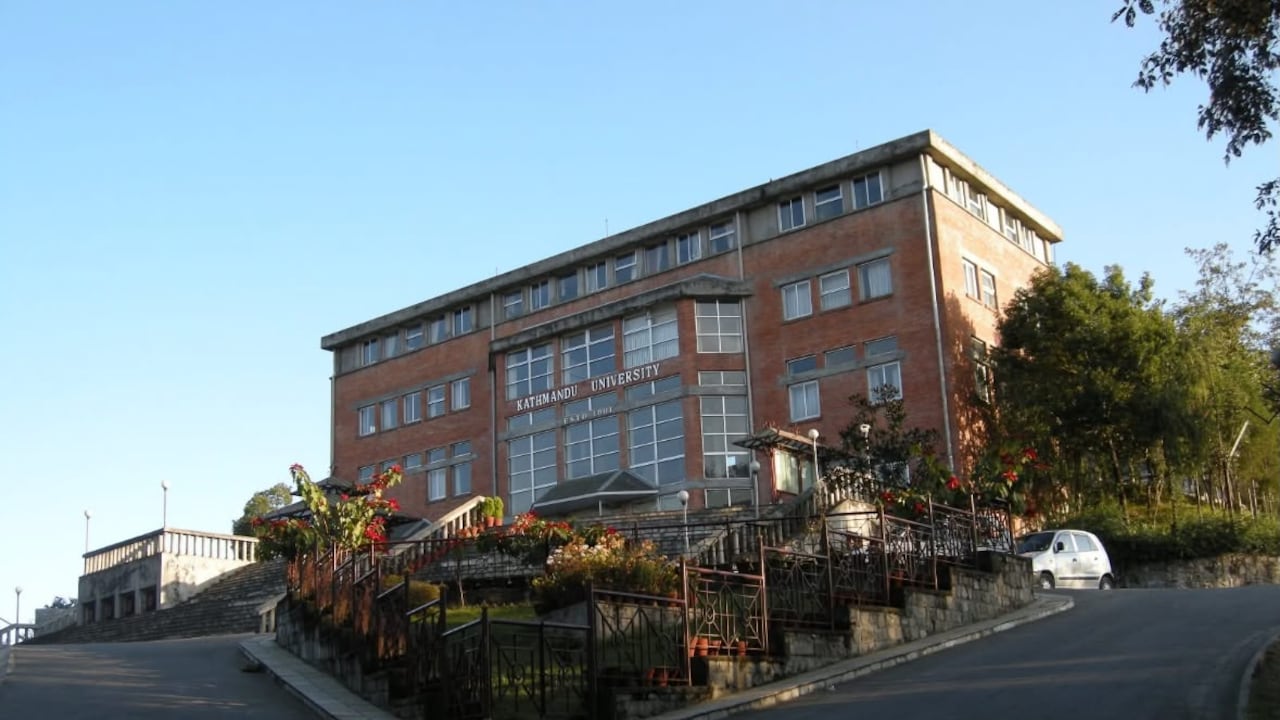
The notification arrived quietly. Four years of meticulous planning evaporated in an afternoon.
Kathmandu University received a direct directive from Nepal's central bureaucracy to pull the plug on the 17th Seminar of the International Association for Tibetan Studies. This academic gathering was slated to bring hundreds of global researchers to Nepal. Instead, it became the latest casualty of cross-border anxiety and quiet diplomatic arm-twisting.
Official channels denied any foreign interference. They blamed administrative prudence and security risks. Seasoned observers recognized a familiar script. When sovereign states buckle under subtle pressure from rising Asian superpowers, the official explanation rarely matches the geopolitical reality.
Understanding what happened in Kathmandu requires looking past the bland bureaucratic press releases. This incident reveals how academic freedom gets crushed in the gears of bilateral diplomacy.
Anatomy of a Last-Minute Veto
The International Association for Tibetan Studies seminar represents the premier global forum for scholarship on Tibetan history, religion, and culture. Organizing such a massive event takes years of logistical coordination, funding security, and institutional backing. Kathmandu University, through its Himalaya Centre for Asian Studies, had completed preparations. Scholars worldwide had booked flights. Hotels were secured.
Then came the intervention. Chief Secretary Govinda Bahadur Karki bypassed standard cabinet reviews to transmit a verbal and written advisory to university leadership. The instruction was simple and absolute. Suspend the program immediately because the current environment and circumstances were deemed inappropriate.
Publicly, Home Minister Sudan Gurung had maintained just days prior that the seminar would proceed under routine security vetting. Intelligence agencies had reviewed the proposals and found no credible domestic threat. The sudden pivot from green light to abrupt cancellation highlights a fracture within Nepal's administrative apparatus. Executive actors pulled the emergency brake without legislative debate or transparent justification.
The Diplomatic Footprint
While Kathmandu officials insisted the decision stemmed from domestic safety concerns, diplomatic calendars tell a different story. Beijing's engagement on the matter had intensified sharply in the weeks leading up to the cancellation.
Chinese Ambassador Zhang Maoming met with Nepal's Foreign Secretary Amrit Bahadur Rai. The explicit agenda focused on vigilance regarding potential commentary surrounding Tibet and regional figures. Shortly thereafter, high-ranking delegations linked to the Chinese political structure arrived in Kathmandu for high-level consultations.
Timing matters in investigative reporting. The conference also collided with the implementation of Beijing's strict legal frameworks regarding ethnic unity. Security planners in China view any unmonitored gathering of Tibetan studies scholars as a potential vulnerability. Even purely academic discourse carries inherent risks for a regime obsessed with narrative control.
Nepal occupies a delicate geographical and economic position. Sandwached between two massive Asian giants, Kathmandu relies heavily on trade, infrastructure investments, and aid from its northern neighbor. When Beijing expresses anxiety over a conference, Nepali officialdom tends to fold long before public pressure becomes untenable.
The Cost to Academic Freedom
Universities exist to foster open inquiry. When a university administration acts as an arm of foreign policy enforcement, its institutional credibility erodes.
Professor Sagar Raj Sharma of Kathmandu University publicly navigated an impossible position, noting that organizers had experienced no direct pressure from Chinese entities while simultaneously acknowledging the government directive that forced their hand. The university was left holding the bag, absorbing international criticism while lacking the authority to reverse the state's mandate.
Scholars who spent decades building expertise in Tibetan language and history now face a chilling reality. Geographical zones historically open to Tibetan studies are shrinking. Nepal has long hosted a prominent exile Tibetan community, but local authorities enforce strict rules prohibiting any perceived anti-China political activity.
Bending university lectures to satisfy foreign sensitivities sets a dangerous precedent. Once a state establishes that academic events can be canceled arbitrarily via administrative phone calls, self-censorship becomes the default survival mechanism for every educational institution in the country.
Geopolitical Realities of Buffer States
Small nations bordering regional superpowers walk a permanent tightrope. Nepal's foreign policy officially adheres to non-alignment. Economic realities often dictate absolute compliance.
Infrastructure projects funded through foreign agreements require stable diplomatic channels. A single high-profile conference featuring international specialists discussing Tibetan demographics, culture, or historical texts is viewed in Beijing as a potential public relations hazard. For Kathmandu's risk-averse leadership, the path of least resistance involves sacrificing academic integrity to preserve bilateral harmony.
The government's denial of foreign pressure rings hollow against the backdrop of historical precedent. Similar academic and cultural events have faced quiet obstruction whenever foreign sensitivities are triggered. Sovereignty is frequently compromised not through overt military conquest, but through quiet telephone calls between bureaucrats.
The cancellation of the Kathmandu seminar leaves a deep scar on international scholarship. More importantly, it demonstrates how easily domestic sovereignty yields to external dominance when powerful neighbors express displeasure. The truth of the matter remains buried under diplomatic obfuscation, but the message delivered to the academic community is unmistakable. Research stops where foreign policy concerns begin.