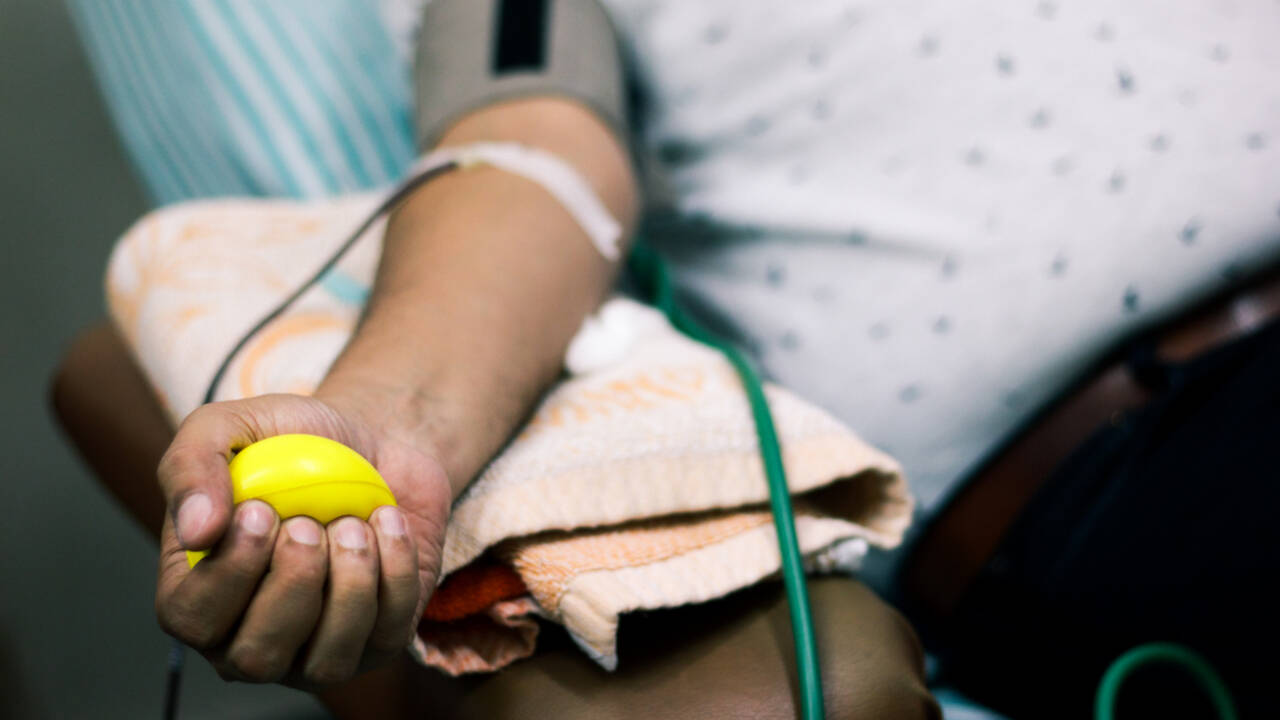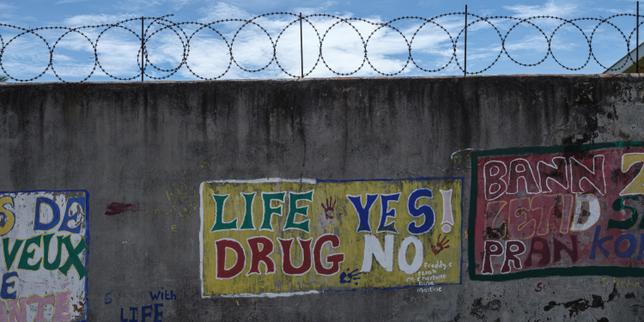
The island nation of Seychelles faces a quiet public health emergency as a surge in multi-addiction and intravenous drug use fuels rising human immunodeficiency virus transmission rates. While free syringe distribution programs remain a central pillar of infection control strategies on the islands, the structural realities of managing concurrent substance dependencies complicate traditional harm reduction models.
Public health officials tracking epidemiological shifts across the archipelago have noted a distinct transition. Viral transmission vectors have drifted away from historical norms, increasingly concentrating within populations of people who inject drugs. This shift exposes the limitations of isolated interventions when layered against compounding socio-economic vulnerabilities and persistent pharmacological dependencies.
The Mechanics of the Crisis
Injecting heroin and concurrent psychoactive substances creates a compressed epidemiological footprint. Small island states feature tightly knit social networks, accelerating the velocity at which blood-borne pathogens circulate when sterile equipment access breaks down. Hepatitis B, hepatitis C, and human immunodeficiency virus frequently co-occur within these cohorts, compounding clinical management challenges for local medical infrastructure.
Handing out clean needles is only an intermediate step. Without simultaneous structural access to medication-assisted treatment, psychological stabilization, and secure housing, syringe distribution functions merely as a temporary shield against an advancing tide. The clinical reality demands an honest appraisal of multi-addiction dynamics. Polysubstance users present treatment profiles that reject standard, single-track therapeutic approaches.
Overcoming Institutional Barriers
Stigma remains a formidable obstacle. Users navigating concurrent dependencies often avoid public health outposts out of fear of criminalization or social alienation. Peer-led distribution networks and decentralized access points have emerged as necessary countermeasures, yet scale remains an ongoing constraint. Financing sustainable supplies of sterile injection equipment, rapid testing kits, and safe disposal receptacles requires consistent budgetary prioritization that small island economies find difficult to maintain.
Consider a hypothetical scenario where an urban clinic distributes thousands of sterile needles monthly but lacks a corresponding supply of rapid oral diagnostic swabs or local detoxification slots. The intervention slows pathogen transmission in the short term while leaving the underlying drivers of high-risk injection behavior completely unaddressed. Harm reduction must evolve past simple distribution metrics to encompass comprehensive medical integration.
Rethinking the Public Health Blueprint
Medical practitioners on the ground understand that treating addiction as a moral failing rather than a chronic medical condition guarantees programmatic failure. The strategic response requires expanding opioid substitution therapies directly alongside needle exchange services. Policy frameworks must protect participants from punitive interference, ensuring that health-seeking behavior does not trigger legal penalties.
Isolating harm reduction from broader social support structures guarantees continuous cycles of relapse and reinfection. Addressing the core vulnerabilities means treating the entire spectrum of human dependency, acknowledging that sterile equipment alone cannot fix a frayed social fabric. The architecture of care must match the complexity of the addiction crisis unfolding across the islands, moving beyond basic distribution to build resilient medical pathways that endure long after the initial emergency subsides.