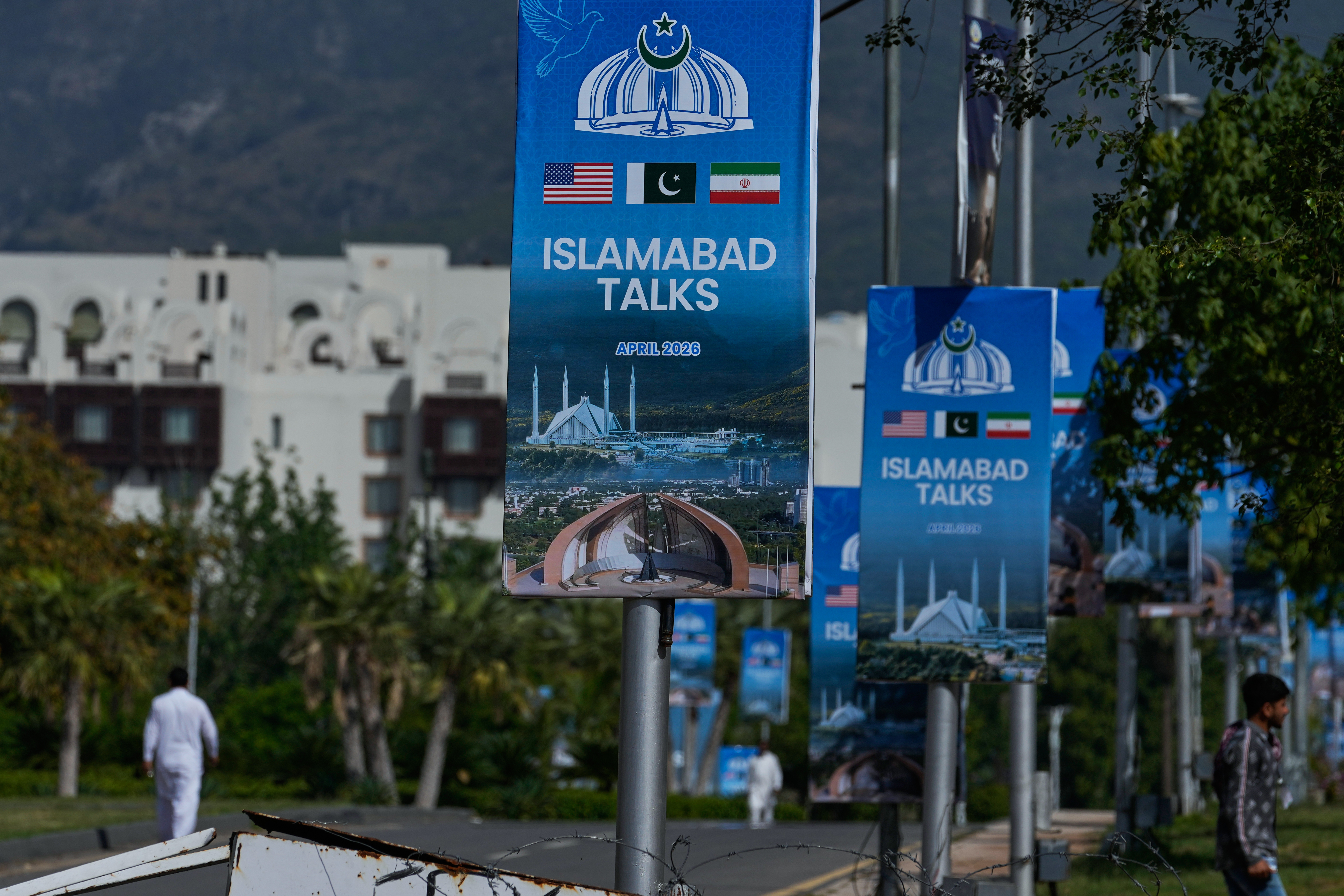
The fragile silence across the Persian Gulf is about to be replaced by the roar of afterburners. As of Tuesday, the fourteen-day ceasefire between the United States and Iran is tethered to a countdown clock that expires in less than twenty-four hours. While diplomats in Islamabad wait in empty conference rooms, the reality on the ground suggests that neither Washington nor Tehran is looking for an exit ramp. Instead, they are positioning for a more violent second act.
The primary obstacle to a renewed truce is a fundamental clash of leverage. President Donald Trump, speaking to CNBC on Tuesday morning, made it clear that he has no intention of extending the April 8 ceasefire without immediate, sweeping concessions. His logic is rooted in the "maximum pressure" doctrine on steroids: the U.S. Navy is currently enforcing a total blockade of Iranian ports, and the Pentagon has confirmed the boarding of the sanctioned tanker M/T Tifani in the Indian Ocean. From the White House perspective, the Iranian economy is a pressurized vessel, and the only way to get a "great deal" is to let the pressure build until it cracks. Read more on a connected subject: this related article.
Tehran, however, is playing a different game. By refusing to send a formal delegation to Pakistan at the eleventh hour, the Iranian leadership is signaling that it will not be coerced into a "surrender ceremony" masquerading as diplomacy. This is not mere posturing. The Iranian military has utilized the two-week pause to reposition mobile missile batteries and deploy Chinese-made YLC-8B anti-stealth radar systems. They are betting that the global energy market, already reeling from the closure of the Strait of Hormuz, cannot withstand a prolonged campaign of infrastructure destruction.
The Blockade and the Brink
The current conflict is no longer a shadow war. It is a direct, conventional confrontation that began in February 2026 with massive U.S. and Israeli strikes on Iranian nuclear and military sites. The ceasefire was supposed to provide a window for Vice President JD Vance to negotiate a "zero enrichment" deal. Instead, it has become a tactical breathing spell. Further reporting by NPR explores related perspectives on this issue.
U.S. forces have established a definitive blockade line running from Ras al Hadd, Oman, to the Iran-Pakistan border. Any vessel crossing this line is subject to seizure or engagement. This is a significant escalation from the "Tanker Wars" of the 1980s. The U.S. is not just protecting shipping; it is actively choking the lifeblood of the Iranian state.
Key sticking points preventing a breakthrough include:
- The Uranium Stockpile: Washington demands the total removal of all highly enriched uranium from Iranian soil. Tehran has countered with a proposal to "down-blend" the material or move only a small fraction, which the U.S. has flatly rejected.
- The Duration of the Freeze: The U.S. is pushing for a 20-year pause on all enrichment activities. Iran’s opening bid was a mere three to five years.
- Regional Proxies: The Trump administration wants a verified dismantling of Hezbollah, Houthi, and Hamas military capabilities. While Iran hinted at a freeze on these groups' activities in Muscat last year, the Revolutionary Guard (IRGC) has since reasserted control over the negotiating narrative, dismissing such concessions as "unacceptable."
The Islamabad Ghost Ship
Pakistan’s role as a mediator has placed it in an impossible position. As one of the few regional players with a functional relationship with both sides, Islamabad was the natural choice for a neutral venue. However, the Pakistani military is now watching as its diplomatic triumph evaporates.
Iranian state television has been broadcasting a consistent message of defiance, claiming no delegation has even departed for the talks. This internal messaging is designed for a domestic audience that has seen over 3,000 casualties since the war began in February. For the Supreme Leader, appearing to crawl to the negotiating table under the threat of "lots of bombs"—as Trump phrased it—is a greater risk to the regime's survival than the bombs themselves.
The Economic Aftershock
The geopolitical fallout is already being felt in the currency markets. The United Arab Emirates, a key U.S. ally, has seen its oil-dependent economy rattled by the disruption in the Strait. There are active discussions in Washington regarding a currency swap to help the UAE secure U.S. dollars. This highlights a critical flaw in the U.S. strategy: while the blockade hurts Iran, it also bleeds America's regional partners.
If the ceasefire expires on Wednesday without an extension, the Pentagon is "raring to go." Targets for the next phase of operations are rumored to include Iran’s civilian power grid and domestic fuel refineries. This shift toward targeting infrastructure would mark a transition from a targeted military campaign to a "total war" scenario designed to trigger domestic collapse.
The Strategy of No Return
There is a growing sense among analysts that the U.S. administration believes it has already crossed the Rubicon. By seizing Iranian cargo vessels and publicly dismissing the ceasefire extension, the White House has left itself little room for compromise without losing face.
The Iranian response will likely be asymmetrical. Rather than a direct naval confrontation with the U.S. Fifth Fleet, expect intensified drone swarms targeting desalination plants in the Gulf and cyber-attacks on global financial hubs. Tehran’s "new cards on the battlefield" likely involve advanced Russian or Chinese electronic warfare suites designed to blind U.S. precision munitions.
We are no longer looking at a diplomatic stalemate; we are looking at the final hours of a failed peace. The Islamabad talks were never about finding common ground. They were a test of who would blink first under the shadow of total regional war. As the sun sets over the Gulf on Tuesday, both sides seem perfectly content to let the darkness fall.