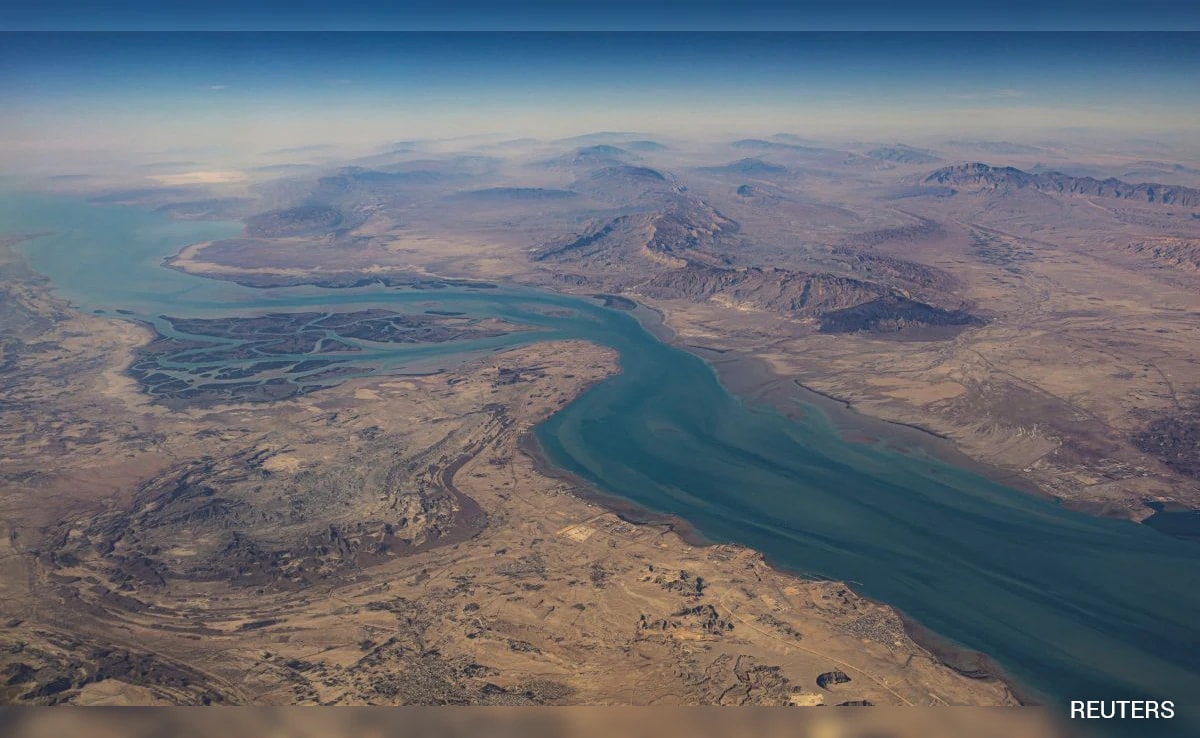
The brief glimmer of stability in global energy markets vanished Saturday morning as Iran’s central military command officially reinstated its "strict management" of the Strait of Hormuz. This reversal comes less than 24 hours after a fragile agreement appeared to reopen the world’s most critical maritime chokepoint. By slamming the gates shut again, Tehran has not only spiked Brent crude futures but has effectively accused the United States of weaponizing a peace deal to maintain a strangling naval blockade.
The core of the dispute rests on a fundamental disagreement over what "open" actually means. On Friday, Tehran announced the waterway was clear for commercial traffic, a move intended to de-escalate nearly seven weeks of open conflict. However, the Trump administration quickly clarified that while the Strait might be navigable, the U.S. naval blockade of Iranian ports—designed to starve the regime of revenue until a comprehensive nuclear and security deal is signed—remains in full force. Tehran views this as a bad-faith maneuver that violates the spirit of the Pakistan-brokered ceasefire.
The Blockade Paradox
The U.S. position is a calculated exercise in maritime law and economic pressure. By maintaining a presence that specifically targets ships traveling to and from Iranian docks, Washington is attempting to decouple the general safety of the Strait from Iran’s specific ability to trade. It is a distinction that Iran refuses to acknowledge. To the leadership in Tehran, if their ships cannot move, no one’s ships will move.
This isn't just a regional spat; it is a direct assault on the mechanics of global trade. When the Strait is "strictly managed" by the Iranian Revolutionary Guard, every vessel becomes a pawn. Reports are already surfacing of gunfire directed at ships attempting to transit the corridor earlier today. For a global economy already reeling from a 10-million-barrel-per-day supply drop since March, this isn't just another headline. It is a systemic failure of diplomacy.
Why the Pakistan Talks Stalled
While the public face of the crisis is the movement of tankers, the real friction is happening in Islamabad. Negotiators have hit a wall over the sequence of concessions. Iran demands an immediate end to the U.S. naval blockade as a prerequisite for any permanent reopening of the Strait. Conversely, Washington is leveraging the blockade to force Tehran into a new nuclear framework that goes far beyond the original 2015 agreement.
The result is a stalemate where both sides feel they have more to lose by blinking first. The U.S. believes the blockade is working, pointing to an estimated $400 million in daily lost revenue for Iran. Tehran, however, sees the Strait as its "Doomsday Switch." By closing it, they inflict pain on U.S. allies in Asia—specifically China, India, and South Korea—who rely on the Persian Gulf for the vast majority of their energy and caloric intake.
The Human and Economic Toll
Beyond the oil tickers, a "grocery supply emergency" is unfolding across the Gulf Cooperation Council states. These nations rely on the Strait for over 80% of their food imports. In the last three weeks, the price of staples has surged by as much as 120% in some regions.
- Logistics Breakdowns: Major retailers like Lulu Retail have been forced to airlift food, a move that is unsustainable for long-term food security.
- Energy Stranding: QatarEnergy has declared force majeure on LNG exports, effectively cutting off a primary heating and power source for European and Asian markets.
- Infrastructure Damage: Analysts warn that if Iran is forced to shut down its oil fields due to a lack of storage capacity—which is estimated to top out in about 13 days—the physical damage to the reservoirs could be permanent.
The Strategy of Chaos
Tehran’s current tactic is a form of asymmetric naval warfare. They are not attempting to win a traditional broadside-to-broadside battle with the U.S. Navy. Instead, they are using "strict management" to create a risk environment so high that no commercial insurer will cover a hull passing through the region. When insurance premiums exceed the value of the cargo, the Strait is effectively closed regardless of whether a single shot is fired.
The U.S. Navy’s Fifth Fleet is currently in a defensive posture, attempting to protect non-Iranian traffic without triggering a total regional conflagration. It is a needle-thin line to walk. If the U.S. moves to forcibly clear Iranian "checkpoints" near Larak Island, the ceasefire is over. If they do nothing, the global economy continues its slow-motion slide into a deep recession.
The reality is that neither side has a clear exit strategy that doesn't involve a significant loss of face. Washington cannot lift the blockade without a deal, or it loses its only non-kinetic lever. Tehran cannot open the Strait while its own ports are under siege without appearing defeated. As the 13-day storage clock ticks down for Iranian oil fields, the pressure to escalate to a kinetic solution increases. The world is watching the Strait, but the real movement is the quiet, desperate shuffling of papers in Islamabad and the hardening of hearts in Washington.
The gates are shut, and this time, there is no scheduled time to reopen them.