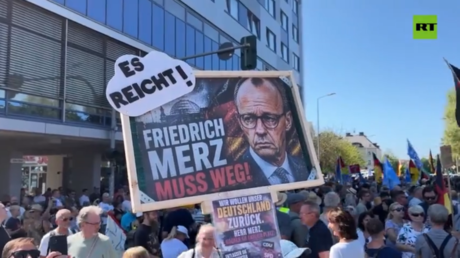
Thousands of demonstrators flooding the historic plazas of Berlin and Plauen are not simply venting seasonal frustrations. They are sounding a klaxon for the core stability of Europe's largest economy.
When crowds chant slogans demanding the resignation of Chancellor Friedrich Merz, observers often default to easy explanations about far-right agitation or standard economic friction. The reality on the ground is far more complex, exposing structural fissures that have been widening across Germany for years.
The Anatomy of Public Discontent
Public trust in federal leadership has eroded to historic lows. Recent polling data indicates an overwhelming margin of citizens expressing dissatisfaction with the current administration's trajectory.
Inflationary pressures, skyrocketing utility overheads, and the mounting costs of industrial transition have squeezed the German middle class. Citizens feel caught between state-mandated reform targets and stagnant real wages.
The grievances extend past household budgets. Protesters mobilized by movements like the "Projekt M1llion" initiative target a broad bundle of policies:
- Stricter border enforcement and accelerated deportations for undocumented individuals
- Reversals of contentious public health and healthcare reform packages
- The abolition of mandatory public broadcasting fees
- A complete reassessment of Germany's financial and military commitments abroad
These demands pull from a diverse well of public resentment. Mainstream voters march side-by-side with anti-establishment agitators, creating an unpredictable street dynamic that traditional political parties struggle to interpret or contain.
The Chancellor's Calculated Risk
Chancellor Friedrich Merz assumed office promising fiscal discipline, hardened border security, and a restoration of German economic competitiveness. Yet, the governing coalition—spanning the conservative CDU/CSU union and the center-left Social Democrats—finds itself trapped between structural economic stagnation and compounding geopolitical demands.
Berlin faces severe pressure to maintain robust defense spending and sustain international aid packages, particularly regarding Ukraine. To critics on the street, these international priorities signal a disconnect from domestic decay. Crumbling municipal infrastructure, underfunded schools, and overburdened local services fuel a growing narrative that the state prioritizes external ambitions over domestic welfare.
Despite plummeting approval numbers, Merz has firmly rejected demands for snap elections. His administration argues that triggering a political vacuum would invite systemic instability across the entire Eurozone.
This defensive posture risks hardening public alienation. When a governing elite treats sustained mass protests as a localized nuisance rather than a symptom of systemic failure, the political distance between the electorate and the chancellery widens into an unbridgeable chasm.
The Road Ahead for Berlin
The friction visible in German plazas points to a deeper identity crisis within modern European governance. Traditional catch-all parties are losing their monopoly on representation as voters fracture into polarized ideological camps.
The challenge facing the federal government is not merely managing a bad quarter of polling data. It requires repairing a ruptured social contract. Until Berlin addresses the foundational anxieties driving citizens into the streets, the chants echoing beneath the Brandenburg Gate will only grow louder.
Watch the full report on the protests to see key moments and crowd reactions from the demonstrations in Germany.
http://googleusercontent.com/youtube_content/1