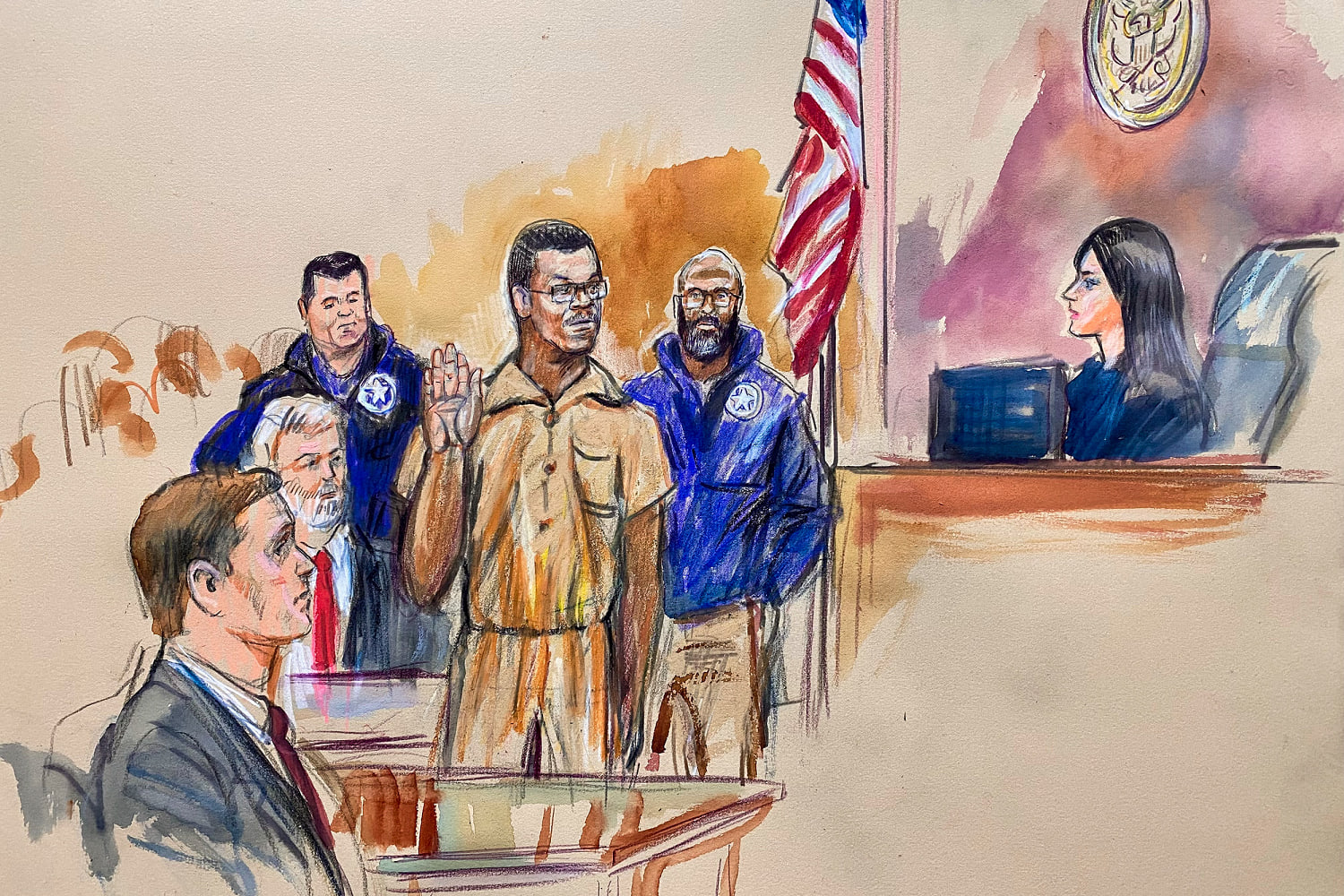
Right-wing political figures and allied legal architects are mounting a coordinated campaign to completely halt the remaining active federal prosecutions stemming from the January 6 Capitol attack. This isn't just about political rhetoric anymore. It is a systematic, quiet dismantling of the final docket inside federal courtrooms in Washington, D.C. Attorneys general, congressional heavyweights, and transition strategists are deploying every procedural instrument available to shutter cases before verdicts land, testing the limits of executive power and prosecutorial discretion.
For years, the narrative surrounding the federal response to the attack on the Capitol focused on numbers. Over one thousand arrests. Hundreds of convictions. Milestone trials that stretched across federal district courts, consuming millions of taxpayer dollars and exhausting judicial resources. Yet, as the calendar turns, the tail end of this historic investigative chapter faces an aggressive roadblock. Conservative lawmakers have stopped treating these proceedings as standard criminal matters. They view them through an ideological lens, framing remaining defendants as political prisoners and the prosecutors themselves as overzealous actors operating outside constitutional bounds.
The Mechanics of the Shutdown
The strategy to shut down these final cases relies on a multi-pronged approach. First comes the pressure applied via congressional committees with subpoena power. Oversight panels can demand internal Justice Department communications, personnel files, and grand jury transcripts under the guise of investigating prosecutorial misconduct. While these demands rarely yield smoking guns, they achieve a different objective. They bog down career attorneys in administrative compliance, draining the bandwidth necessary to prepare complex conspiracy and obstruction trials.
Second, there is the pivot toward executive branch pressure. Incoming administrations or sympathetic political appointees hold direct authority over prosecutorial priorities. By signaling that low-level and mid-tier cases lack institutional backing, leadership creates a chilling effect within the Department of Justice. Career prosecutors, faced with internal skepticism and the prospect of professional retaliation, find themselves weighing whether to push forward with difficult trials or quietly offer plea deals that result in minimal or time-served sentences.
To understand how we reached this point, we have to look closely at the mechanics of the Department of Justice itself. Federal prosecutions are inherently discretionary. Prosecutors decide who to charge, what charges to bring, and when to drop a case. This discretion is designed to ensure justice is administered fairly, but it also leaves the institution vulnerable to shifts in political wind. When an administration changes or when external political pressure reaches a deafening pitch, that discretion can be weaponized in reverse. Cases that once seemed airtight suddenly encounter administrative hurdles. Sentencing recommendations soften. Indictments that were months in the making are quietly shelved.
Inside the Minds of Career Prosecutors
Behind closed doors, career prosecutors express profound frustration. Many of these attorneys spent months away from their families, sifting through thousands of hours of body-worn camera footage, encrypted chat logs, and geolocation data to build meticulous cases against individuals who assaulted police officers or smashed windows. They viewed their work as a defense of democratic norms. Now, they watch as their institutional protections erode, replaced by political calculus. Some have already resigned, choosing early retirement or the private sector over what they perceive as an impending capitulation.
Consider the operational reality inside the D.C. District Court. Judges who spent years presiding over these complex trials now find themselves navigating bizarre procedural motions filed by defense teams backed by deep-pocketed conservative political action committees. These motions do not merely argue standard points of law. They challenge the very legitimacy of the prosecutions, invoking arguments about selective enforcement and executive overreach. While federal judges routinely swat away these arguments as legally meritless, the delays accumulate. Time is the ultimate asset for defendants seeking to run out the clock on a waning administration or hoping for a wholesale pardon policy.
The rhetoric surrounding these defendants has also undergone a radical transformation. What began as condemnation of violence has morphed, in certain political circles, into a narrative of institutional persecution. Talk radio, alternative media networks, and sympathetic lawmakers have successfully reframed the defendants not as rioters who breached police lines, but as martyrs of a weaponized state apparatus. This cultural shift matters immensely. It creates the political permission structure necessary for leaders to intervene directly in the justice system without facing severe electoral backlash from their base.
The Weaponization of Oversight
The implications extend far beyond the specific individuals currently sitting in pre-trial detention or awaiting sentencing. If a political faction can successfully halt federal prosecutions through sheer external pressure and administrative obstruction, it establishes a dangerous precedent for future administrations. It signals that federal criminal law is negotiable, provided the accused have enough political backing or ideological alignment with the party in power. This turns the foundational principle of equal justice under the law into an empty platitude.
Critics of the conservative push argue that abandoning these cases undermines the rule of law entirely. They point out that hundreds of individuals have already been tried, convicted, and sentenced according to established statutory guidelines. Allowing the remaining defendants to walk free or escape trial simply because of political expediency creates a glaring disparity within the judicial system. One defendant goes to prison for assaulting an officer because their case was resolved early; another escapes accountability entirely because their trial was delayed until the political winds shifted. That is not justice. That is arbitrariness wrapped in partisan packaging.
At the same time, defenders of the pushback frame it as an act of national healing and a correction of executive overreach. They argue that the Department of Justice weaponized federal resources to target political opponents, inflating charges and imposing draconian sentences for what they characterize as mere trespassing or unruly protest. From this viewpoint, shutting down the remaining prosecutions is not an evasion of law, but a restoration of constitutional balance. It is an attempt to close a deeply divisive chapter of American history and move forward.
Historical Precedents and Executive Power
This philosophical divide captures the core tragedy of the current moment. There is no shared consensus on what actually happened on January 6, let alone how the legal system should respond. When facts themselves become partisan property, the courts become just another battleground in an endless culture war. Judges try to hold the line, relying on statutes written decades ago and precedents established in entirely different political contexts, but the weight of partisan polarization strains the judicial seams to their breaking point.
Historical analogies are frequently invoked by both sides, though they rarely fit cleanly. Past administrations have certainly shifted prosecutorial priorities when new leadership took the helm, particularly regarding immigration, drug enforcement, and white-collar crime. However, intervening directly in an active, mass-conspiracy prosecution stemming from an assault on the seat of government represents a different magnitude of executive interference. It blurs the line between ordinary prosecutorial discretion and politically motivated obstruction.
Defense attorneys representing the remaining defendants view the current climate as their best window of opportunity. They are filing endless waves of supplementary motions, requesting extended discovery deadlines, and pressing for interlocutory appeals on novel constitutional questions. Every month bought is another month closer to a potential administrative pivot or an explicit directive from upper management to drop the remaining indictments. The strategy is transparent, yet highly effective within a system bogged down by its own procedural safeguards.
The Ultimate Test for the Judiciary
As the final active dockets wind through the federal courts, every motion, every hearing, and every prosecutorial decision carries outsized weight. The attorneys handling these remaining trials know they are swimming against a powerful current. They are not just litigating the actions of specific individuals on a chaotic afternoon in Washington; they are litigating the independence of the judicial branch itself. Whether these final prosecutions cross the finish line or quietly dissolve in a wave of administrative delay will determine not just the fate of a few dozen defendants, but the credibility of federal law enforcement for a generation.
The apparatus of the state is heavy, but it is ultimately steered by human hands. Those hands are currently trembling under the heat of political crossfires. The conservative campaign to shutter these cases demonstrates how fragile institutional norms truly are when confronted with relentless, coordinated political pressure. When the dust settles and the remaining dockets are either closed or carried to verdict, the true legacy of this chapter will not be found in the sentencing guidelines, but in the permanent scars left on public trust in the justice system.


