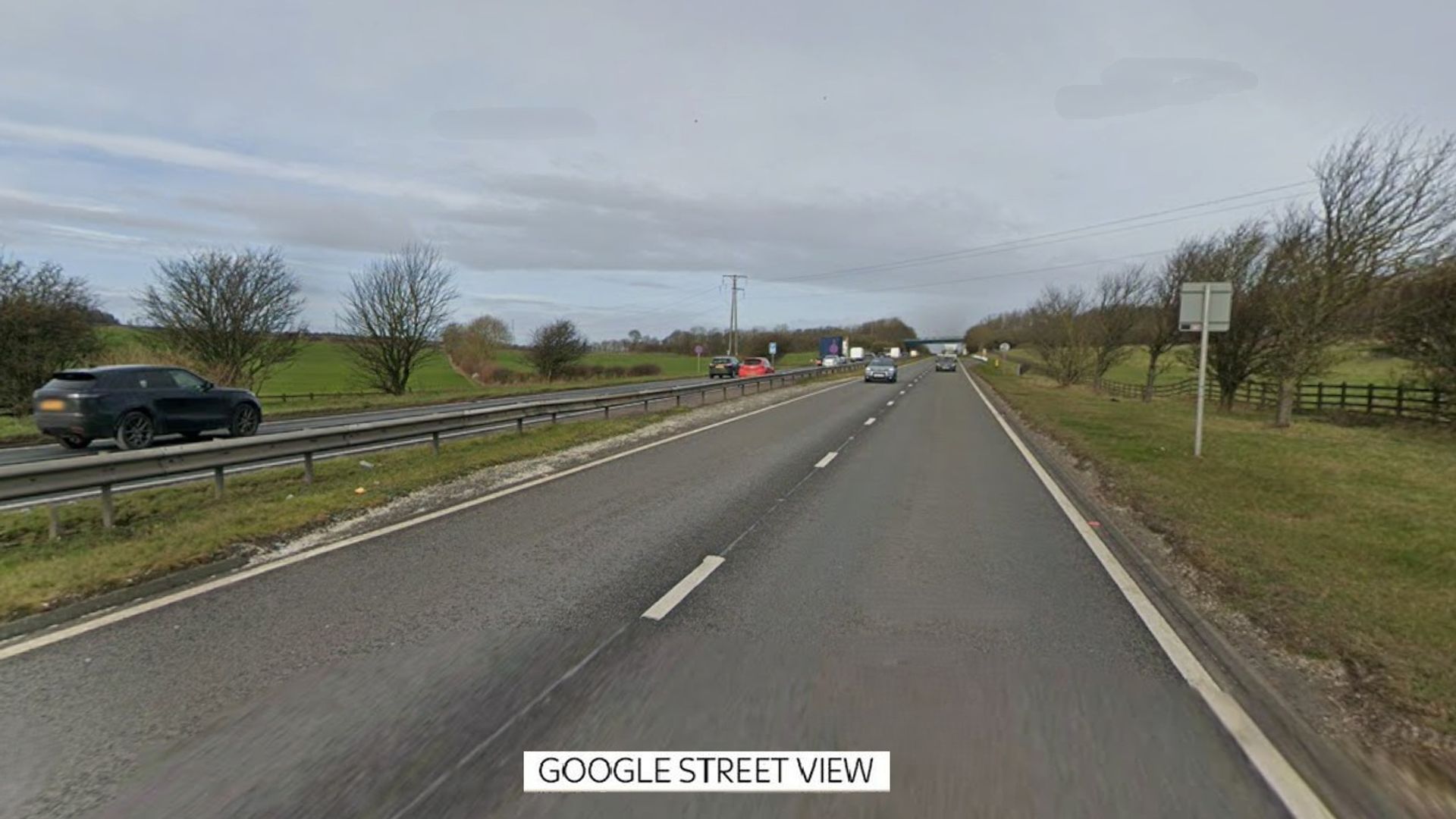
A pedestrian dies after being struck by an ambulance, highlighting a breakdown in public safety systems meant to preserve life. When an emergency vehicle operating under high-speed lights and sirens collides with the very citizens it is deployed to save, the incident is rarely an isolated tragedy. It is the end result of systemic pressures, flawed siren physics, driver fatigue, and operational blind spots in modern emergency medical services. Emergency vehicle collisions claim dozens of lives annually, yet systemic reforms remain slow, trapped between local liability fears and outdated transport protocols.
The Blind Spot of Emergency Response
Modern emergency medical response operates under a dangerous paradox. We demand rapid arrival times, measuring performance in minutes and seconds, while equipping multi-ton transport vehicles with visual and auditory warnings that often fail in real-world urban environments.
The belief that emergency lights and sirens clear a path safely is widespread. It is also dead wrong.
Sirens suffer from an acoustic reality known as sound projection failure. At high speeds, an ambulance routinely outruns the effective range of its own audible warning. Inside a modern passenger car with insulated acoustic glass, air conditioning running, and media playing, an oncoming siren becomes audible only when the emergency vehicle is mere feet away. For a pedestrian crossing an intersection, directional sound becomes distorted by high-rise buildings and ambient urban noise, making it nearly impossible to pinpoint where an approaching vehicle is coming from until collision is imminent.
The physical footprint of the vehicle compounds the hazard. An ambulance is a high-center-of-gravity box truck carrying heavy specialized equipment, patient cots, and secondary crew members. It does not handle like a passenger car. Emergency maneuvers attempted at elevated speeds frequently lead to loss of control, prolonged braking distances, and fatal impacts when pedestrians or third-party vehicles enter the right of way unexpected.
The Fatal Pressure of Lights and Sirens
Emergency medical service systems have spent decades conditioning the public and their own workforce to view every dispatch as a critical emergency requiring maximum speed. The reality on the ground tells a vastly different story.
Medical literature consistently demonstrates that running lights and sirens saves mere seconds in transit time. In the vast majority of medical calls, those saved seconds have zero impact on clinical patient outcomes. Yet, the risk of a fatal crash increases exponentially whenever a driver engages red lights and sirens.
The Auditory Tunnel Vision Effect
When a driver activates emergency equipment, their own physiology changes instantly. Heart rates spike. Peripheral vision narrows. The phenomena known as hyper-vigilance sets in, leading to aggressive driving behaviors:
- Driving through red lights without coming to a complete stop.
- Expecting civilian traffic and pedestrians to yield instantly, regardless of visibility.
- Miscalculating stopping distances on wet or uneven pavement.
- Driving in oncoming traffic lanes around blinded intersections.
This adrenaline-fueled state creates a psychological illusion of safety. Operators assume that because their lights are flashing, the road ahead is clear. Pedestrians, meanwhile, often assume that an approaching ambulance driver sees them. When these two false assumptions meet at forty miles per hour, the result is catastrophic.
The Overworked Crew Behind the Wheel
Vehicle design and sound physics explain part of the crisis, but the human element inside the cab dictates the rest. Emergency medical technicians and paramedics face chronic staffing shortages, grueling shift schedules, and intense sleep deprivation.
It is common across the industry for EMS crews to work 12-hour, 24-hour, or even extended back-to-back shifts with minimal downtime between calls. Fatigue impairs judgment, slows reaction times, and degrades spatial awareness just as severely as alcohol intoxication. Yet, we place fatigued emergency responders behind the wheel of an 11,000-pound emergency vehicle and demand they navigate dense traffic under extreme pressure.
Dispatch protocols exacerbate the strain. System Status Management, a predictive deployment strategy used by many municipalities, forces units to move continuously between designated street corners to cover potential coverage gaps. Instead of resting at stations between calls, crews spend hours idling or driving in traffic, compounding physical exhaustion long before an emergency dispatch occurs.
Rethinking the Priority Dispatch System
Fixing this deadly pattern requires dismantling the assumption that every call demands a high-speed response.
Cities that have successfully reduced emergency vehicle collisions started by overhauling their dispatch triage systems. By using evidence-based protocol suites, dispatchers can accurately separate true life-threatening emergencies—like cardiac arrests, severe trauma, or airway obstructions—from non-emergent medical transportation requests.
When non-critical calls are assigned a standard traffic response without lights and sirens, emergency vehicle crash rates drop significantly. Drivers remain calm, vehicle speeds match ambient traffic, and the risk to pedestrians decreases without compromising patient care.
Emergency vehicle driver training must also evolve. Basic emergency driving courses often focus on slalom maneuvers and reverse parking rather than cognitive risk management, sound propagation limits, and fatigue awareness. Training needs to emphasize defense over speed.
Until municipalities measure EMS quality by clinical outcomes rather than raw response times, emergency vehicles will continue to pose an unnecessary hazard to the communities they serve. An ambulance cannot save a life if it fails to reach its destination safely.