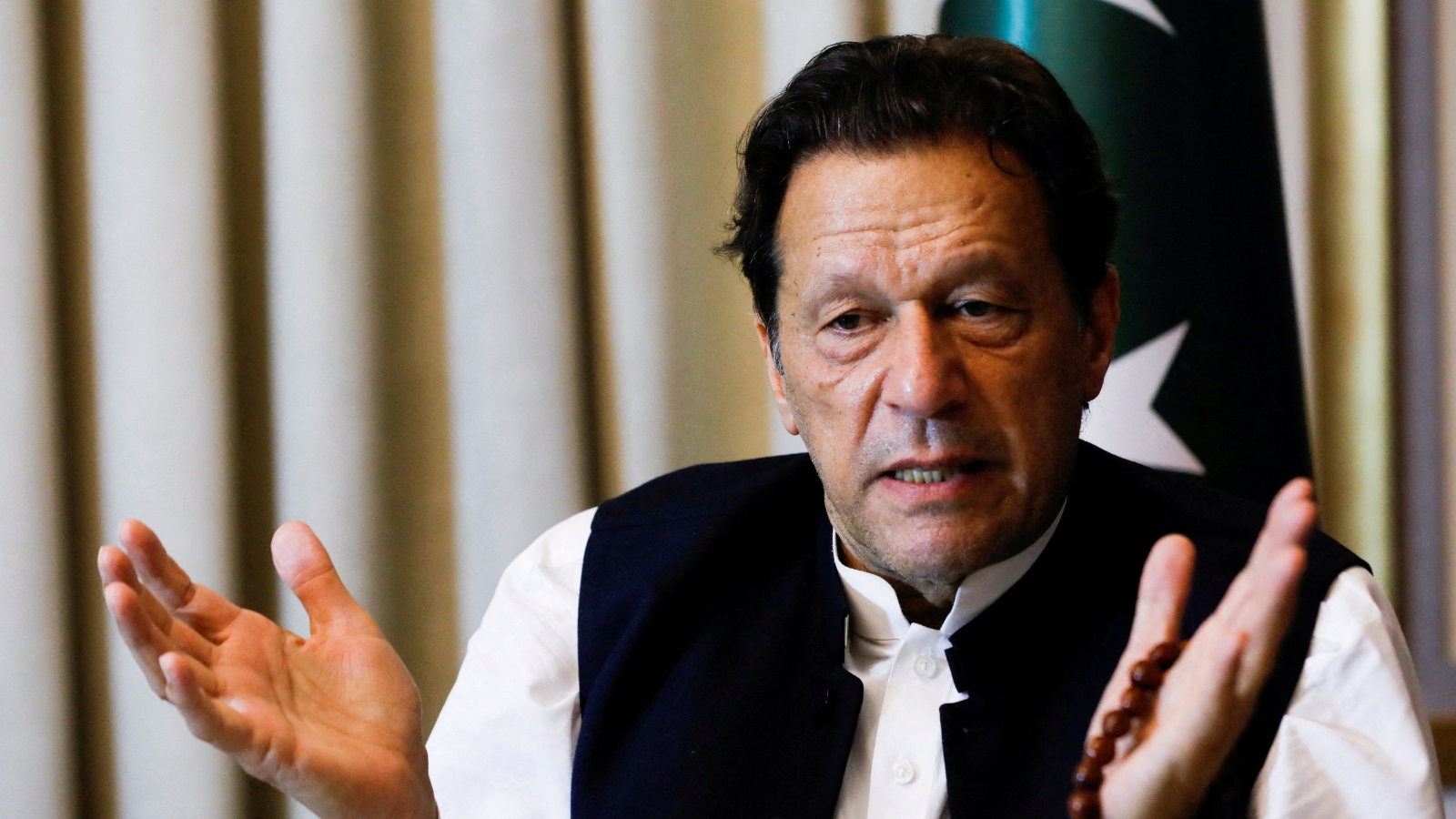
Washington has moved past quiet pressure and entered a phase of open economic warfare against Tehran. Operation Economic Outcast has upended what remained of Iran's formal trade channels, forcing President Masoud Pezeshkian to publicly concede that foreign trade has shriveled by over thirty percent. For years, state officials maintained a rigid public stance that foreign restrictions bounced harmlessly off domestic markets. That narrative collapsed under the weight of naval blockades, suspended general licenses, and a systemic squeeze on shadow banking networks.
The friction between political rhetoric and fiscal reality inside Tehran has reached a breaking point. Pezeshkian addressed state media with an uncharacteristic admission of vulnerability, telling citizens that the country operates under severe wartime conditions. This shift from defiance to accommodation signals that Treasury Department measures are bypassing traditional bureaucratic workarounds.
The Mechanics of the Squeeze
Understanding why this current wave of financial isolation hurts deeper than previous iterations requires looking at the architecture of the penalties. The Office of Foreign Assets Control did not merely target isolated shipping brokers or individual shell companies. Instead, the strategy dismantled entire liquidity corridors.
By suspending multiple general licenses that previously permitted limited academic, humanitarian, and personal remittances, Washington closed the small safety valves that kept minor capital flowing through legitimate channels. Concurrently, secondary sanctions were expanded across five additional industrial sectors. Any foreign financial institution maintaining a correspondent relationship with blacklisted entities now faces immediate expulsion from the dollar-dominated global clearing architecture.
The cost of moving money has skyrocketed. Importers relying on informal hawala networks or digital asset exchanges find their liquidity channels blocked or heavily monitored. Tehran can no longer easily monetize petroleum exports through decentralized crypto nodes or obscure Asian refineries without triggering cascading penalties for its remaining trade partners.
Domestic Fallout and Fiscal Strain
Inside the Iranian domestic market, ordinary citizens bear the immediate burden of these policy adjustments. Inflation rates that hovered near crisis levels for years have accelerated as the national currency loses ground against hard currencies. Food security, already strained by regional instability and disrupted supply routes, faces new hurdles as import costs multiply.
State budgeting has become an exercise in crisis management. With oil exports severely restricted by naval enforcement and secondary enforcement threats, government revenues have plummeted. Proposals to adjust internal fuel prices to compensate for missing export income have triggered immediate public anxiety. Raising the price of petrol at the pump risks reigniting the widespread domestic protests that security forces spent years attempting to suppress.
The regime finds itself trapped in a dangerous feedback loop. Funding internal security and proxy networks requires cash flow. Choking off that cash flow threatens domestic stability.
The Geopolitical Gamble
Tehran's leadership is weighing aggressive counter-strategies. Hardline factions within the military apparatus have signaled that if the economic blockade continues to tighten, the theater of conflict could expand beyond traditional military zones. Threats to target regional economic infrastructure in response to American financial policies highlight the high-stakes nature of the standoff.
Yet, the options available to the Iranian state are shrinking. Shadow fleets face constant tracking, maritime insurance providers are abandoning vessels that call on Iranian ports, and international buyers are deciding that the risk of secondary penalties outweighs the discount of sanctioned crude.
Financial isolation is reshaping the domestic horizon of the country. The official acknowledgment of economic distress is not a prelude to surrender, but an indicator that the margin for error has vanished.