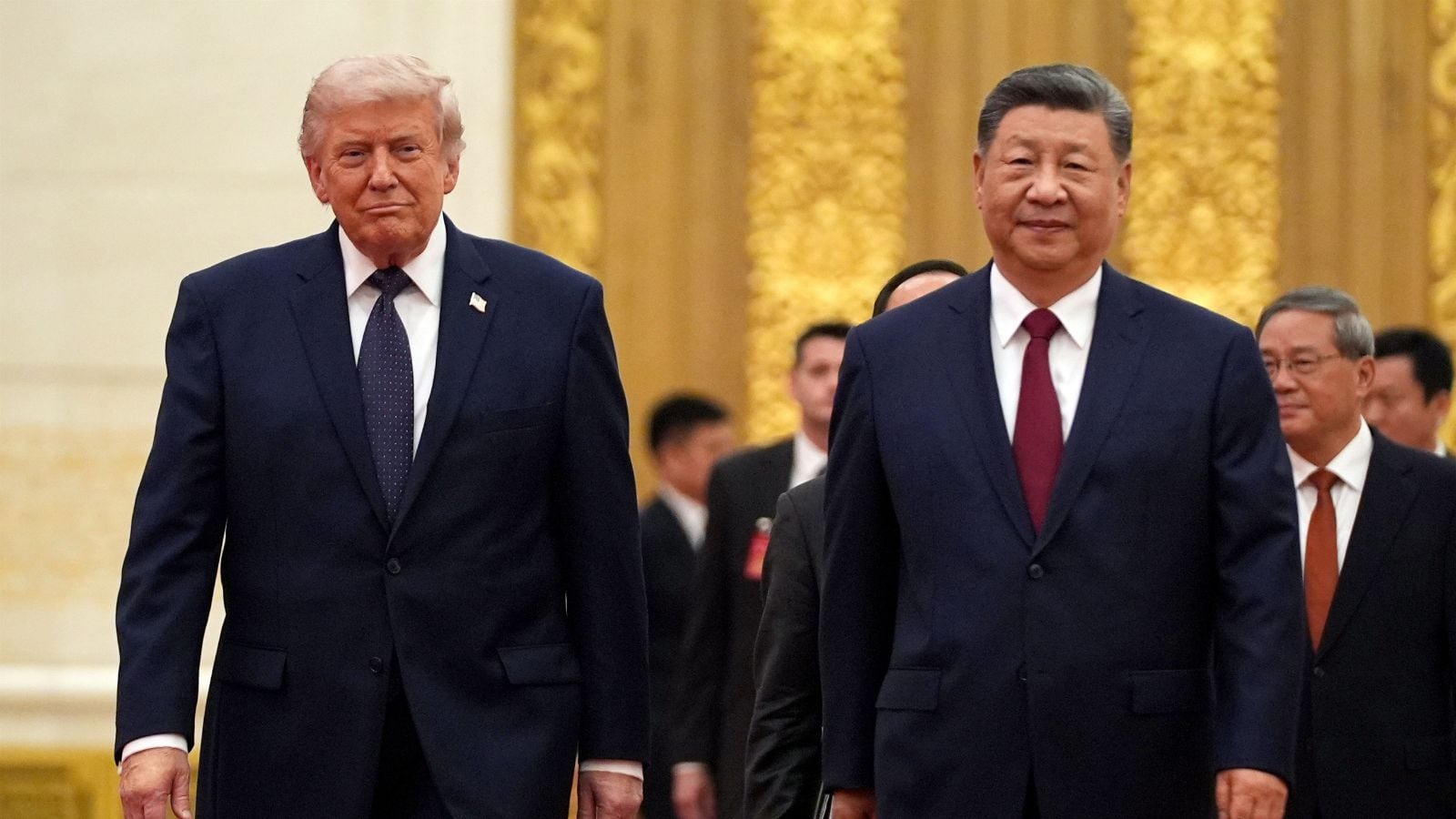
China has rolled out a sweeping suite of economic countermeasures against Washington, highlighted by strict, case-by-case export controls on unmanned aerial vehicles, key components, and dual-use technologies bound for the United States. This escalation follows aggressive regulatory moves from the Federal Communications Commission and the Department of Homeland Security, which recently targeted Chinese drone imports and blacklisted dozens of domestic firms over forced labor allegations. Beijing also slapped asset freezes and trade bans on six American entities, including Applied DNA Sciences and Human Rights in China. The tit-for-tat friction exposes a brittle truth about modern hardware development. No nation sits on an island of total self-reliance.
The Illusion of Separation in Hardware Design
For years, consumer and commercial tech sectors operated under a comfortable delusion. Companies assumed that shifting final assembly lines out of a specific jurisdiction meant clean separation from geopolitical risk. That logic died on the assembly floor.
Modern aerial robotics rely on an intricate web of sub-components. Motors, specialized microcontrollers, battery management systems, and high-density magnets require specialized processing capabilities that remain heavily concentrated inside Chinese industrial hubs. When Beijing mandates strict case-by-case reviews for drone technology exports to the United States, the impact extends far beyond finished quadcopters sitting in retail boxes.
Consider a hypothetical tier-two supplier based in the American Midwest that builds industrial-grade autonomous inspection platforms. This company sources its composite airframes locally and writes its flight control software in-house. On paper, it looks entirely domestic. Yet, if the specialized rare-earth magnets inside its brushless motors originate from Chinese smelters or rely on dual-use processing technology restricted by the new Ministry of Commerce directives, the production line grinds to a halt.
Regulatory bodies often misidentify the actual choke points. Banning finished imports through administrative fiat does not eliminate dependency. It merely forces frantic scrambling for alternative inputs that may not exist at scale.
Retaliation Beyond the Flight Deck
The scope of Beijing's recent response transcends aviation hardware. Alongside drone restrictions, the Ministry of Commerce suspended factory follow-up inspections conducted by designated American certification bodies for compulsory product safety standards. Furthermore, authorities launched national security investigations targeting imported office printing software and copying equipment.
This multi-vector approach targets administrative friction points that Western firms rarely account for in long-term risk assessments. By disrupting compliance testing networks and penalizing compliance-checking entities like Compliance Testing LLC, Beijing introduces bureaucratic paralysis.
- Hardware manufacturers face sudden compliance verification vacuums.
- Compliance audits previously managed by local U.S. testing firms must now navigate overseas third-party entities.
- Institutional compliance costs rise exponentially overnight.
These measures function as economic sand poured directly into the gears of transatlantic commerce. They signal that future trade retaliation will not rely solely on headline tariffs. Instead, friction will be applied across administrative, certification, and software supply chains.
The Cost of Structural Decoupling
Washington and Beijing are locked in a high-stakes cycle of technological containment. U.S. agencies continue tightening import bans on foreign-made advanced robotics, power inverters, and communications hardware under broad national security justifications. In response, Beijing utilizes its near-monopoly on critical raw material refinement and dual-use component manufacturing to impose direct costs on American entities.
The collateral damage falls squarely on commercial industries trying to build reliable hardware in an era of fractured globalization. Innovation cycles depend on predictable component costs and steady access to foundational inputs. When regulatory barriers pop up on both sides of the Pacific with little warning, long-term capital planning becomes an exercise in guesswork.
Efforts to reshore or friend-shore critical supply chains face massive headwinds. Building domestic ecosystems for advanced electronics requires years of capital investment, environmental permitting, and specialized workforce development. Until those alternative manufacturing bases achieve true maturity, sudden export controls will continue to expose the deep vulnerabilities embedded in global technology infrastructure.
The current diplomatic friction precedes high-level international meetings scheduled for the coming weeks, yet neither capital shows an appetite for structural compromise. Trade policy has become a permanent arena of economic statecraft, and the hardware supply chain remains its primary casualty.