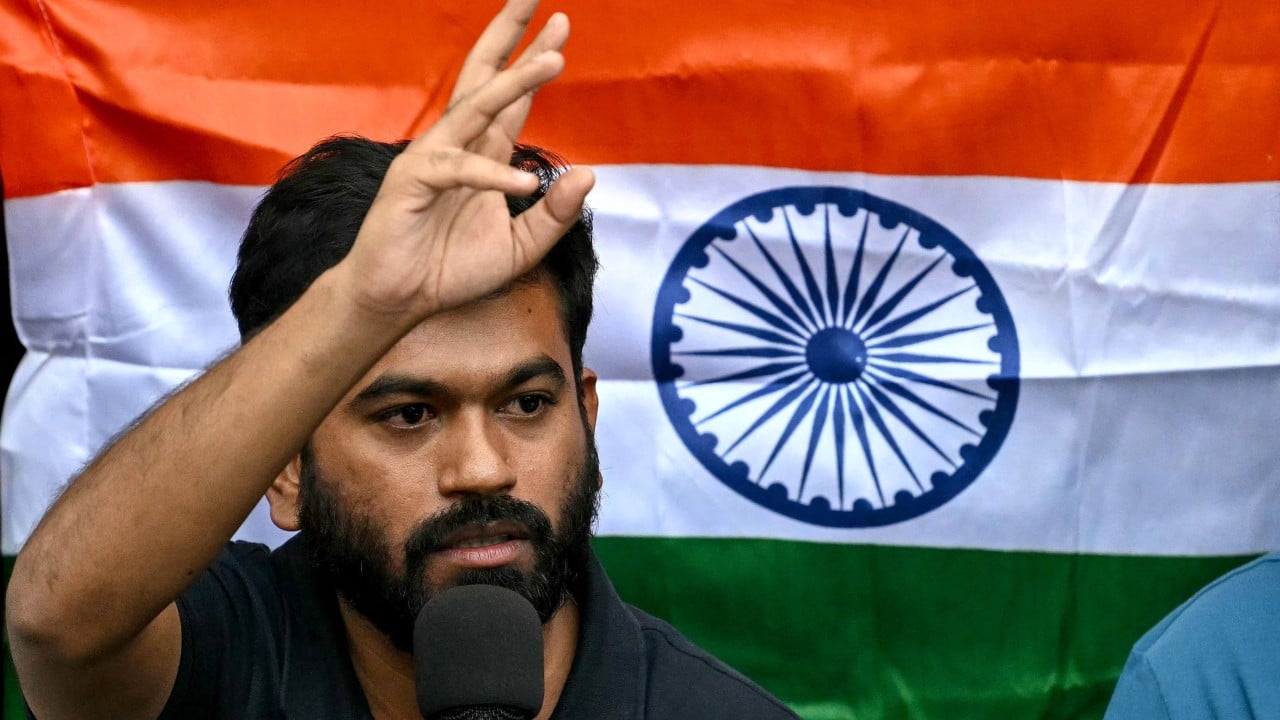
Delhi Police detained Abhijeet Dipke, founder and national convenor of the Cockroach Janta Party (CJP), ahead of planned demonstrations in central New Delhi in mid-October 2026, along with student figurehead Neha Bora, following the jailing of co-conveners Saurav Das and Ashutosh Ranka over a ban on the capital's historic Jantar Mantar protest site. What began in May 2026 as a viral satirical retort to a Supreme Court remark has turned into one of Prime Minister Narendra Modi's sharpest youth-driven political headaches. Yet treating these detentions as routine crowd control misses the deeper structural clash over electoral roll deletions, policing jurisdiction, and street politics in India.
Satire rarely survives contact with tear gas and preventive custody. Most coverage treats the detention of Abhijeet Dipke as a single dramatic flashpoint before a rally. After two decades covering South Asian politics, I have seen plenty of movements fizzle once cameras move away from barricades. This one has kept mutating, shifting from exam paper leaks in mid-2026 to fierce opposition against the Election Commission's Special Intensive Revision (SIR) of voter rolls by October.
How a Courtroom Insult Became a Street Machine
The movement started with an offhand barb. On May 15, 2026, Chief Justice of India Surya Kant drew fierce criticism during a Supreme Court hearing for comparing certain unemployed youth and social media activists to "cockroaches," a remark he later said had been misconstrued. Dipke, a former Aam Aadmi Party media worker and communications adviser to the Delhi education department who had spent time studying in the United States, posted a question on X the next day asking what would happen if all cockroaches came together.
That single question hit a nerve. Millions of young Indians dealing with joblessness, inflation, and leaked entrance exams turned an insult into a badge of survival. Within days, the Cockroach Janta Party had hundreds of thousands of online sign-ups and massive social media reach.
- Satirical entry rules: Early membership pitches joked about unemployment, physical laziness, and chronic time spent online, stripping away the stiff hierarchy of traditional Indian parties.
- Rapid issue expansion: What started around education reforms and examination leaks soon pulled in anti-corruption pledges, media accountability demands, and pushback against voter roll revisions.
- Street escalation: By June and July 2026, protests at Jantar Mantar and clashes near Parliament helped build pressure that preceded Education Minister Dharmendra Pradhan's resignation on July 25.
A joke on a screen does not automatically hold a crowd in forty-degree heat. Dipke and his allies built an organizational skeleton—complete with co-conveners, legal aid outreach, and hunger-strike solidarity—that kept the cockroach movement visible long after the initial memes faded.
The Real Fight Behind the October Detentions
By October 2026, the stakes had shifted from exam halls to the ballot box itself. Protesters and opposition figures demanded the resignation of Chief Election Commissioner Gyanesh Kumar over the Special Intensive Revision (SIR) exercise, which critics alleged had stripped roughly 130 million names from electoral rolls. Election officials denied political bias and stated that the exercise aimed to remove duplicate and deceased voters while allowing eligible citizens to re-enrol.
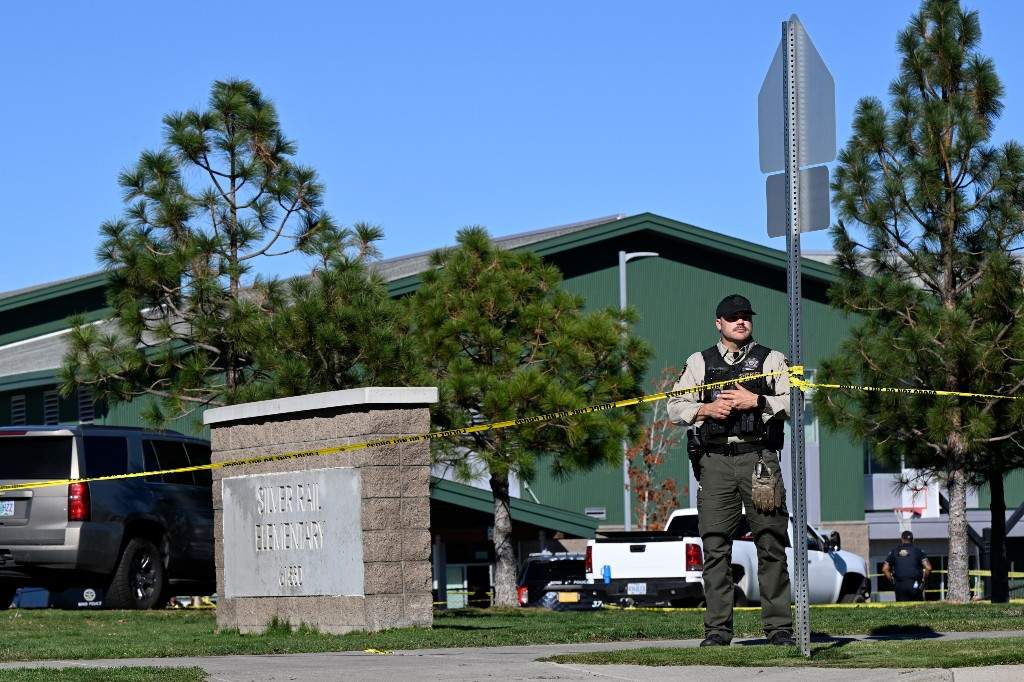
When authorities clamped down ahead of October demonstrations—detaining large numbers in Delhi and Mumbai, cutting mobile data in parts of central Delhi, and removing Jantar Mantar from permitted protest locations—the policing mechanics mattered just as much as the slogans. Unlike state police forces that report to elected state governments, Delhi Police answer to the federal Home Ministry. That chain of command gives central authorities direct control over permits, barricades, and preventive detentions in the capital.
| Factor | Movement & Opposition View | Government & Election Authorities View |
|---|---|---|
| Voter roll revision | Accuse officials of mass disenfranchisement through 130 million deletions | Say clean-up removes duplicates and deceased entries; wrongful removals can re-enrol |
| Police action | Call detentions, site closures, and internet curbs heavy-handed intimidation | Maintain order, enforce protest restrictions, and prevent unrest |
| Protest motives | Frame campaign as citizen defense of constitutional and voting rights | Accuse opposition and agitators of political opportunism and anarchy |
There is a messy gray area here that neither side likes to admit. Street movements born in viral outrage often struggle once they collide with established parties and legalistic courts. In mid-October, Saurav Das and Ashutosh Ranka were jailed over violating restrictions at Jantar Mantar before a court later ordered their release on bonds and undertakings, while Dipke and Neha Bora faced detention around central Delhi rallies. Detaining ringleaders can stop a march at Connaught Place, yet it also hands a decentralized network ready-made martyrs and daily headlines.
Why Official Pushback Cuts Both Ways
Government leaders and Bharatiya Janata Party (BJP) spokespeople have dismissed the agitation as opposition-backed disruption and "anarchy," while RSS figures have argued that genuine student concerns were pulled into organized left-wing politics. Having watched dozens of street campaigns across South Asia, I see a familiar trap for rulers. Heavy security stops crowds at the perimeter, yet sweeping arrests and closed protest squares make a satirical cockroach movement look less like a joke and more like a civil liberties test.
At the same time, the Cockroach Janta Party faces its own credibility test. Unregistered with the Election Commission and tangled in trademark disputes over its name, it has leaned on satire, hunger strikes, and cross-party protest solidarity without proving it can turn viral anger into lasting policy or ballot-box discipline.
Keep watching the courtrooms, municipal roll appeals, and state-level marches rather than just the police vans outside Jantar Mantar. A movement built on being hard to squash only proves its durability if it survives administrative fatigue long after the barricades come down.