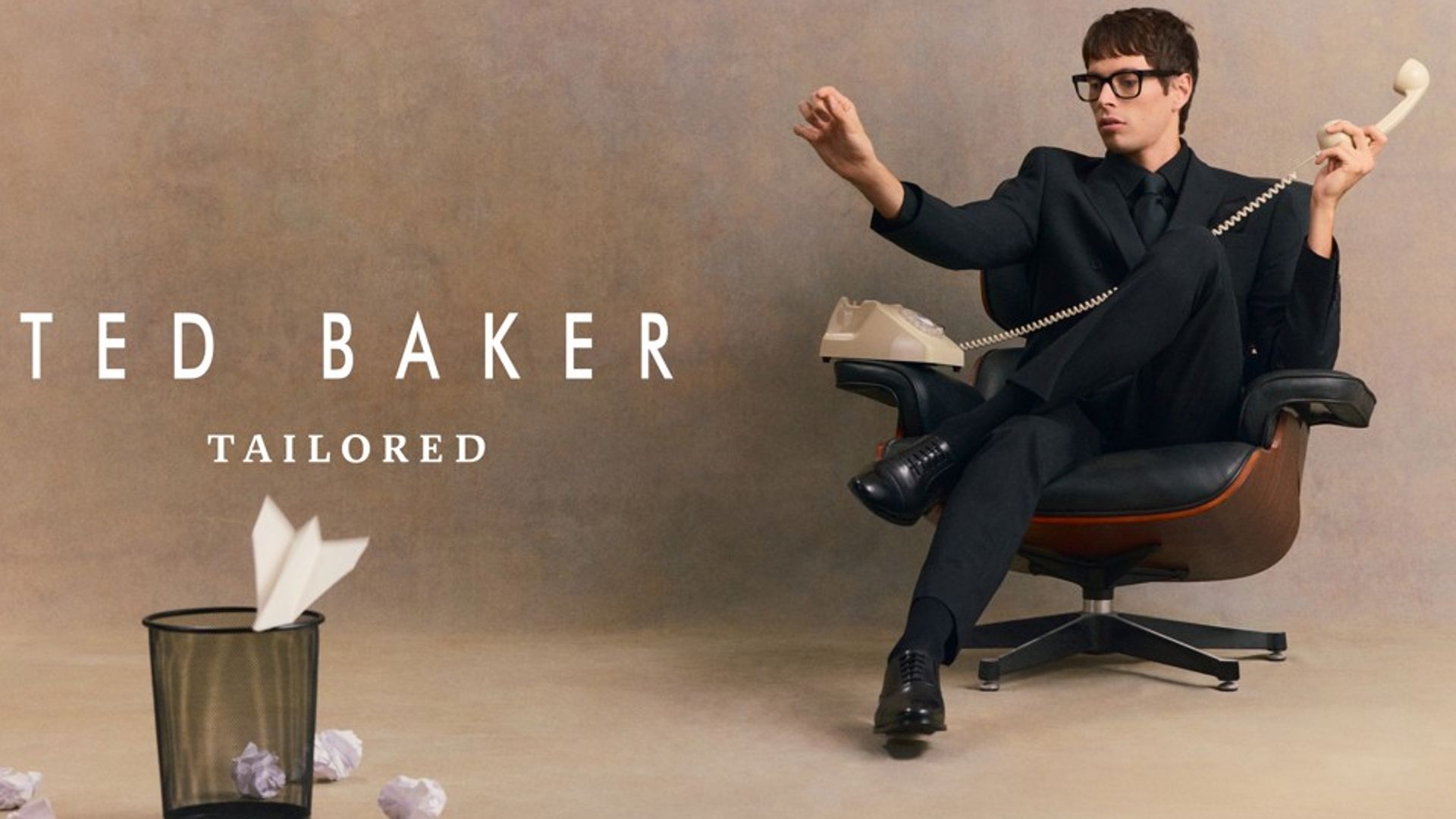
Ted Baker is officially returning to the British high street, staging a calculated retail resurrection two years after its entire network of forty-six stores collapsed into administration. The brand's owner, Authentic Brands Group, alongside licensing partners, has opened a dedicated concept location named Ted Baker Tailored on Fenchurch Street in London, marking a sharp pivot from pure e-commerce back to selective bricks-and-mortar operations. This physical comeback follows the catastrophic 2024 implosion of No Ordinary Designer Label, the operating arm that dragged the once-beloved British fashion institution into insolvency. Behind this revival lies a fundamental restructuring of how heritage apparel brands survive post-bankruptcy, moving away from expensive mass retail footprints toward asset-light licensing partnerships and high-margin tailoring flagships.
The Anatomy of a Corporate Meltdown
To understand why a physical return matters, one must examine the speed and severity of the 2024 collapse. Founded in Glasgow in 1988 by Ray Kelvin, Ted Baker grew from a single menswear shop into a global symbol of quirky British elegance. Known for vibrant prints, witty detailing, and distinctive branding anchored by the humble pigeon motif, the company scaled rapidly through the nineteen-nineties and two-thousands. It conquered department store concessions and premium shopping districts worldwide, cultivating an image of accessible luxury that bridged the gap between mass-market chains and high-end designer houses. For a closer look into this area, we recommend: this related article.
Yet, structural vulnerabilities accumulated long before the final insolvency filing. Rapid expansion saddled the business with heavy lease obligations across prime real estate properties. Profit warnings mounted following accounting errors discovered in twenty-nineteen, which overstated inventory values by millions of pounds. Then came the pandemic shockwaves, cratering foot traffic across urban retail centers just as consumer preferences shifted toward comfort wear and online discounting.
When Authentic Brands Group acquired Ted Baker in late twenty-twenty-two for approximately two hundred ten million pounds and subsequently delisted it from the London Stock Exchange, the plan was supposed to be a stabilization. Instead, day-to-day operations were handed over to Dutch operating partner AARC under a licensing agreement. That partnership fractured rapidly. Operational friction, unpaid supplier debts, and missed financial targets culminated in early twenty-twenty-four when No Ordinary Designer Label appointed Teneo as administrators. Overnight, all forty-six UK stores shut down, thousands of jobs vanished, and a staple of British high street culture was relegated to a digital-only ghost. To get more background on this issue, detailed analysis is available at MarketWatch.
The Intellectual Property Engine at Work
The mechanics of this current comeback reveal how modern fashion conglomerates operate behind the scenes. Authentic Brands Group does not design, manufacture, or ship garments in the traditional sense. It operates as an intellectual property machine, acquiring distressed global brands and licensing their names, logos, and trademarks out to specialized regional operators.
When the AARC partnership imploded, Authentic did not pack up and liquidate the brand's residual equity. Instead, they spent months untangling supply chain snarls and securing new operating partnerships. The recent high street footprint revival—including the Fenchurch Street menswear flagship and selective boutique concessions inside Selfridges locations in Manchester and Birmingham—is driven by new licensing alliances. Chief among these is a collaborative arrangement with Suit Direct and other apparel manufacturers who possess the specialized infrastructure required to manage physical retail without burdening the parent intellectual property holder with crushing real estate overhead.
This approach changes the risk profile entirely. In past decades, a fashion retailer absorbed the full financial blow of vacant high street stores during economic downturns. Under the current licensing model, operational risk is transferred downward to manufacturing and distribution partners, while the brand owner collects steady royalty percentages on wholesale and retail revenue. The consumer sees a triumphant return of a familiar storefront sign, but beneath the glass facade lies a completely different financial engine.
Rebuilding Without Replicating Past Mistakes
Returning to physical retail requires discipline, and the architects of this revival have explicitly avoided repeating the sins of the past. Opening hundreds of identical stores across secondary shopping centres proved fatal during the previous decade. High business rates, skyrocketing commercial rents, and shifting consumer habits made bloated retail estates unsustainable for mid-market apparel brands.
Instead of flooding suburban malls, the brand's current rollout relies on hyper-targeted, high-rent, high-prestige locations. Fenchurch Street in the heart of London's financial district targets corporate professionals seeking premium tailoring and occasionwear. Selfridges concessions capture high-intent foot traffic from luxury shoppers who already value curated merchandising over generic rack browsing. By stripping away womenswear categories that previously bloated inventory lines and refocusing tightly on menswear heritage, suiting, and seasonal capsule collections, the management team is testing market appetite with surgical precision.
This strategy acknowledges a hard truth about modern shopping habits. Consumers no longer visit high streets simply to browse; they visit for an experience or a specific purchase they cannot easily replicate online. The interior design of these new retail spaces deliberately moves away from traditional fluorescent-lit shop floors. Instead, they mimic private walk-in wardrobes, utilizing intimate lighting, tactile wood finishes, and localized visual campaigns to recreate emotional engagement with the brand.
The Broader High Street Reckoning
Ted Baker's return does not happen in a vacuum. It coincides with a broader, fragile recalibration of the British retail sector, where other legacy names are attempting similar re-entry strategies. Yet, the wider economic backdrop remains hostile. Inflationary pressures continue to squeeze discretionary spending, commercial property taxes remain stubbornly high, and digital-first competitors dominate customer acquisition channels.
A heritage label cannot survive on nostalgia alone. Younger consumers who abandoned the brand during its administrative collapse have moved on to fast-fashion competitors or direct-to-consumer digital labels. Winning them back demands absolute consistency in fabric quality, modern fit profiles, and transparent supply chain practices. Early customer reception at the new concept spaces suggests that initial curiosity is high, but long-term viability will depend on whether the product justifies price points that sit comfortably above mass-market alternatives.
The brand's survival ultimately hinges on maintaining strict inventory discipline. If licensing partners overproduce seasonal lines in an attempt to recreate peak nineteenth-century revenue numbers, discounting will inevitably follow, eroding the premium perception the company is trying so hard to rebuild.
The physical doors are open once more, and the distinctive pigeon emblem is visible again on British streets. But this chapter is not a restoration of the past. It is an exercise in corporate survival, proving that a brand name can outlive its corporate operating structure if the underlying equity is strong enough to attract new financial stewards willing to gamble on its enduring appeal.