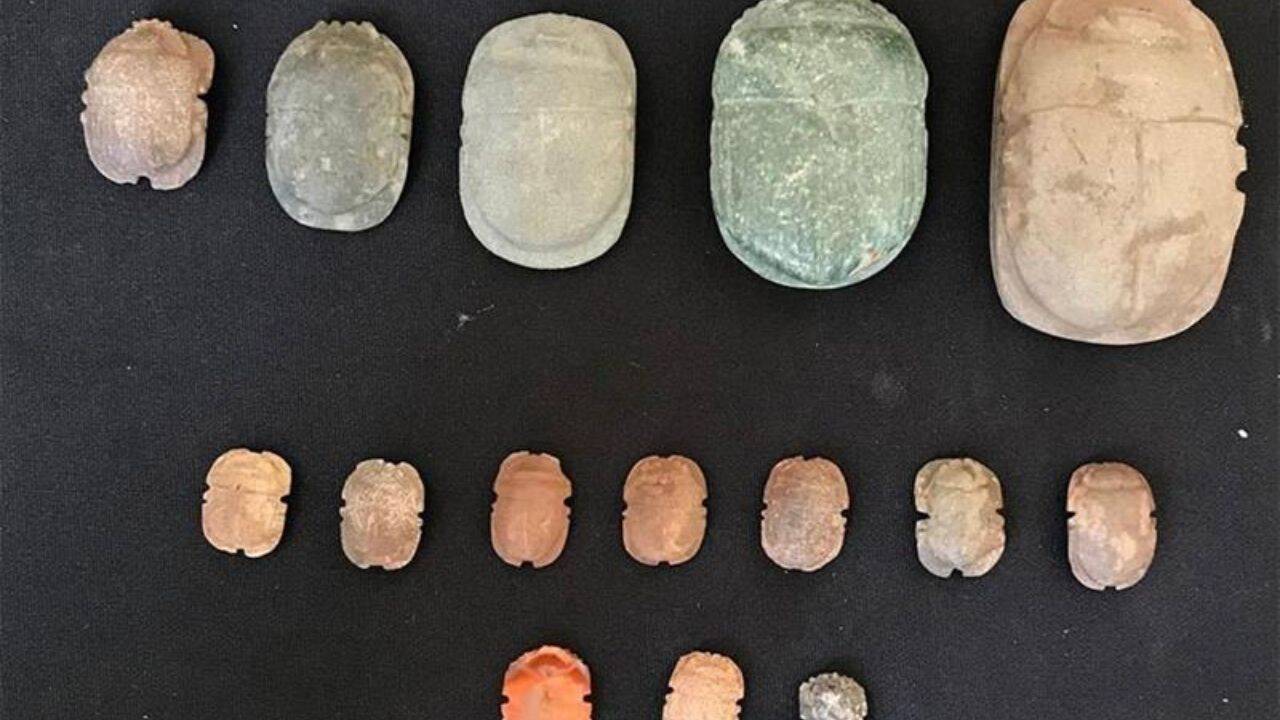
A buried chamber discovered in Upper Egypt yielded an astonishing cache of 560 finely crafted ushabti figurines, offering a rare glimpse into ancient funerary economies and elite mortuary practices that kept laborers bound to their masters even after death. Hidden for two millennia, this monumental find near Luxor shifted our understanding of how elite dynasties managed their spiritual workforces in the afterlife.
Archaeology is rarely a matter of sudden, cinematic gold rushes. Most breakthroughs arrive through decades of slow paperwork, bureaucratic frustration, and dirt under the fingernails. When the excavation team finally breached the limestone seal of this particular tomb, they anticipated another looted chamber stripped bare by antiquity thieves. Instead, they found row upon row of small, faience servant figures lined up with military precision.
The Economics of Eternal Labor
Ancient Egyptian religion demanded a vast support system for the deceased. According to canonical mortuary texts, the afterlife required physical toil just like the mortal world, including clearing irrigation canals, tending fields, and hauling grain. To escape this manual labor, elites relied on ushabtis. These small figures acted as magical stand-ins. When the gods called the deceased to work in the celestial fields, the ushabti was supposed to stand up, shout "Here I am," and take the hit.
Owning one ushabti was a standard precaution for the wealthy. Owning 560 of them meant commissioning a small army.
Production of these artifacts formed a massive domestic industry. Workshops in cities like Memphis and Thebes churned out thousands of items using molds, carving details by hand before firing them in kilns. The glaze chemistry alone required sophisticated pyrotechnology. Artisans mixed powdered quartz, copper, and alkali fluxes to achieve that iconic turquoise sheen that still catches the light after thousands of years underground.
The sheer volume of figurines discovered in this single tomb indicates staggering wealth. Every single ushabti represented an investment of raw materials, kiln fuel, and skilled artisan labor. Elite families did not merely buy objects. They purchased a permanent labor force designed to withstand eternity.
Deciphering the Hieroglyphs
Each of the 560 figurines bears an inscription known as the Ushabti Spell, typically drawn from Chapter Six of the Book of the Dead. This short text defined the figurine's purpose and assigned specific responsibilities to the ceramic worker.
The text acts as a magical contract. By writing the name of the deceased on the figure, the ancient Egyptians believed they bound the spirit of the artifact to the master.
Epigraphers on site spent weeks cataloging the texts. Variations in handwriting across the collection proved that multiple workshops contributed to the final order. Some figures were rushed, featuring sloppy brushwork and poorly aligned hieroglyphs. Others displayed masterclass craftsmanship, with sharp lines and deep carving that preserved minute details of wigs, hoes, and seed baskets.
This mix of quality reveals a frantic scramble to complete the funerary inventory. When a high-ranking official died unexpectedly, workshops raced against the clock to deliver the required number of servants before the burial date. Quantity clearly mattered more than artistic uniformity.
Preservation Challenges in the Modern Era
Unearthing a cache of this magnitude creates an immediate logistical nightmare for conservationists. Faience is notoriously unstable when exposed to fluctuating humidity. For two thousand years, these 560 figures rested in a microclimate of stable temperature and minimal moisture. Opening the tomb introduced fresh air, temperature shifts, and airborne microbes that could destroy delicate glazes within days.
Field conservators had to move quickly. Every single figurine required gentle brushing, chemical stabilization, and careful logging before transport to a climate-controlled museum warehouse.
The excavation site itself now faces heavy security threats. Antiquities smuggling remains a lucrative underground trade. Looters constantly probe the desert edges around Luxor, hoping to intercept similar caches before government inspectors secure the perimeter. Protecting these discoveries requires constant surveillance, local community engagement, and rapid extraction protocols.
Rethinking Elite Burial Culture
For decades, mainstream Egyptology focused heavily on royal burials like Tutankhamun. Tombs belonging to mid-level bureaucrats and provincial governors often received secondary attention. This find flips that narrative. It proves that regional elites lived and died with immense purchasing power, mirroring royal opulence on a localized scale.
The presence of 560 workers suggests an anxiety about the afterlife that money alone could not cure. The wealthy elite did not trust the gods to provide. They manufactured their own insurance policy out of glazed clay and blue pigment, stacking the deck in their favor one figurine at a time.
History is written by the victors, but in Egypt, it was built by the laborers—both real and ceramic.


